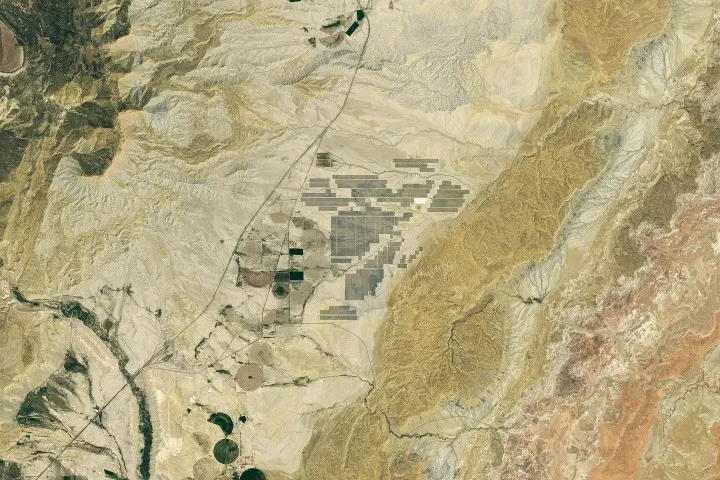
Once upon a time, Central Utah's Castle Valley was all about coal. Black gold, dirty hands, the whole nine yards. But come June 2026, a new sheriff rolled into town, and it was decidedly... sunny. We're talking about a massive solar power and battery storage plant that just flipped the switch, roughly 130 miles southeast of Salt Lake City.
The Green River Energy Center
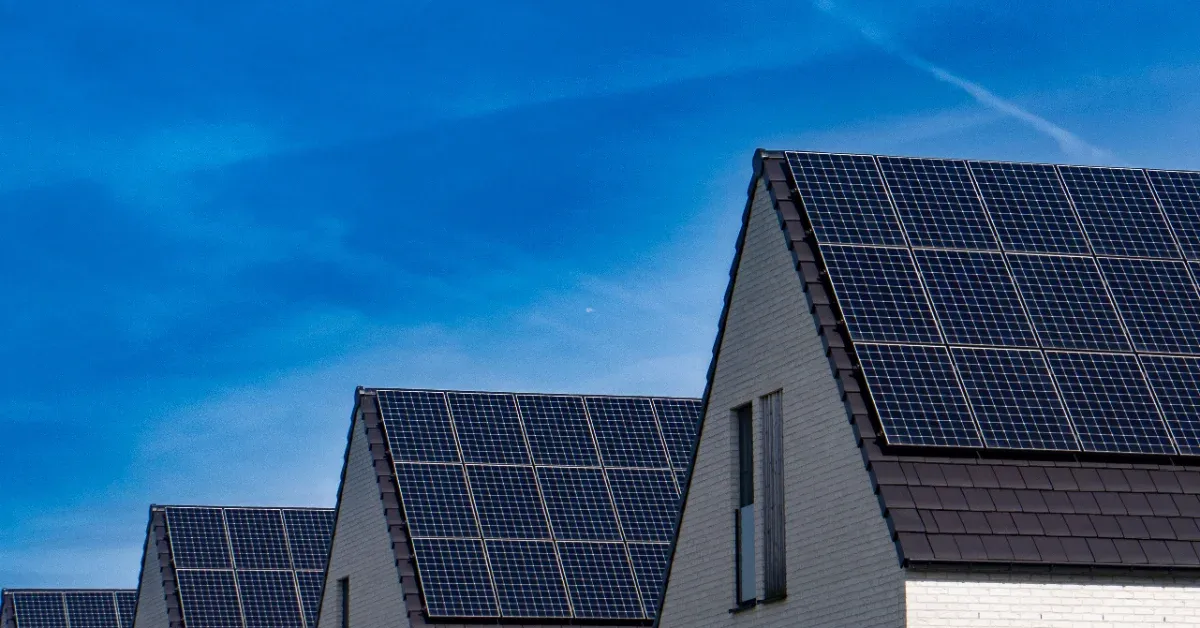
This isn't just a few panels on a roof. The Green River Energy Center boasts nearly one million solar panels and about 500 colossal batteries. It sprawls across several square miles of what was once just, well, land. The plant can churn out 400 megawatts of solar power and, crucially, store another 400 megawatts in its batteries. Because the sun, as reliable as it is, does have a habit of clocking out at night.
This makes it one of the largest solar-plus-storage projects to plug into the U.S. grid in 2026. It's slated to power Salt Lake City and other parts of Utah, with enough juice for over 100,000 homes. And here's a neat trick: it's using the exact same transmission lines that once carried power from the area's coal-fired plants. A rather elegant hand-off, if you ask us.
We're a new kind of news feed.
Regular news is designed to drain you. We're a non-profit built to restore you. Every story we publish is scored for impact, progress, and hope.
Start Your News DetoxUtah's Unexpected Glow-Up
Utah has historically been powered by coal. A lot of coal. Back in 2015, about 75% of the state's electricity came from the stuff. Fast forward a decade to 2025, and that number has dropped to roughly half. Meanwhile, solar power has gone from an almost non-existent flicker to a significant 14% of the state's electricity generation. From nearly zero to 14% in ten years. Let that satisfying number sink in.
Turns out, satellites are pretty good at spotting prime real estate for solar farms. NASA data helps planners figure out where to put these things and how well they're performing. Which, if you think about it, is both impressive and slightly terrifying for anyone still clinging to the idea that coal is the future. Castle Valley's energy history continues, just with a much, much brighter outlook.