Bengaluru during monsoon season often looks less like a tech hub and more like a city auditioning for Waterworld. Roads become rivers, cars become submarines, and residents perfect the art of wading through what can only be described as a very public, very muddy swimming pool.
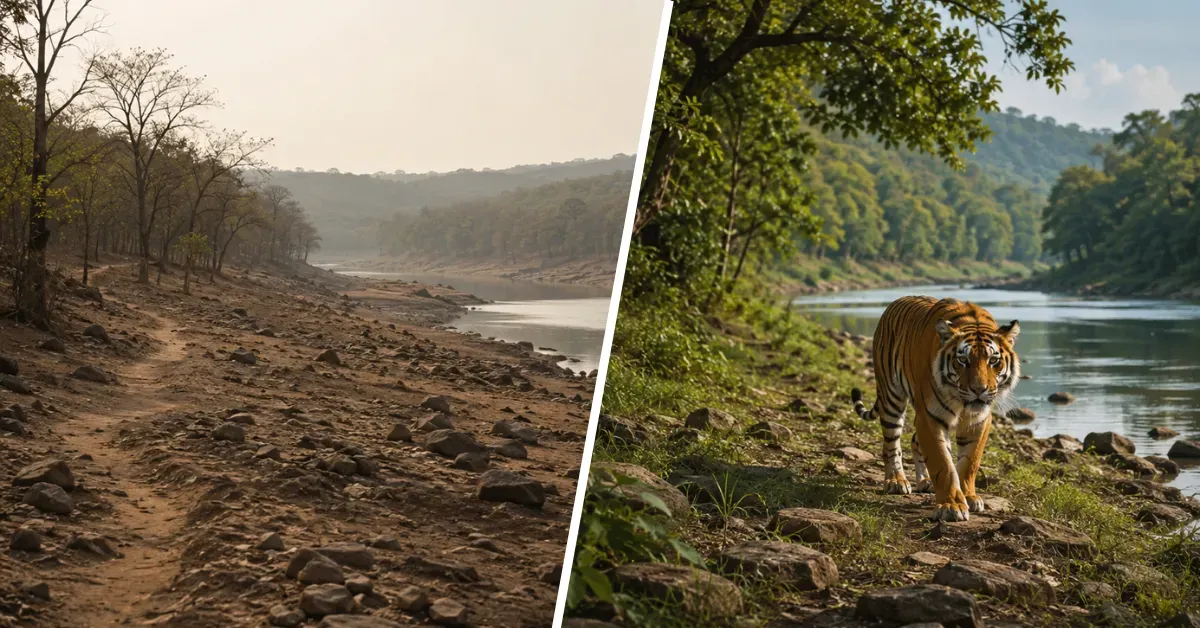
But Captain Santhosh Kumar, an ex-Army officer with a knack for observation, noticed something peculiar: while the streets were performing their best impression of Venice, the city's numerous lakes remained stubbornly, almost ironically, dry. It wasn't too much rain, he concluded. It was something far more... blocked.
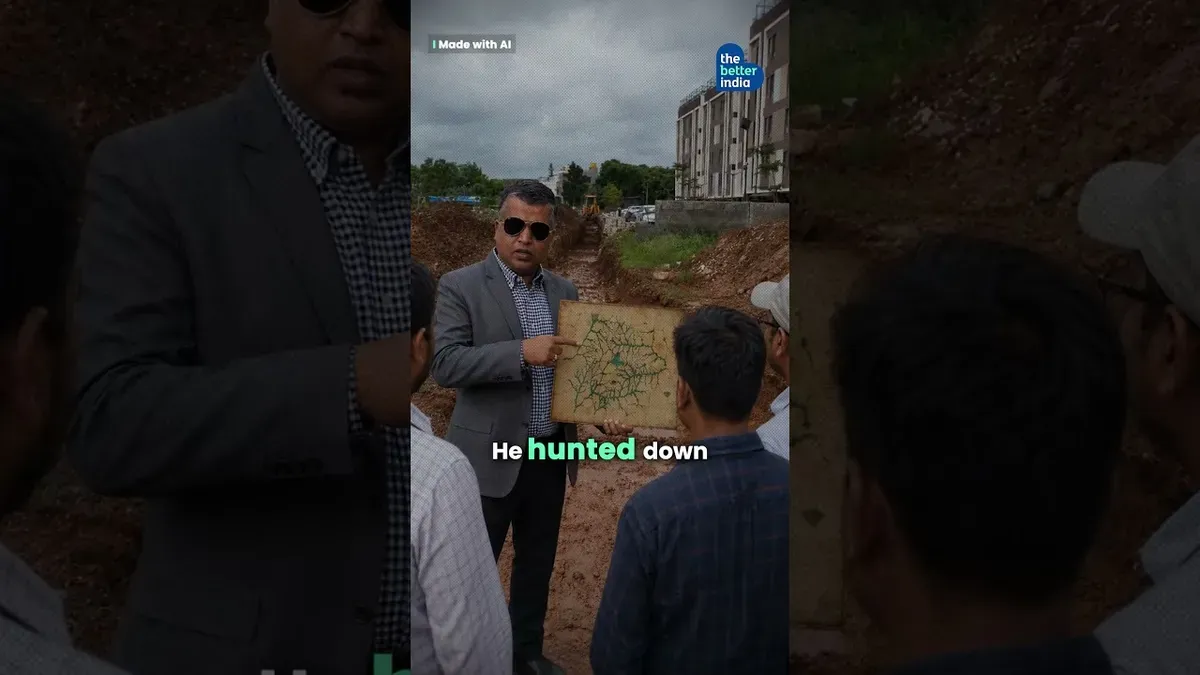
Turns out, Bengaluru had a perfectly good, British-era drainage system designed to handle monsoon downpours. The only catch? Over a century, much of it had been built over, buried, or simply forgotten, like a grandparent's best advice. Kumar, armed with maps from 1923 that probably smelled faintly of tea and empire, embarked on a mission.
We're a new kind of news feed.
Regular news is designed to drain you. We're a non-profit built to restore you. Every story we publish is scored for impact, progress, and hope.
Start Your News DetoxHe meticulously traced these ancient drainage channels, identifying exactly where modern Bengaluru had decided to plonk down a building or a road. His detective work led to the rediscovery of a whopping 4-kilometer-long buried waterway. Four kilometers! Just sitting there, waiting to be useful again.
The payoff was immediate and rather satisfying. During the next torrential downpour, Kumar's neighborhood remained bone-dry. Meanwhile, areas just a stone's throw away were still battling the impromptu urban rapids. Let that satisfying contrast sink in.
Since then, Kumar's efforts have not only helped restore crucial natural drainage but also breathed new life into 14 ancient lakes. It's a rather elegant reminder that sometimes, the most innovative solutions aren't new at all. They're just old ones we collectively misplaced, perhaps under a particularly ambitious shopping mall.