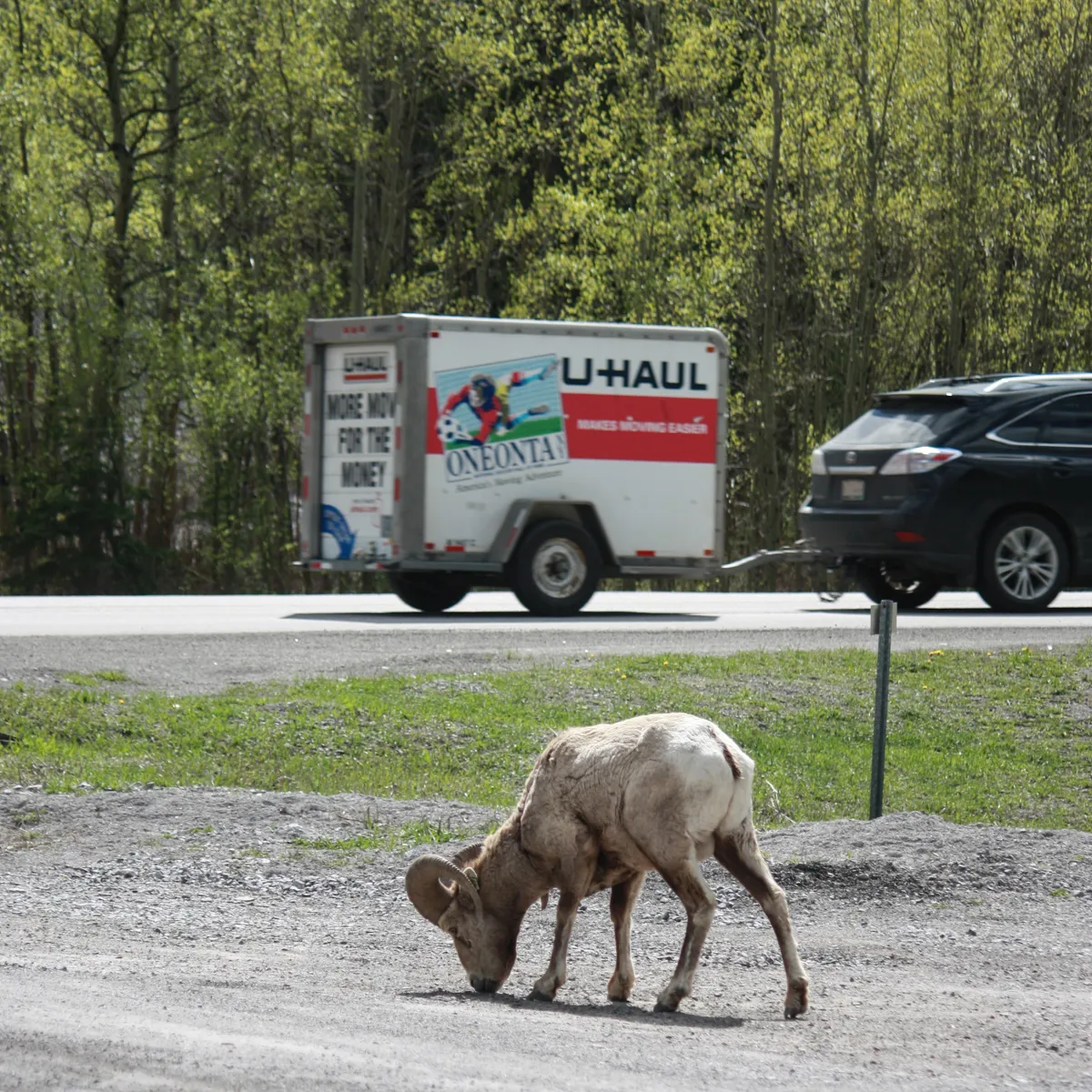
Kent Kebe, Radium, British Columbia's protective service manager, recently had to do something nobody wants to do: remove a bighorn sheep carcass from Highway 93/95. A car collision, he confirmed, was the culprit. For Radium, this isn't just an unfortunate incident; it's a recurring, heartbreaking problem.
This isn't some generic wildlife. These are their sheep. The village center boasts a massive steel sculpture of sheep horns. The local Big Horn Cafe serves "Headbanger tea" and features ram artwork. The community's affection is clear, which makes the highway's body count even more tragic.

Back in the 90s, around 350 bighorn sheep roamed near the golf course and highway, finding what Kebe charmingly called "a candy store" in the roadside grasses. Fast forward to 2022, and that herd had plummeted to 140. Vehicle collisions, alongside natural causes, were taking a significant toll.
We're a new kind of news feed.
Regular news is designed to drain you. We're a non-profit built to restore you. Every story we publish is scored for impact, progress, and hope.
Start Your News DetoxWildlife scientist Clayton Lamb, who works with Biodiversity Pathways and the University of British Columbia, summed up the grim irony perfectly: "The sheep are the mascots of the village, but the traffic is killing them." He helped bring this issue into the spotlight in 2022, reminding everyone that while the sheep are beloved, the danger they face is very real.
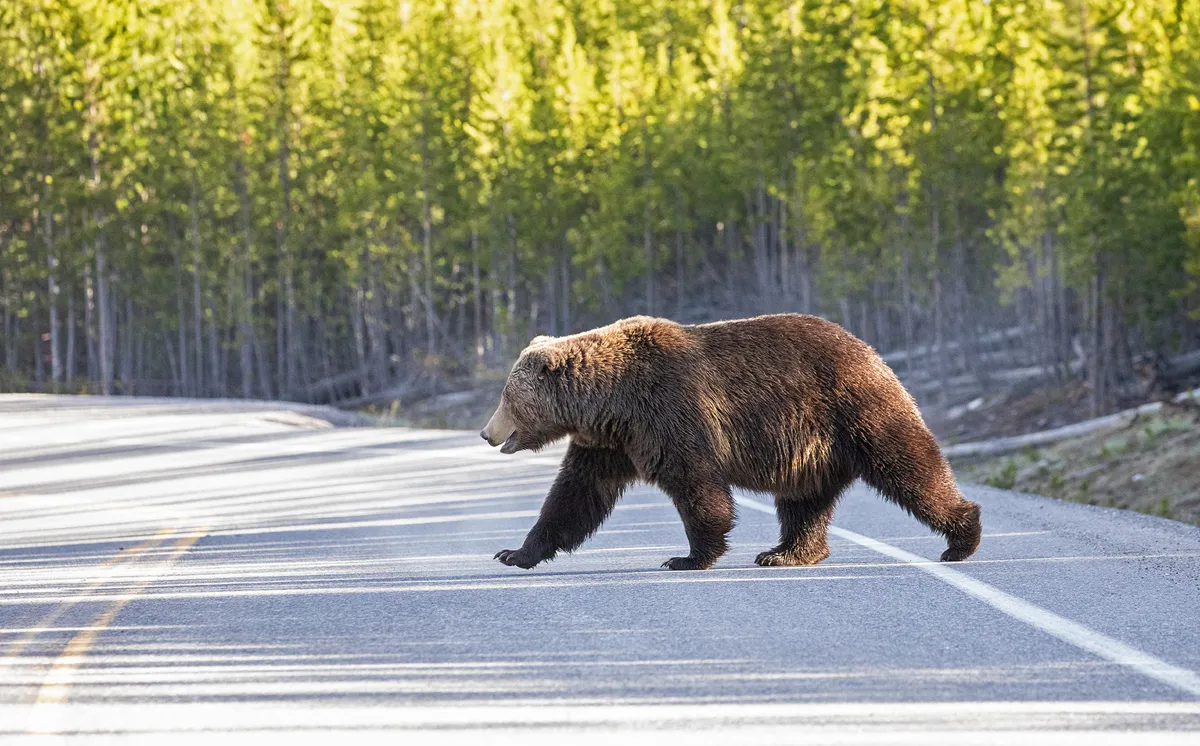
Highways, railways, and expanding towns aren't just eating up habitats; they're creating impassable barriers. This fragmentation stops animals from doing basic animal things like finding food, mates, and other members of their species. Which, if you're a bighorn sheep trying to live your best ram life, can quickly become an existential crisis. A 2025 review in Science even underscored just how dire these issues are globally. Because apparently, even mascots aren't safe from our infrastructure.