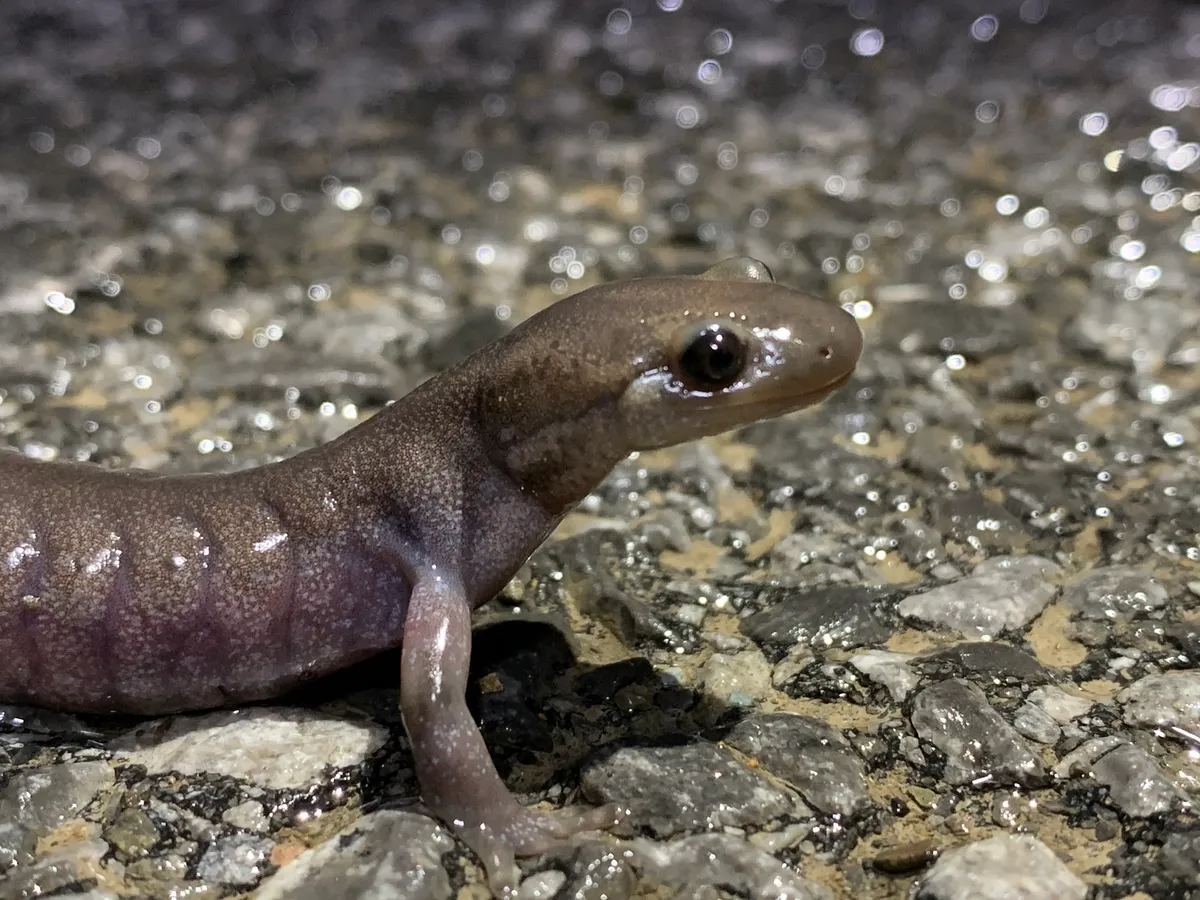
On a mild March night in Keene, New Hampshire, a dedicated "salamander brigade" is out in force. Flashlights bob through the rain, illuminating volunteers on a dark street, all marshaling an army of amphibians. These creatures are on the move, migrating from their cozy winter forests to their preferred breeding wetlands.
Their journey, however, involves a perilous crossing: North Lincoln Street, a two-lane road. Because apparently, even salamanders can't avoid rush hour. Each spring, a parade of wood frogs, spring peepers, red-backed salamanders, and the aptly named spotted salamanders must brave the asphalt to reach their ancestral mating grounds.
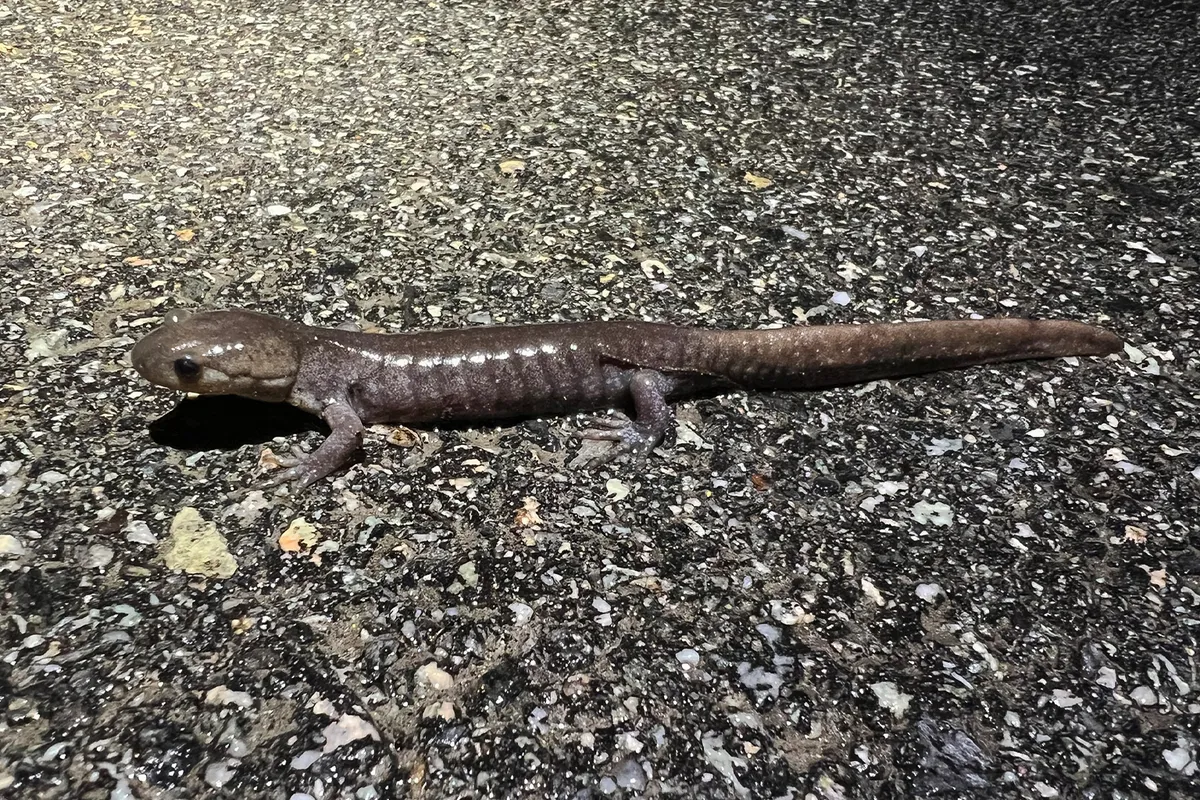
Currently, this particular road in Keene gets closed to cars on peak amphibian migration nights. At other less-celebrated crossing sites, volunteers become impromptu amphibian chauffeurs, gently ferrying the slow-moving critters across the danger zone by hand. It's a noble effort, but it relies heavily on the availability and stamina of very patient humans.
We're a new kind of news feed.
Regular news is designed to drain you. We're a non-profit built to restore you. Every story we publish is scored for impact, progress, and hope.
Start Your News DetoxBrett Amy Thelen, the science director for the Harris Center for Conservation Education, has been organizing these Herculean tasks. Her long-standing hope: "crossing brigades are the first step, not the last step." Now, that hope is finally slithering into reality. Thelen and her team are part of a groundbreaking new project to construct dedicated, tiny tunnels designed exclusively for the city's wet and wild residents. Because apparently that's where we are now: tiny underground freeways for frogs. Which, if you think about it, is both impressive and slightly terrifying.