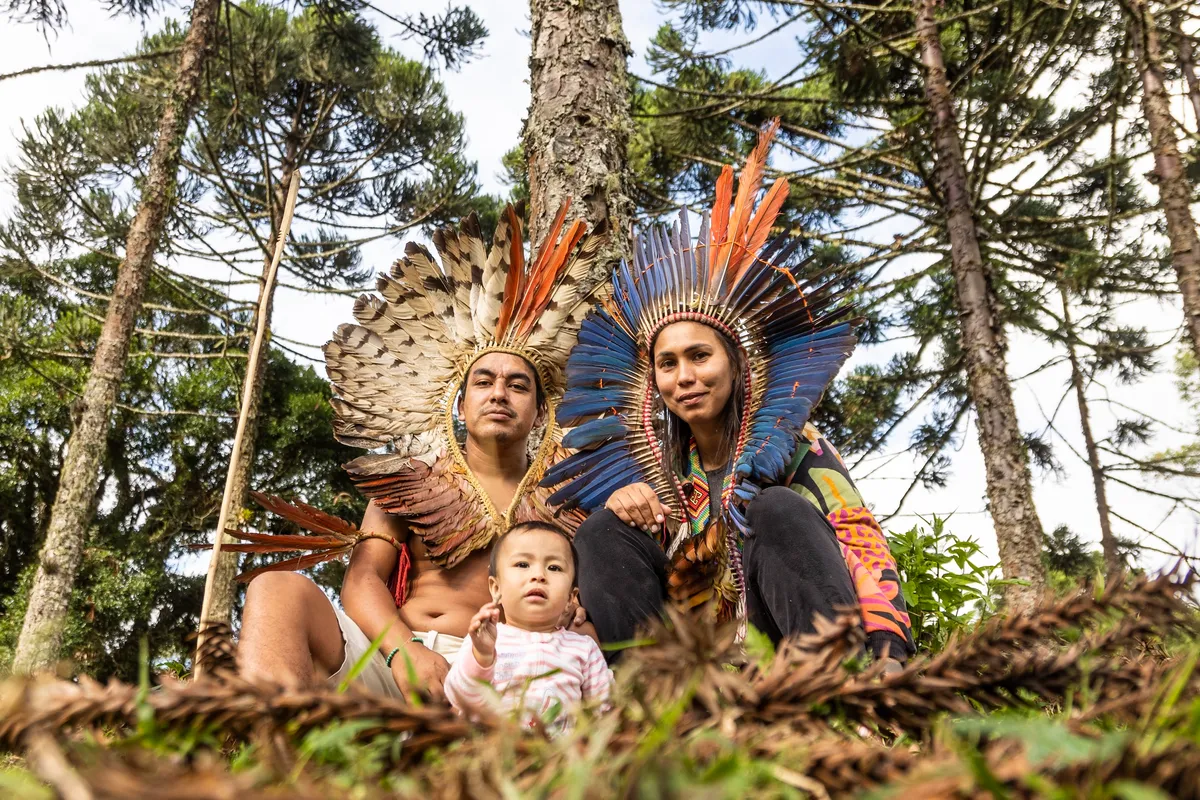
For the Xokleng people of Brazil, the Brazilian pine isn't just a tree; it's a sacred elder, a provider, and a cornerstone of their very identity. They call it "Zág," and it's been quietly doing its thing in the Atlantic Forest for roughly 200 million years. That's right, it was here before your ancestors even considered climbing down from whatever they were climbing.
Each female Zág tree is a marvel of efficiency, producing cones packed with hundreds of seeds. These seeds, known as pinhão, are a culinary delight and vital food source for at least 22 animal species. And, of course, for humans. People gather them for nutrition, sell them for income, and probably argue over the best way to roast them.
More Than Just Lumber
But for Indigenous groups like the Xokleng, who call Santa Catarina state home, the Zág is far more than just food or timber. It's woven into their origin stories, their history, and their understanding of the world. Some Xokleng children are even named after the tree, which, if you think about it, is a pretty strong endorsement.
We're a new kind of news feed.
Regular news is designed to drain you. We're a non-profit built to restore you. Every story we publish is scored for impact, progress, and hope.
Start Your News DetoxCarl Gakran, executive director of the Zág Institute, explains it simply: you can't tell the Xokleng story without the Zág. Their creation myth describes a protective animal born from the pine itself, making it a foundational character in their narrative. It's not just a plant; it's family.
Then came the gut punch. In 2016, Carl learned that this ancient, sacred tree was critically endangered. Deforestation, urban sprawl, and logging had done what 200 million years of evolution couldn't: push the Zág to the brink.
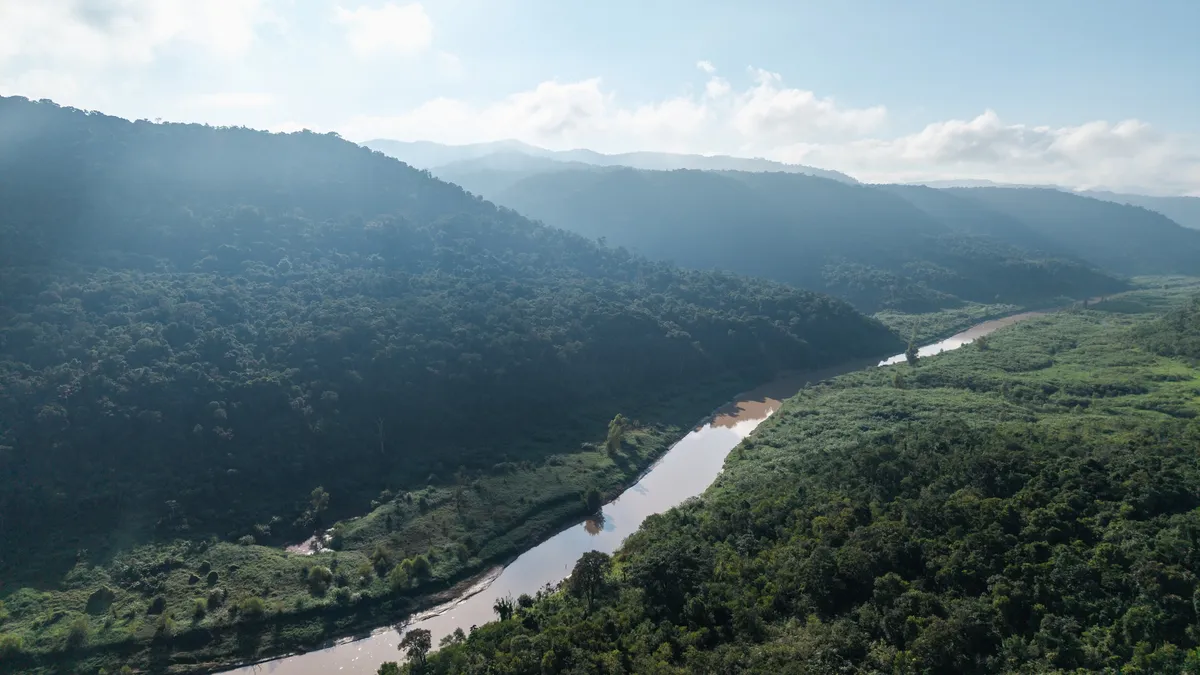
Today, less than 3% of the original Brazilian pine forests remain. They once blanketed vast swathes of Paraná, Santa Catarina, and Rio Grande do Sul states. Now, saving the Zág isn't just an environmental effort; it's a fight to preserve a living culture, a history that literally grew from the ground up. Because apparently, that's where we are now: fighting to save trees that are older than dinosaurs.