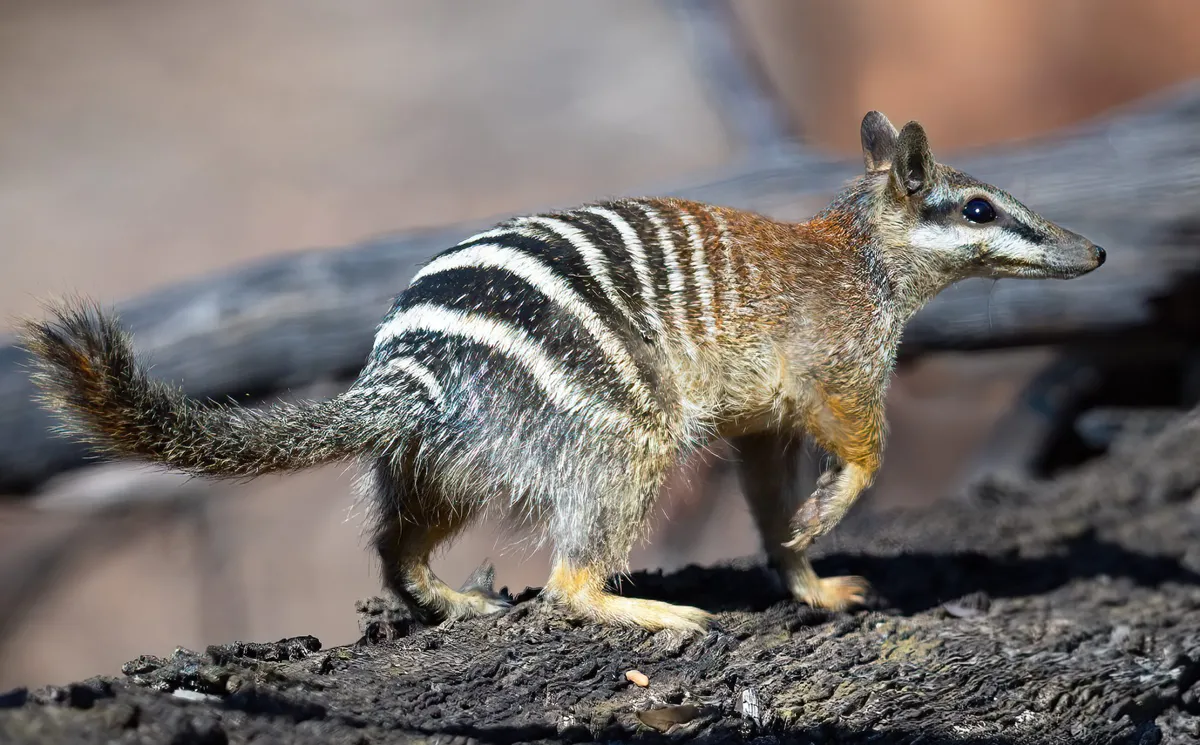
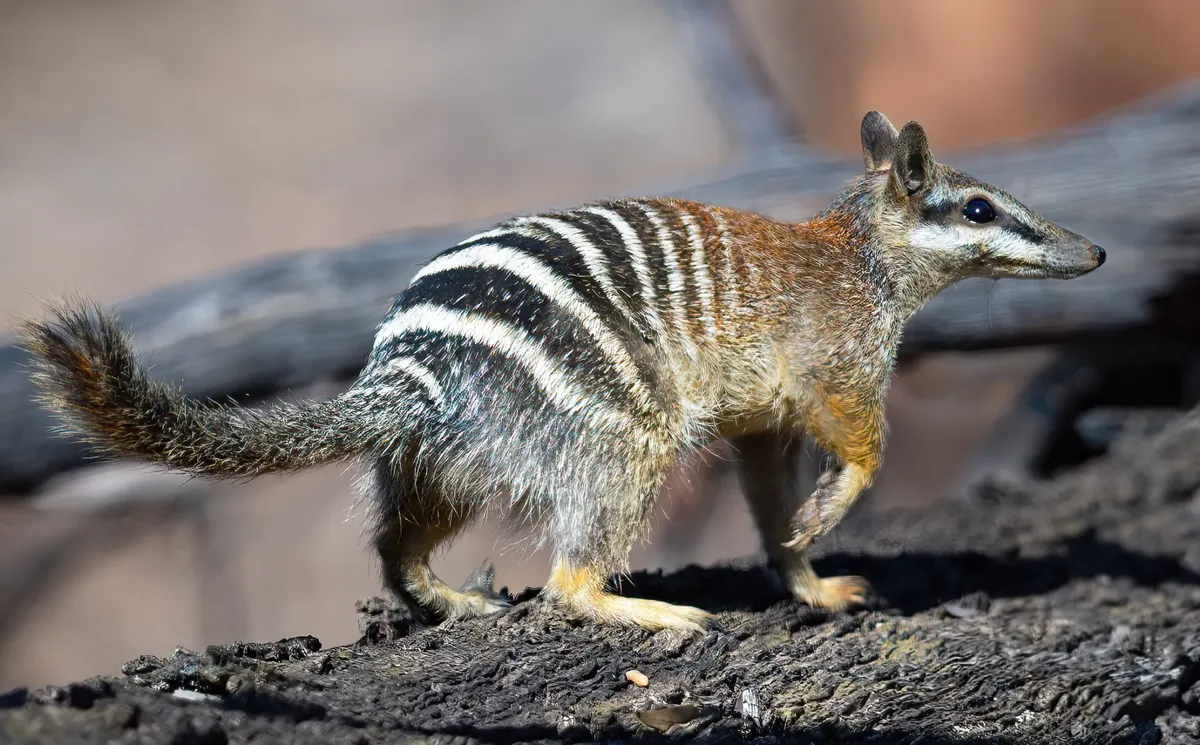
Picture this: a tiny, striped marsupial with a ridiculously long tongue, happily munching termites. That's the numbat, a creature so uniquely Australian it practically sweats eucalyptus. Not long ago, this adorable oddball was staring down the barrel of extinction, its numbers dwindling to a mere 300. Now? Its population has exploded tenfold, and it's officially off the endangered list. Because sometimes, the good guys win.
For decades, the numbat's biggest problems weren't natural predators, but the kind introduced by humans: red foxes and feral cats, which apparently decided Australia was their personal buffet. Add in some habitat destruction and inconvenient wildfires, and the numbat's future looked grim. Enter Tony Friend, a research associate with the Western Australian Department of Biodiversity, Conservation and Attractions, who probably hasn't stopped smiling since the news broke.
How a Tiny Marsupial Fought Back
The conservation effort, spanning over 40 years, started with a simple, albeit slightly aggressive, plan: get rid of the foxes and cats. Wildlife teams deployed baiting and culling programs, which, let's be honest, sounds a bit like an old Western showdown. But it worked. "Spectacular increases," Friend called them. One original numbat population, once on the brink, now boasts up to 2,000 individuals. Turns out, when you remove the things actively trying to eat you, life gets a lot better.
We're a new kind of news feed.
Regular news is designed to drain you. We're a non-profit built to restore you. Every story we publish is scored for impact, progress, and hope.
Start Your News DetoxThey didn't stop there. Conservationists built predator-proof fences – essentially numbat fortresses – and relocated both wild and zoo-bred numbats into these safe zones. Now, instead of one fragile group, there are five thriving populations spread across southern Australia. The oldest of these new colonies has been going strong for over 30 years, proving that a little peace and quiet (and no foxes) goes a long way. The total count now sits somewhere between 2,000 and 3,000 numbats. Let that satisfying number sink in.
Of course, the fight isn't over. Friend cautions that predator control is a never-ending battle. Stop for a second, and those pesky foxes and cats will be back for their revenge tour. But for now, Australia has pulled off a conservation miracle, saving a creature that looks like it walked straight out of a children's book. Which, if you think about it, is both impressive and slightly terrifying for the foxes.