Ever wish your car could just tell you what's wrong, instead of making you guess what that ominous dashboard light means? Well, Austrian researchers are making that a reality for electric vehicles, at least when it comes to batteries. They've cooked up a new battery management system (BMS) that can spot hidden damage and track aging inside EV batteries, in real-time. Because apparently, just checking the voltage wasn't cutting it anymore.
This isn't just about making your EV last longer (though it absolutely should). We're talking about making them safer, more efficient, and preventing those little dings from turning into big, expensive headaches. It’s a bit like giving your battery its own internal physician, ready to flag issues before they become emergencies.
The Battery Whisperer
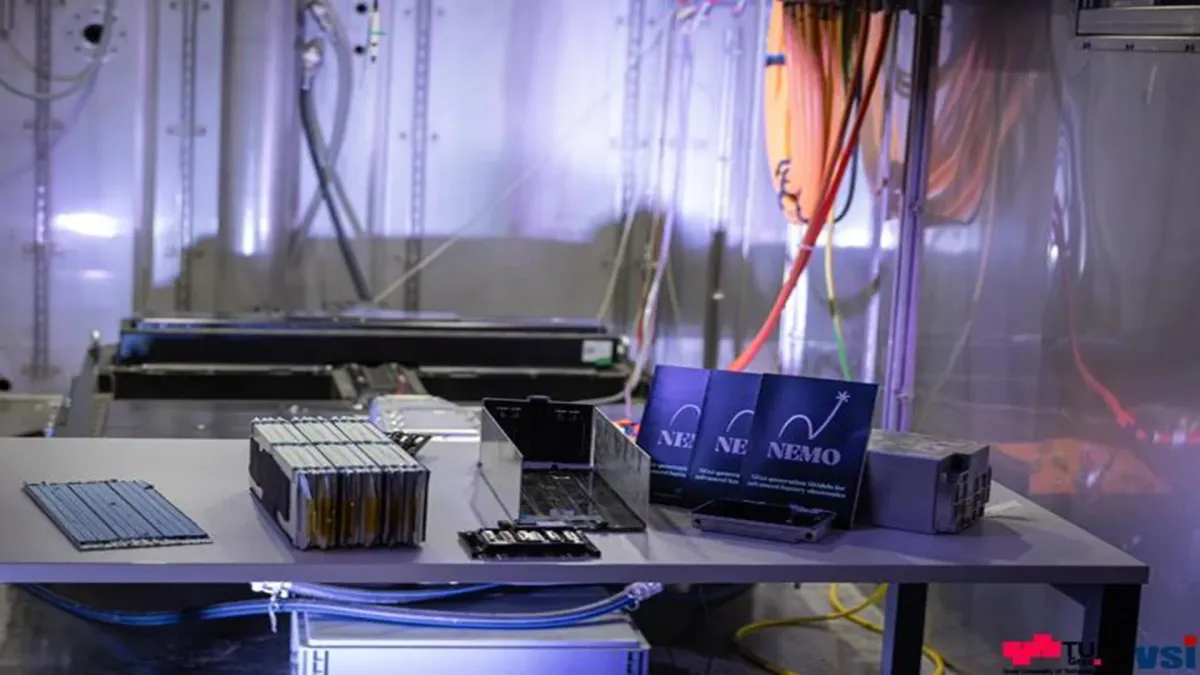
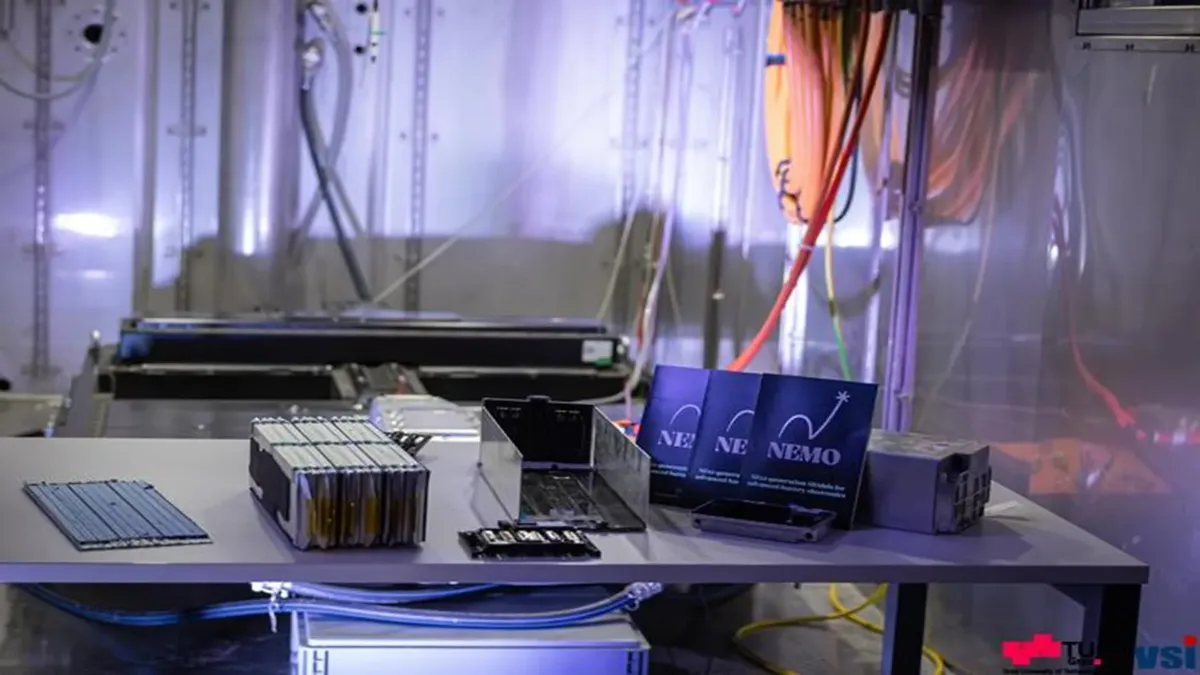
Traditional battery systems are a bit like a doctor who only checks your pulse, temperature, and blood pressure. They're making educated guesses about your internal health. But this new system, born from the EU-funded Nemo project (involving TU Graz, Vrije Universiteit Brussel, and some industry heavyweights), goes full diagnostic. It uses fancy models and algorithms to peer directly into individual battery cells, finding faults, tracking degradation, and even knowing when a little maintenance might be in order.
We're a new kind of news feed.
Regular news is designed to drain you. We're a non-profit built to restore you. Every story we publish is scored for impact, progress, and hope.
Start Your News DetoxTo train this super-smart system, scientists did what any good researcher would: they intentionally damaged battery cells. They bent some to simulate parking lot bumps and minor impacts, then fed that data to the algorithms. The goal? To teach the system to spot similar trauma in real-world batteries. Because, as Christoph Drießen from TU Graz's Vehicle Safety Institute points out, catching risks early is key for safer, more sustainable EVs.
The secret sauce is called electrochemical impedance spectroscopy (EIS). Instead of just external observations, this sensor-based method measures electrical resistance inside the cells. It's like the battery sending out little signals saying, "Hey, something's not quite right in here." This direct line of communication means engineers get hard data, not just an educated guess, allowing for proactive fixes before things go sideways.
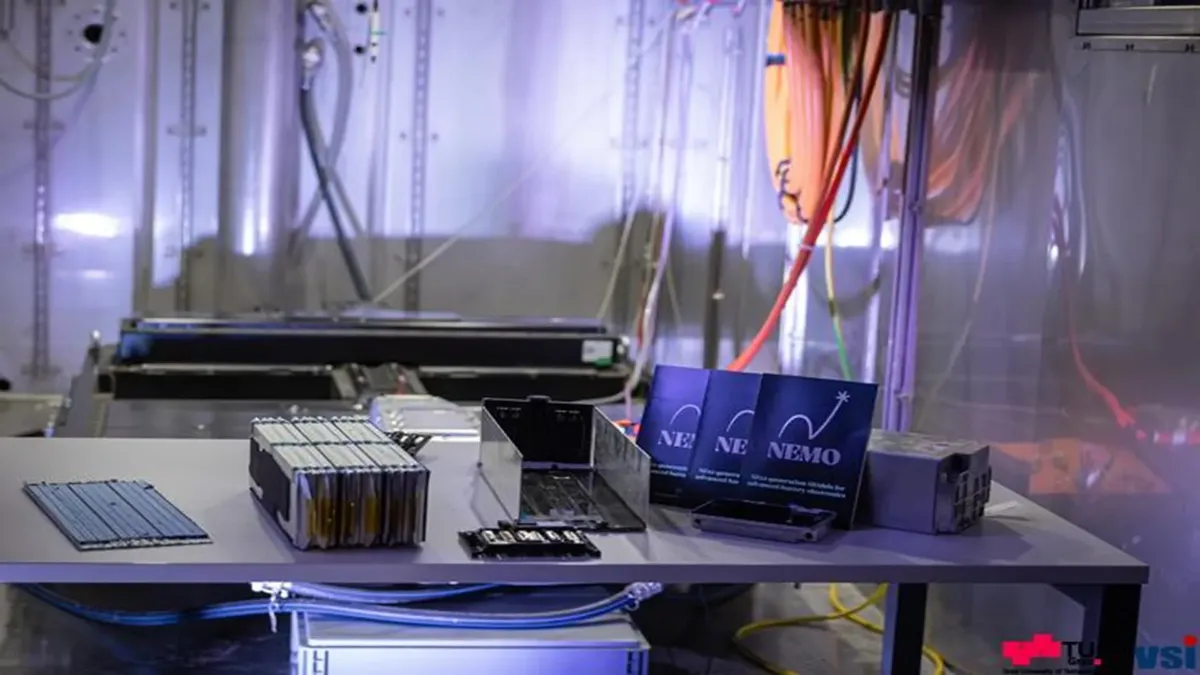
Beyond immediate safety, the system also keeps an eye on the long game: aging. The TU Graz team developed a model that predicts how much battery cells expand and contract during charging and discharging. Too much internal pressure can lead to cracks, bending, short circuits, and even sudden temperature spikes. Meanwhile, the Vrije Universiteit Brussel crew built models to track individual cell lifespans. Because knowing how a battery is really aging, not just how much capacity it's lost, makes all the difference.
The best part? This souped-up BMS isn't expected to add much bulk or weight to existing systems. A working model already exists for battery modules, and the next step is getting it ready for prime-time industrial use. Soon, your EV won't just take you places; it'll be having a quiet conversation with itself about its own well-being. Which, if you think about it, is both impressive and slightly terrifying.