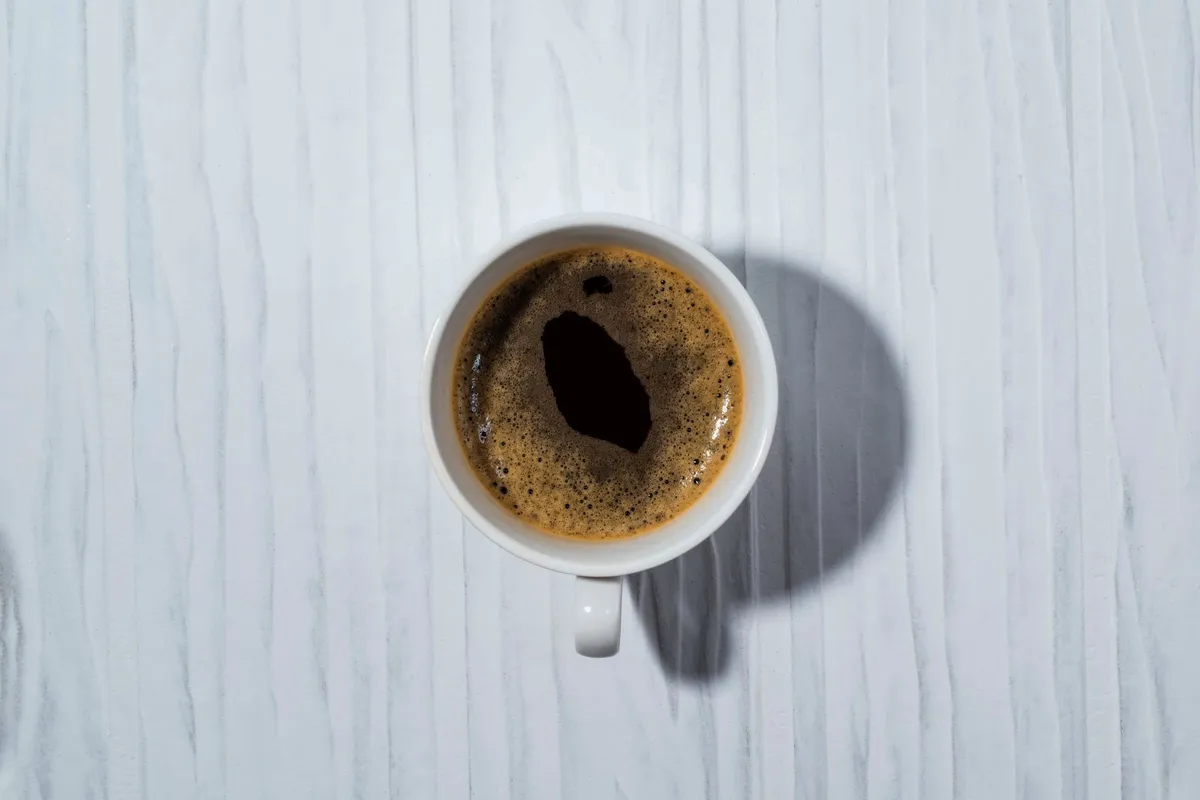
Many of us start our day with the same coffee ritual. We watch the machine warm up and the pressure build. It's a routine that seems set in stone.
But researchers at the University of New South Wales in Sydney have changed a fundamental part of this process. They found a new way to brew espresso.
Brewing Espresso with Soundwaves
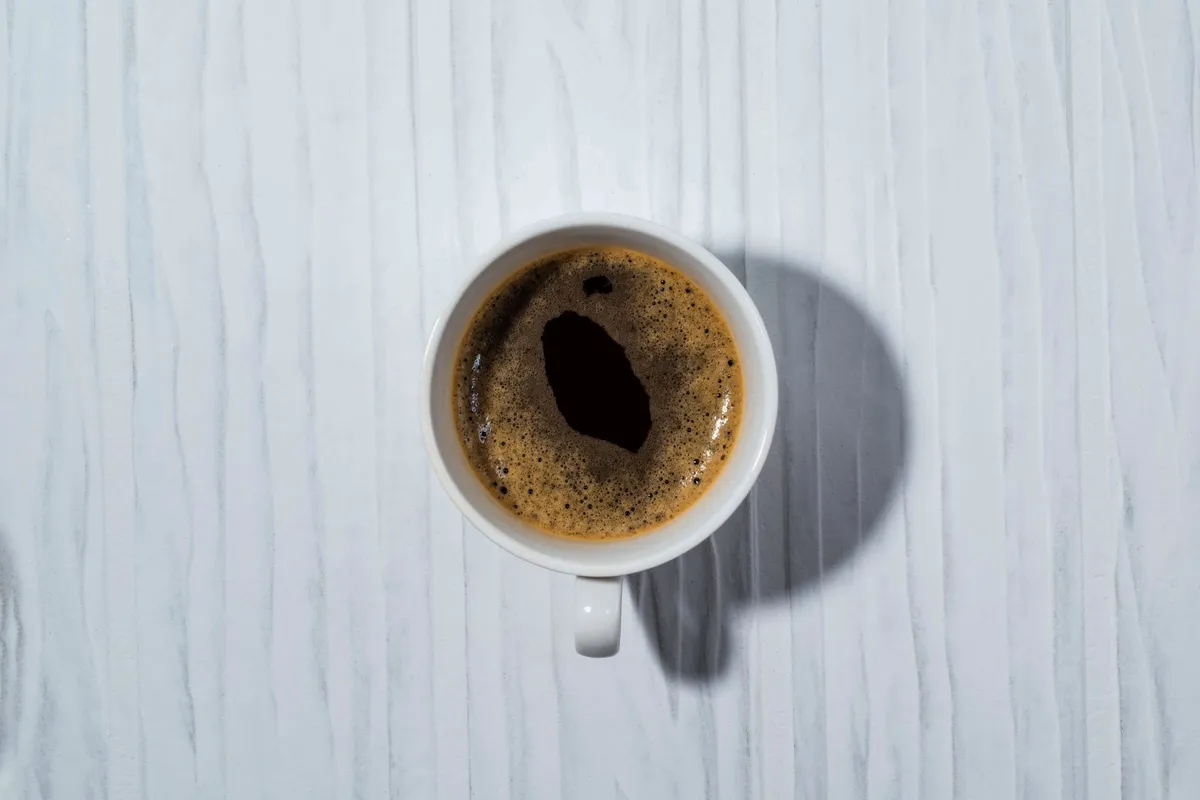
The new method uses ultrasonic soundwaves instead of heat. It brews espresso at room temperature in under three minutes.
We're a new kind of news feed.
Regular news is designed to drain you. We're a non-profit built to restore you. Every story we publish is scored for impact, progress, and hope.
Start Your News DetoxIn a blind taste test, 100 coffee drinkers couldn't tell the difference between this new espresso and a traditional shot. Some even preferred the ultrasonic version.
Francisco Trujillo, a chemical engineer and co-author of the study, explained the process. "It’s a different process, but you get the same richness and concentration of a normal espresso in under three minutes," he said.

How it Works
The process relies on something called acoustic cavitation. Researchers put a small metal device, a transducer, into a standard filter basket. This device creates ultrasonic vibrations.
These vibrations pass through the coffee grounds and water. They cause tiny bubbles to form and then collapse very quickly. Each collapsing bubble acts like a small brush. It breaks open the coffee grounds to release their flavor, caffeine, and oils.
Getting the recipe right took some effort. Trujillo noted that the brew ratio was key. This is the amount of water used per gram of coffee. It ensures the drink is concentrated and not too weak. The team also adjusted grind consistency and how long the soundwaves were applied.

Trujillo has used sound for coffee before. He patented a similar system for cold brew. However, those settings were for cold brew's milder flavor, not espresso's strong concentration.
Why This Matters
A single espresso machine doesn't use a lot of energy. But think about all the cafes, offices, and hotels making coffee all day. The energy adds up.
The ultrasonic method uses about 75% less energy than a regular machine. Trujillo hopes large coffee manufacturers will adopt this technique. The energy savings there would be significant.
The technology is still in the research stage. But it has passed a major test: the coffee tastes good. In the coffee world, that's a big deal because people are very particular about their coffee.
Deep Dive & References: Ultrasound enables espresso-strength coffee brewing in 2-3 minutes at low temperature with lower energy consumption - Journal of Food Engineering, 2024