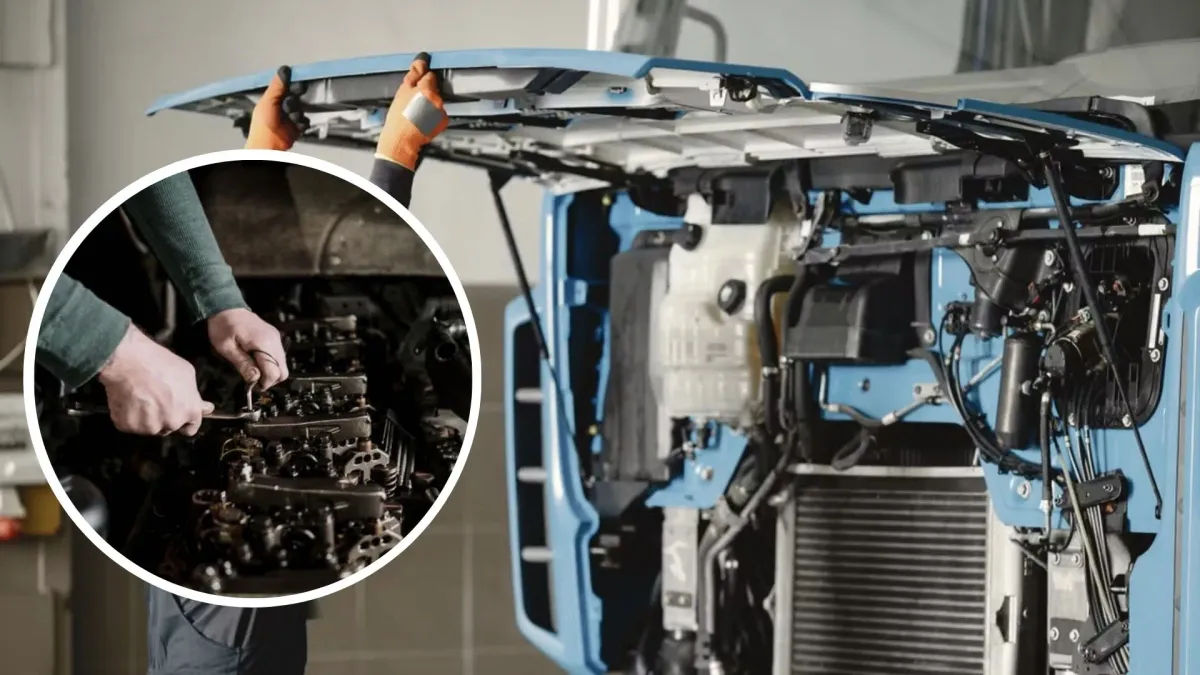
Imagine a truck engine that's lighter than its predecessors, sips fuel like it's a fine wine, and still hauls a serious load without breaking a sweat. Sounds like a futuristic dream, right? Well, scientists at Oak Ridge National Laboratory (ORNL) just made it a very real, very heavy-duty reality.
They've cooked up some new aluminum alloys that General Motors (GM) has now rigorously tested. The verdict? These new materials slash engine weight by 15% and cut fuel consumption by over 10%. Because apparently, we can have nice things.
The Heavy Problem With Heavy Engines
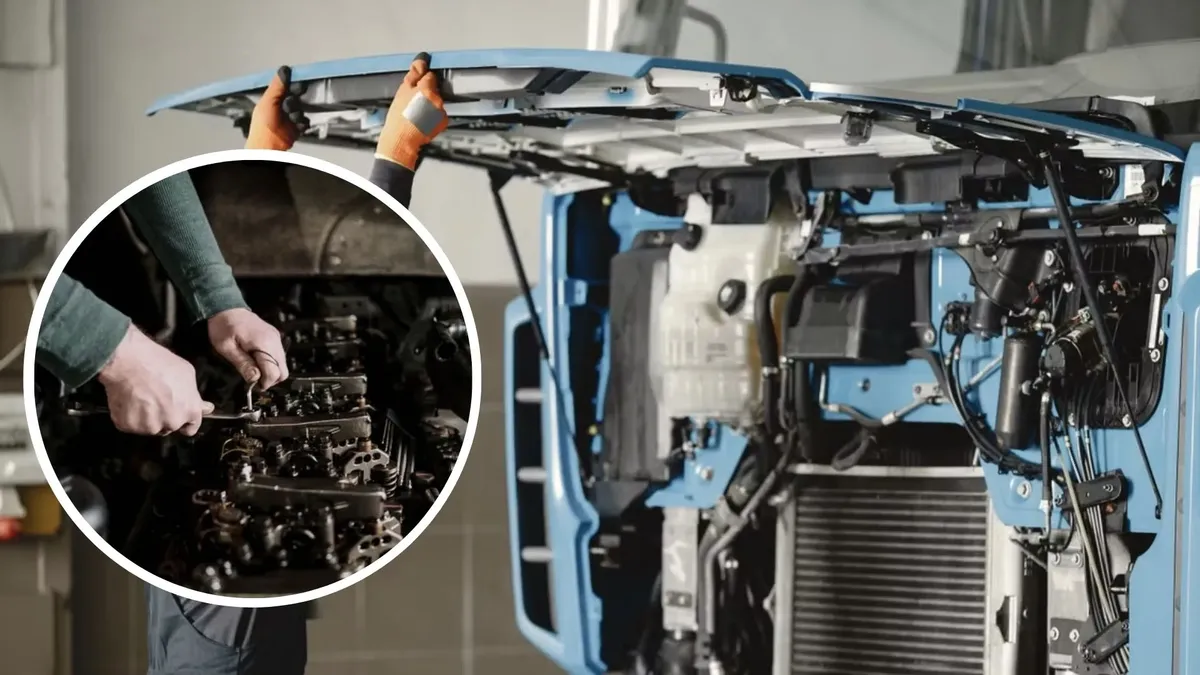
Commercial trucks, the workhorses of our economy, are built to carry massive loads for endless miles. The materials needed to withstand that kind of punishment are typically, well, heavy. And heavy means more fuel burned, more money spent, and more emissions.
We're a new kind of news feed.
Regular news is designed to drain you. We're a non-profit built to restore you. Every story we publish is scored for impact, progress, and hope.
Start Your News DetoxBut swap in lighter materials, and you usually end up with an engine that melts under the intense heat and pressure required to move a fully loaded Chevrolet Silverado 3500. It's a classic engineering Catch-22.
ORNL's brainiacs tackled this head-on. They developed two aluminum alloys that are both lightweight and incredibly tough, even when things get scorching hot inside the engine block.
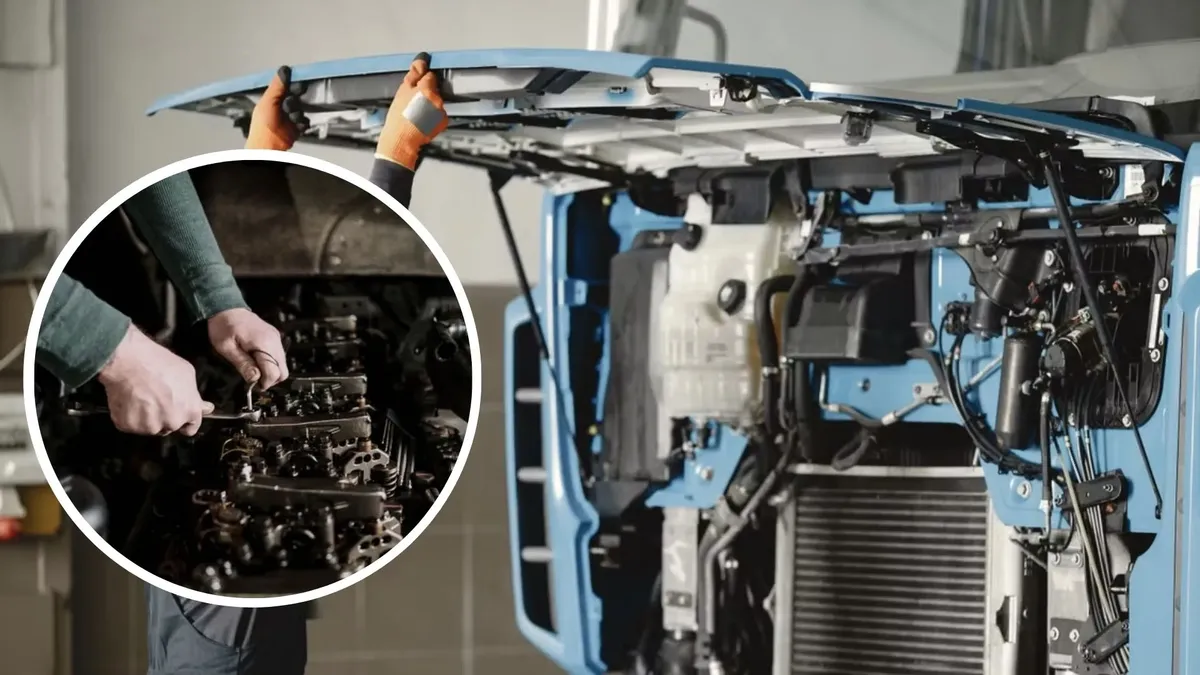
One, dubbed ACMZ (AlCuMnZr), is a cast alloy used for the cylinder heads and block. Think of it as the engine's skeleton – strong, cheap, and utterly unfazed by extreme temperatures and stress. The second, DuAlumin3D, is a 3D-printable alloy designed specifically for pistons. This one offers what's being called the best known combination of strength and durability for aluminum at extreme temperatures. So, your pistons can now be both feather-light and practically indestructible.
Allen Haynes, director of the TTO Powertrain Materials Core Program, put it simply: the goal was lighter, cheaper, and more efficient engines without sacrificing power. Amit Shyam, who leads ORNL's Alloy Behavior and Design Group, added the obvious but critical point: any weight saved translates directly to better gas mileage, saving energy and money. Let that satisfying number sink in.
This project, a collaboration between GM and ORNL, didn't just pass tests; it aced them. It snagged an R&D 100 Award and a DOE 2025 Team Award, adding to previous R&D 100 honors for both ACMZ and DuAlumin3D individually. Which, if you think about it, is both impressive and slightly terrifying for anyone still using old-school alloys.
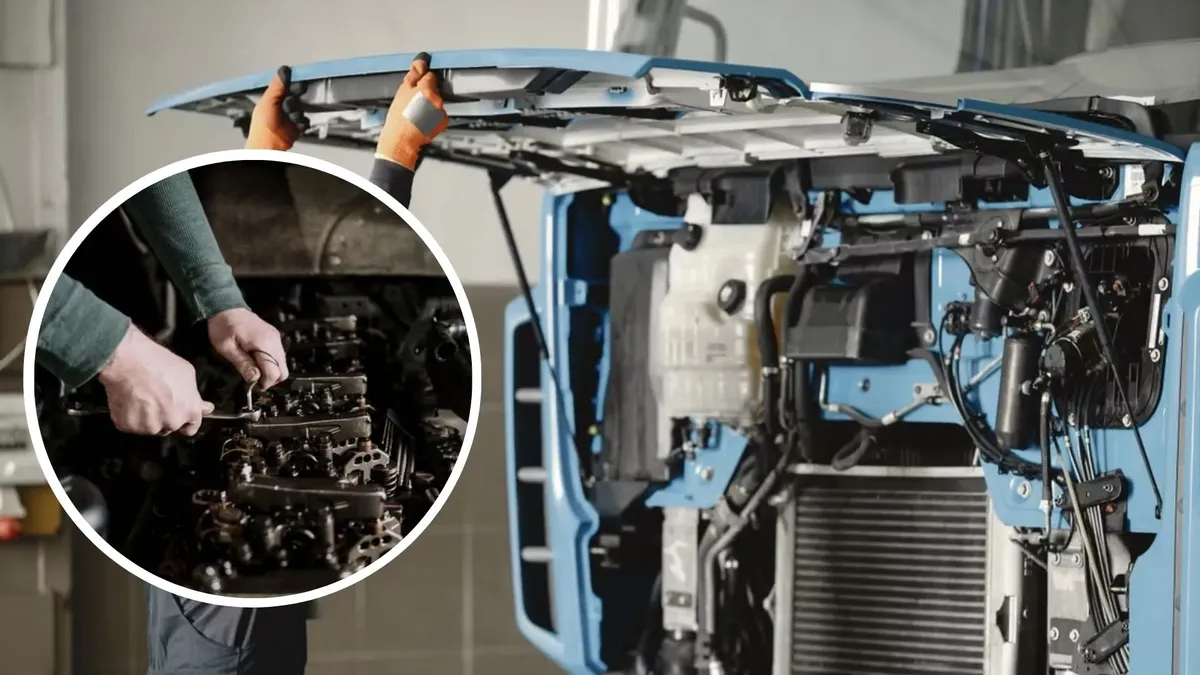
What's truly wild is how fast they did it. ORNL's alloy design method slashes the development time from a typical 10-15 years down to just two to four. This isn't just a minor tweak; it's a full-on sprint from concept to commercial viability, cutting costs and risks along the way. Your next delivery truck might just be a testament to materials science moving at warp speed.