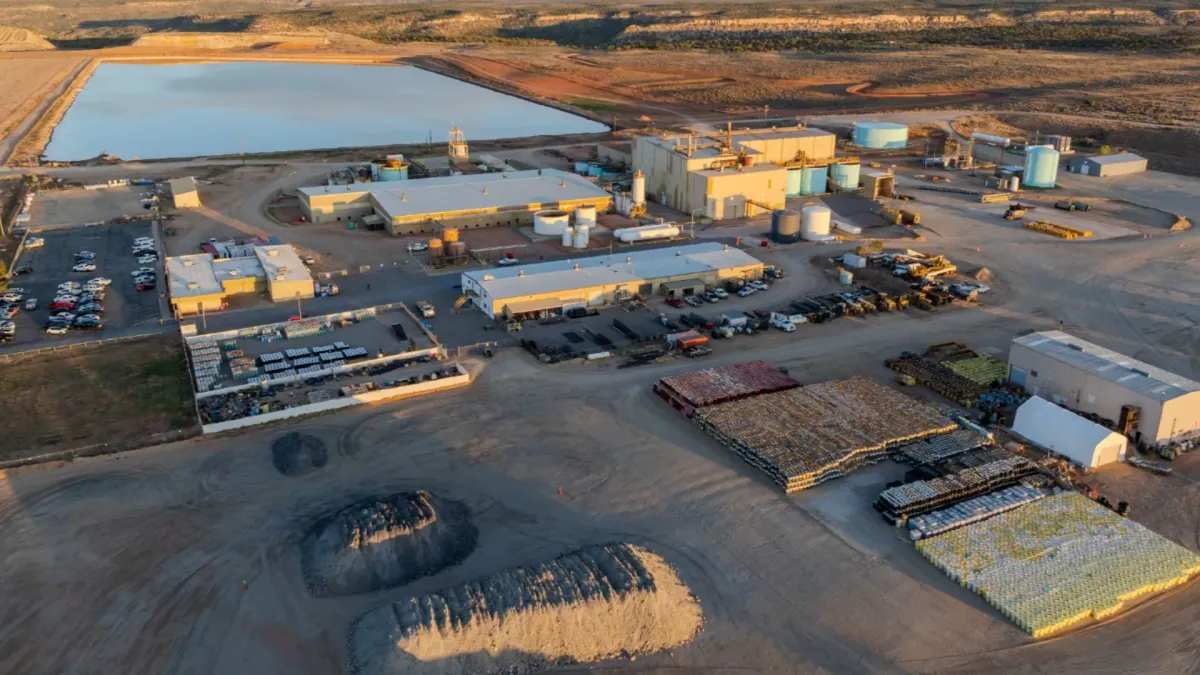
Good news, frequent flyers: the future of guilt-free air travel just got a significant financial boost. A Boston-based clean-fuel developer called Lydian has landed a cool $43 million to scale up its modular platform for making synthetic aviation fuel. The goal? To make those sustainable flights significantly cheaper and less complicated to produce.
The investment, led by Breakthrough Energy Ventures (yes, that Breakthrough Energy Ventures), along with AP Ventures, Builders Vision, and a few other existing cheerleaders, is all about getting this new tech off the ground. Because apparently, we're all ready for a world where your jet fuel doesn't come with an existential carbon crisis.
The PIVOT to Cheaper Fuel
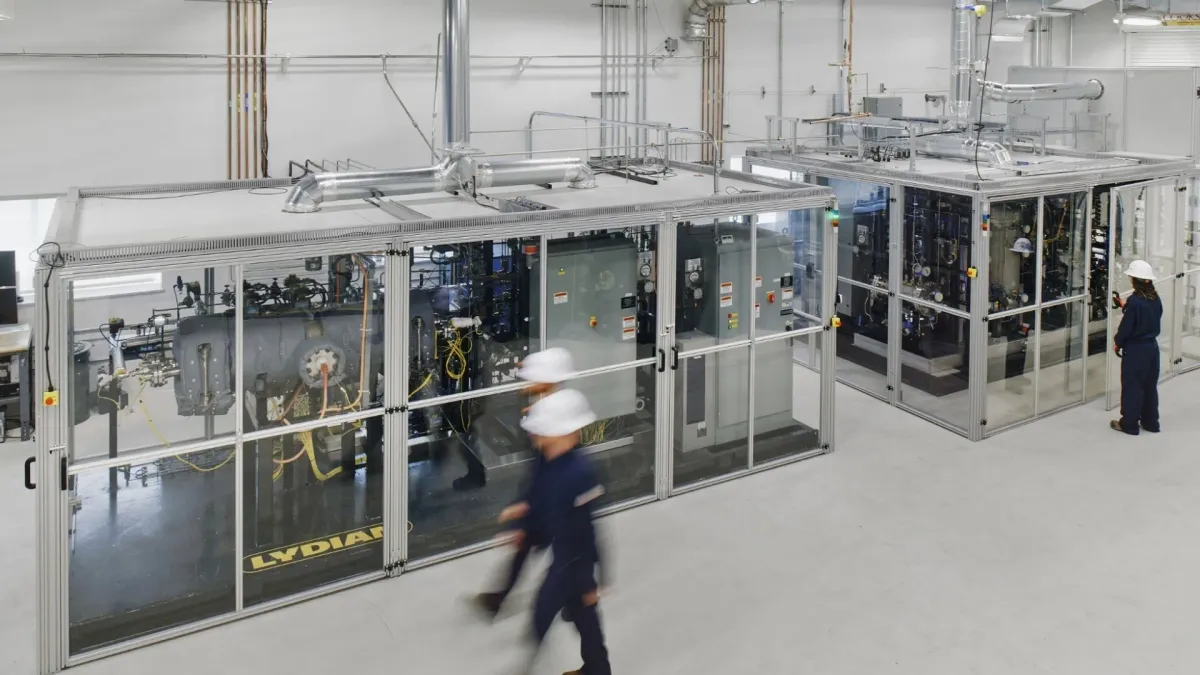
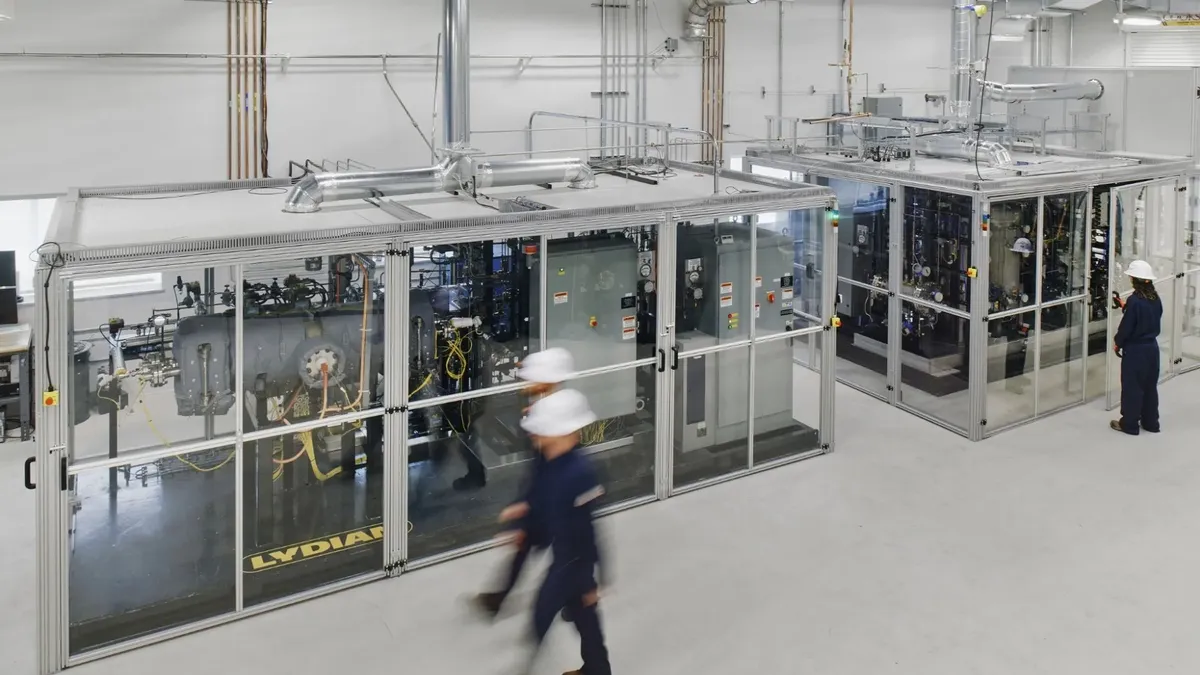
The star of the show is something Lydian calls PIVOT. Imagine a complete, pre-packaged system for making jet fuel — special reactors, catalysts, all the engineering, software, and plant equipment — bundled into standardized, factory-built modules. It's like an IKEA for eco-friendly fuel plants, but presumably with fewer missing screws and existential crises during assembly.
We're a new kind of news feed.
Regular news is designed to drain you. We're a non-profit built to restore you. Every story we publish is scored for impact, progress, and hope.
Start Your News DetoxLydian claims PIVOT can slash the capital costs of building a synthetic fuel plant by over 50% compared to current methods. And as for emissions, it can cut them by up to 95% over the fuel's lifetime. Let that satisfying number sink in.
Most synthetic fuel projects today are stuck using modified gas-to-liquids tech, which was originally designed for massive, centralized facilities. Lydian’s system, however, is built from the ground up to play nice with renewable electricity and its wonderfully erratic pricing. This means smaller, more nimble modular setups.
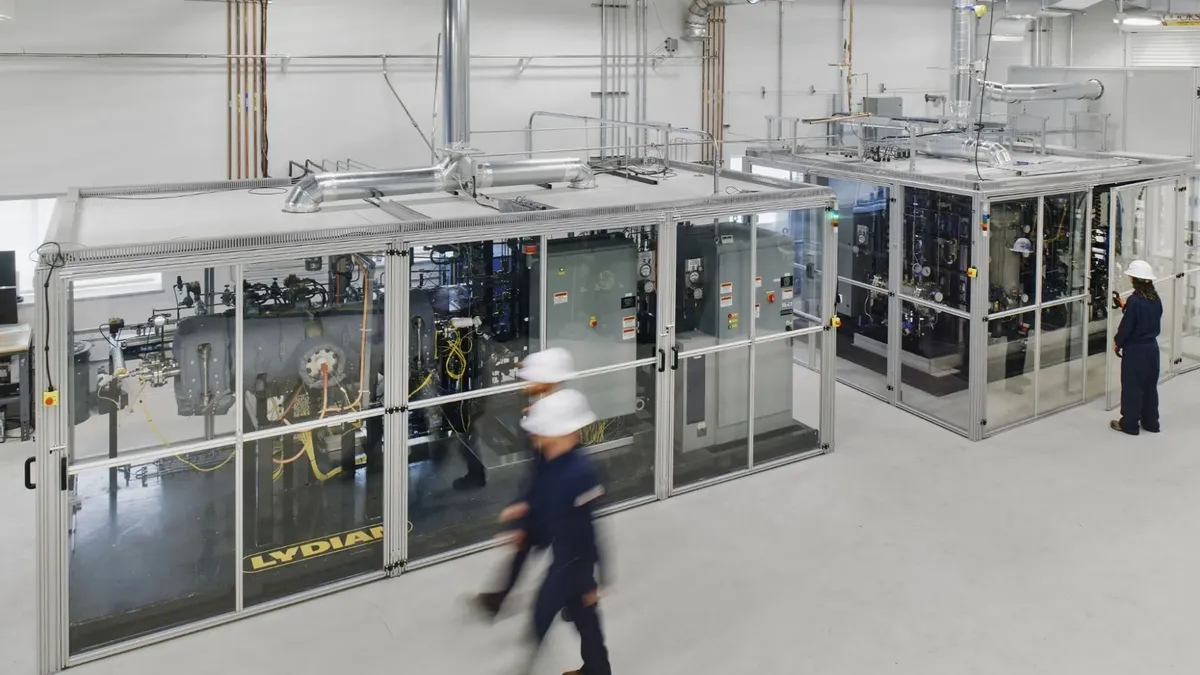
Joe Rodden, Lydian’s CEO, put it simply: PIVOT is a "fundamentally new way" to make synthetic fuel. By designing everything for lower costs, more flexibility, and faster deployment, they're creating a platform for truly competitive synthetic fuel projects. The software even lets the plant adjust operations based on when renewable power is cheapest, tackling one of the biggest cost headaches in the business.
Instead of bespoke, custom-built monstrosities, PIVOT uses pre-engineered, factory-built modules. Lydian says this shaves up to two years off project development. Think less site-specific engineering, less on-site construction drama. It’s a repeatable plant design that can pop up almost anywhere. And yes, the fuel it produces is ASTM-approved, meaning it'll drop right into existing aircraft and infrastructure without a hitch.
Carmichael Roberts from Breakthrough Energy Ventures noted that decarbonizing aviation needs fuels that are both cost-competitive and compatible with today's infrastructure. Lydian’s PIVOT platform, he says, offers a low-carbon fuel that can be produced at a commercial scale at a competitive cost. Which, if you think about it, is both impressive and slightly terrifying in its potential.
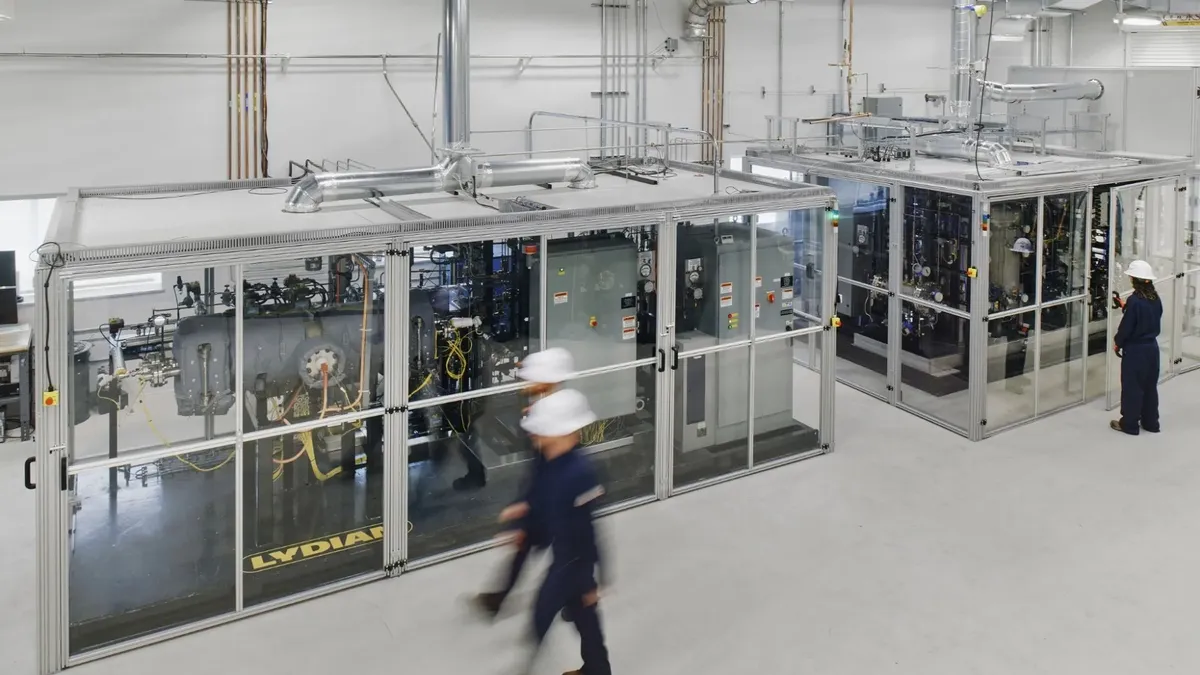
Lydian is already running a pilot plant in Boston, testing the integrated process and modular equipment. They're aiming for a commercial demonstration facility by 2028, with the first full-scale commercial project slated for 2030. If all goes to plan, your next flight might just be powered by something that didn't cost the Earth — or an arm and a leg.