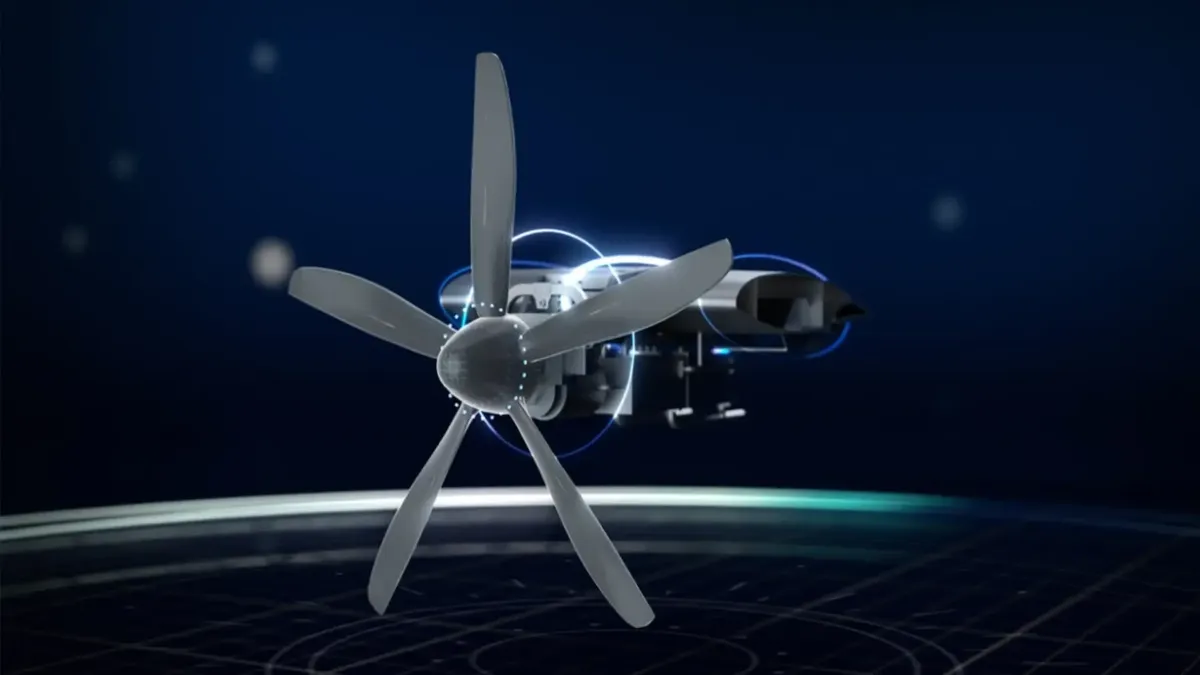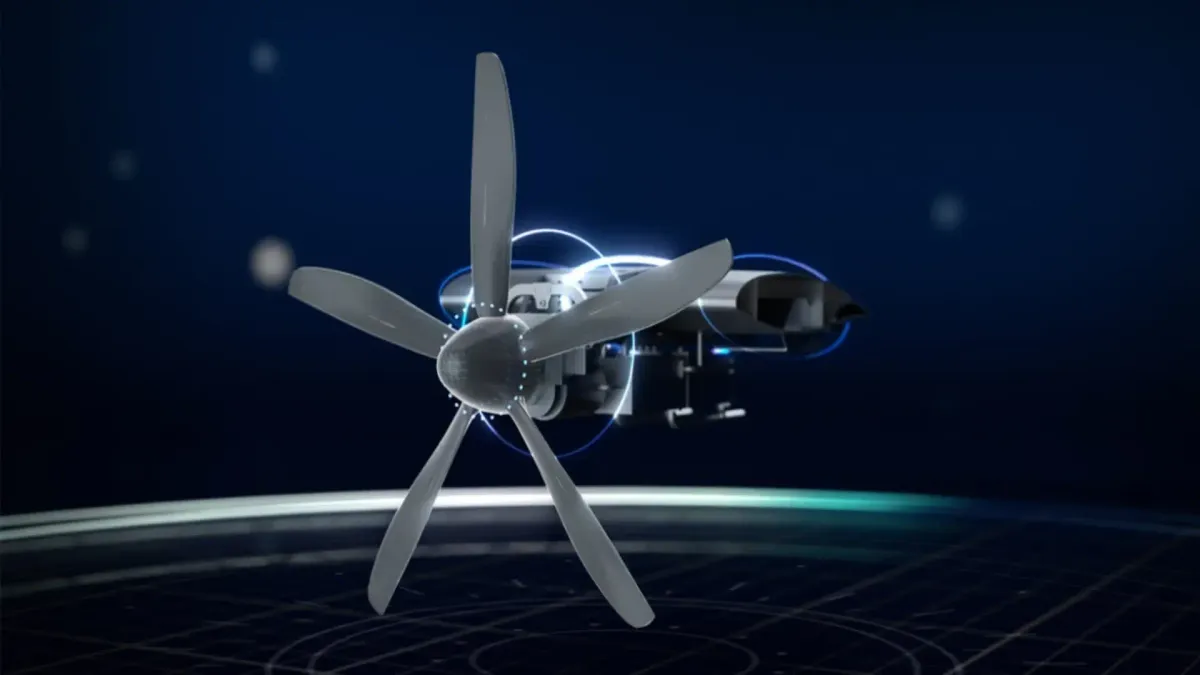
Imagine an airplane engine that only exhales water vapor. No CO₂, no nasty NOx, not even tiny particles to muck up the atmosphere. Just good, clean H₂O. Well, German aerospace giant MTU Aero Engines just announced they’ve made "significant progress" on that very thing, validating key systems for their rather cleverly named Flying Fuel Cell (FFC).
Because apparently that's where we are now: designing planes that are basically flying humidifiers. And honestly, it sounds pretty great.
How It Works (Without Getting Too Nerdy)
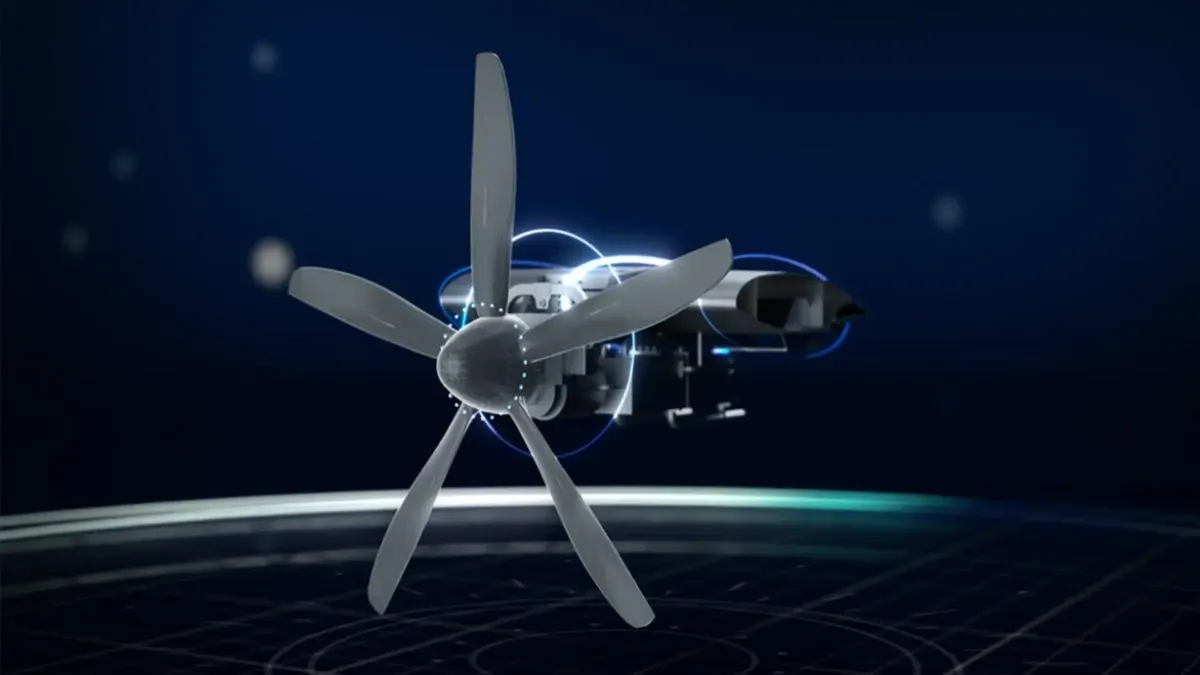
The FFC is MTU’s pet project, a unique fuel-cell engine concept that’s a bit like a super-efficient, airborne chemistry experiment. It takes hydrogen and oxygen from the air, mixes them in a controlled reaction, and poof — electricity and water are born. That electricity then powers an electric motor, which in turn spins a propeller through a gearbox. The upshot? Nearly zero-emission flights. Your only exhaust is water. Which, if you think about it, is both impressive and slightly terrifying if you're stuck in the window seat.
We're a new kind of news feed.
Regular news is designed to drain you. We're a non-profit built to restore you. Every story we publish is scored for impact, progress, and hope.
Start Your News DetoxMTU has been quietly tinkering with fuel cell components and electric engine parts for a while, and now they've successfully tested the main hydrogen and air supply systems. This means the tricky bits that get the fuel and oxygen to the engine are working as intended. They've even validated the liquid hydrogen fuel system – a crucial step, given how finicky liquid hydrogen can be. All these successful tests happened at their Munich site, confirming everything from performance to control models.
The Next Flight Plan
With the supply systems squared away, MTU is now building its first 350-kilowatt fuel cell stack, which is tantalizingly close to what you'd find in a production model. They're also assembling a full-system demonstrator. Think of it as a dress rehearsal for the whole engine, testing how all the subsystems, parts, and control functions play nice together under simulated flight conditions.
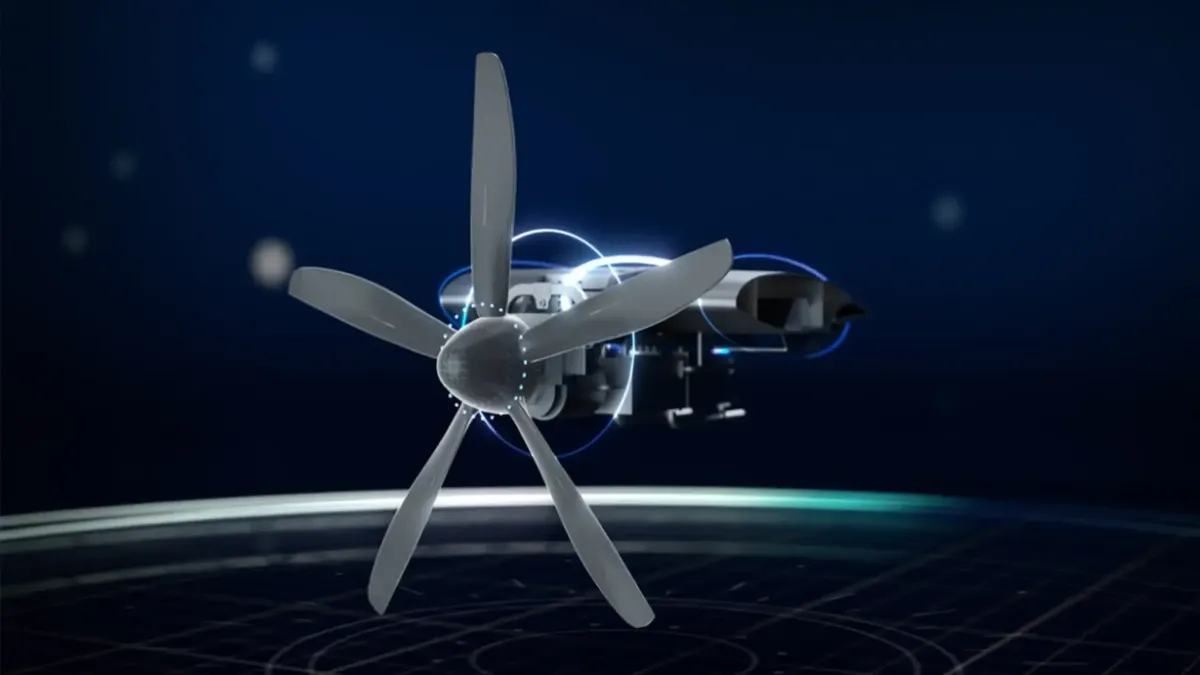
The ultimate goal is to get this hydrogen-electric marvel powering regional airplanes by 2035. They're collaborating with partners on the European research project HEROPS (Hydrogen-Electric Zero Emission Propulsion System) to develop a 1.8-megawatt system. Because a good idea is even better with friends.
MTU has also been cozying up to the European Aviation Safety Agency (EASA) for five years, laying the groundwork for certifying these flying fuel cells. Getting safety rules baked in early means fewer headaches down the line, and a smoother path to what they hope will be "true European technology leadership," as Dr. Stefan Weber, MTU’s SVP Engineering and Technology, put it.
So, the next time you're stuck on a tarmac, imagine a future where the biggest environmental concern from your flight is whether you remembered your umbrella. Because, you know, water.