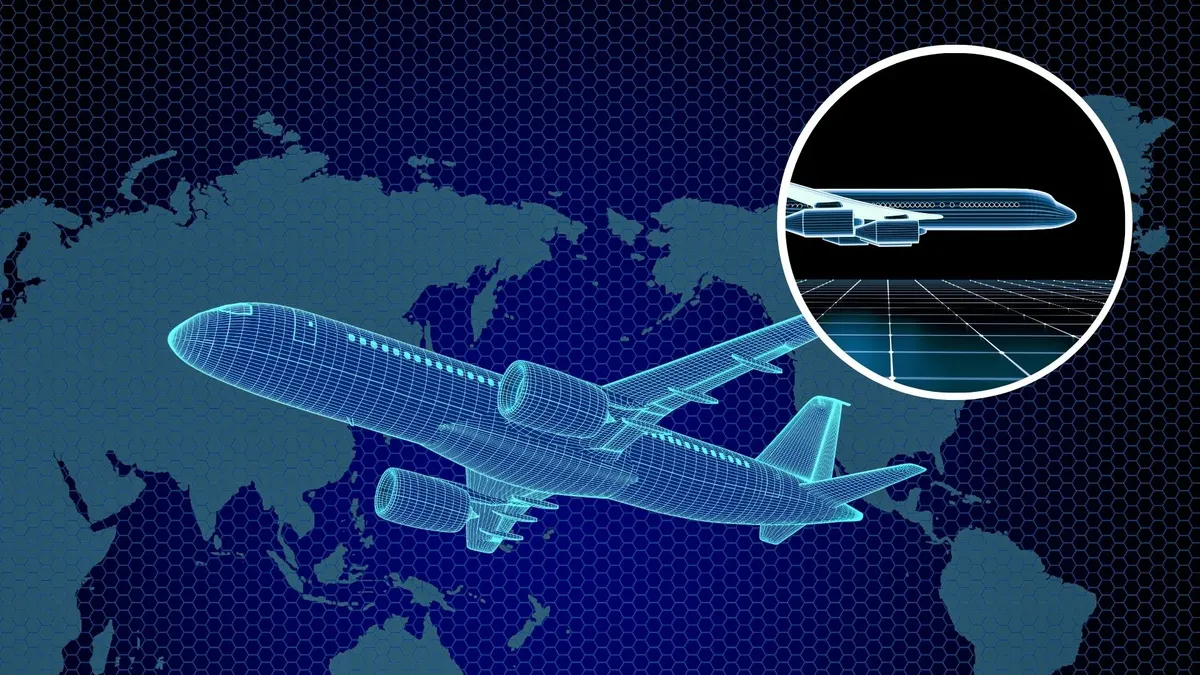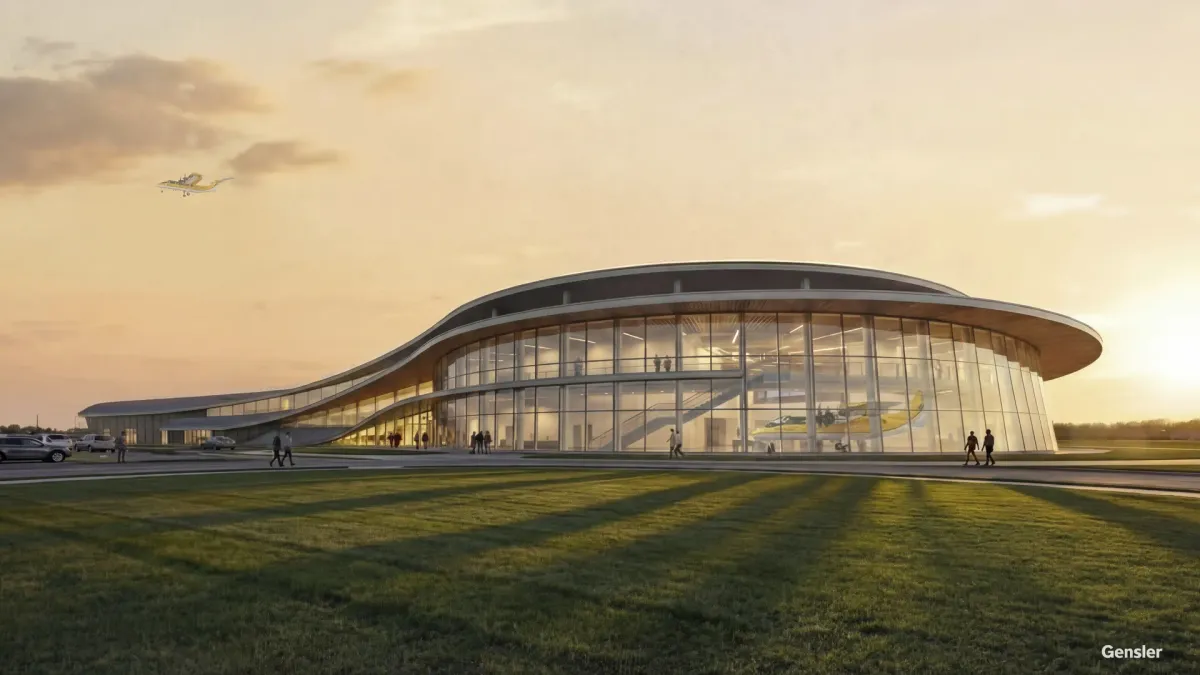
Turns out, flying isn't just about the engines anymore. Airbus has just launched Project LEIA (Large scalE Integration demonstrator of hybrid Electrical Architecture), which sounds like something straight out of a sci-fi movie, but is, in fact, a very real, very ambitious step towards making commercial planes a whole lot greener.
LEIA's mission? To build and rigorously test a brand-new hybrid-electric energy system. The kind that promises to make future aircraft sip fuel, slash emissions, and generally make the whole 'flying through the air' thing a lot less impactful on the planet. Because apparently that's where we are now: electrifying the skies, one airplane at a time.
The Brains (and Wires) of the Operation
The real magic of LEIA lies in its focus on high-voltage electrical systems. We're not just talking about the bits that make the plane go, but everything else that makes a flight bearable — air conditioning, navigation, the in-flight entertainment keeping your kids from asking "Are we there yet?" for the tenth time. By making these systems more efficient, Airbus aims to lighten the load on the main engines, saving fuel and making the plane lighter. Which, if you think about it, is both impressive and slightly terrifying.
We're a new kind of news feed.
Regular news is designed to drain you. We're a non-profit built to restore you. Every story we publish is scored for impact, progress, and hope.
Start Your News DetoxKarim Mokaddem, who heads up aircraft research at Airbus, put it succinctly: this project is fundamentally changing how they design planes. It’s all about creating smart, integrated hybrid-electric systems that form the very backbone of the next generation of aircraft. The future, it seems, isn't just about what powers the plane, but how that power is managed.
LEIA isn't starting from scratch, either. It's building on the success of an earlier project called SWITCH, which saw industry giants like Collins Aerospace and Pratt & Whitney successfully lab-test parts of a hybrid-electric powertrain. Now, LEIA is taking that concept and blowing it up (in a good way) to show how all these different electrical technologies can play nice within a plane's entire energy system.
It's a global effort, too, with a veritable who's who of international groups from Europe, the UK, and the US all pitching in. These include heavy hitters like Safran, Liebherr Aerospace, and the University of Warwick, bringing their collective brainpower to bear on everything from energy storage to power electronics.
Their main goal: to create a ground-based test platform. This isn't just a fancy lab; it's a place where they can push these high-voltage hybrid-electric technologies to their absolute limits, checking power distribution, energy conversion, and even temperature control under conditions that mimic actual flight. All before these systems ever get near an actual plane, which is probably a good thing.
While hybrid-electric tech isn't going to replace jet engines overnight, especially for long-haul flights, it's expected to make a significant dent in the environmental impact of short- and medium-range planes. It's one piece of Airbus's larger puzzle for sustainable air travel, which also includes things like hydrogen-powered aircraft and those sleek, advanced aerodynamic designs that look like they're from tomorrow. Because, apparently, tomorrow is coming faster than we think.