SpaceX just took its massive Starship rocket on its 13th test flight, and if you’re into controlled chaos and fiery re-entries, this one was a doozy. Not only did it successfully launch the first set of next-generation Starlink V3 satellites, but the upper stage also achieved its most polite, controlled splashdown to date. Because apparently, even rockets can learn manners.
The 122-meter (400-foot) behemoth launched from Starbase, Texas, with a checklist longer than your grocery run. It deployed 20 Starlink V3 satellites, restarted a Raptor engine in the vacuum of space (as one does), and collected enough re-entry data to make a spreadsheet blush. While the Super Heavy booster had a bit of a thud moment on its return, the mission was still a significant leap for SpaceX’s grand plan of a fully reusable rocket.
Starlink's New Kids on the Block
This was the first Starship mission where actual Starlink V3 satellites got to stretch their legs — previous tests used decidedly less exciting dummy weights. The 20 satellites were released on a suborbital path, essentially a cosmic test drive to ensure the payload system worked under real, high-stakes conditions.
We're a new kind of news feed.
Regular news is designed to drain you. We're a non-profit built to restore you. Every story we publish is scored for impact, progress, and hope.
Start Your News DetoxThey briefly chatted with the existing Starlink network before, as planned, becoming very expensive shooting stars, burning up on re-entry. The point wasn't to put them in orbit, but to test the deployment system. These new V3s, by the way, promise fatter bandwidth and future features like direct-to-cell service. Because who doesn't want to text from the middle of the ocean via a satellite that just burned up?
The Art of the Soft Landing
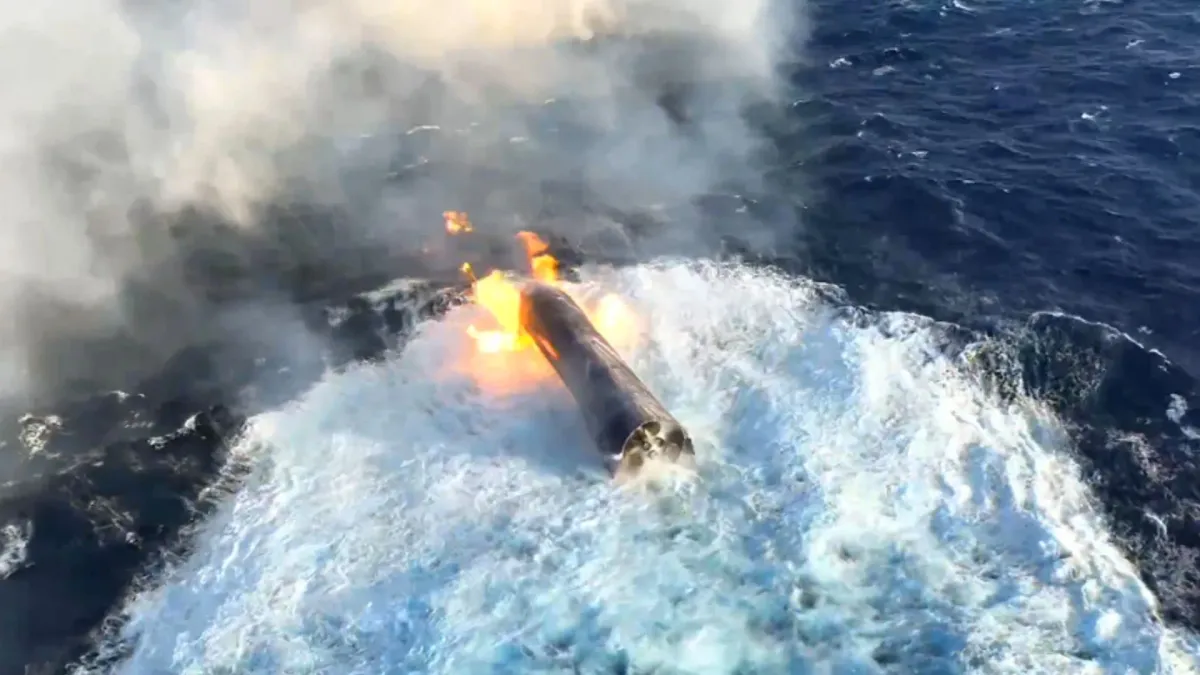
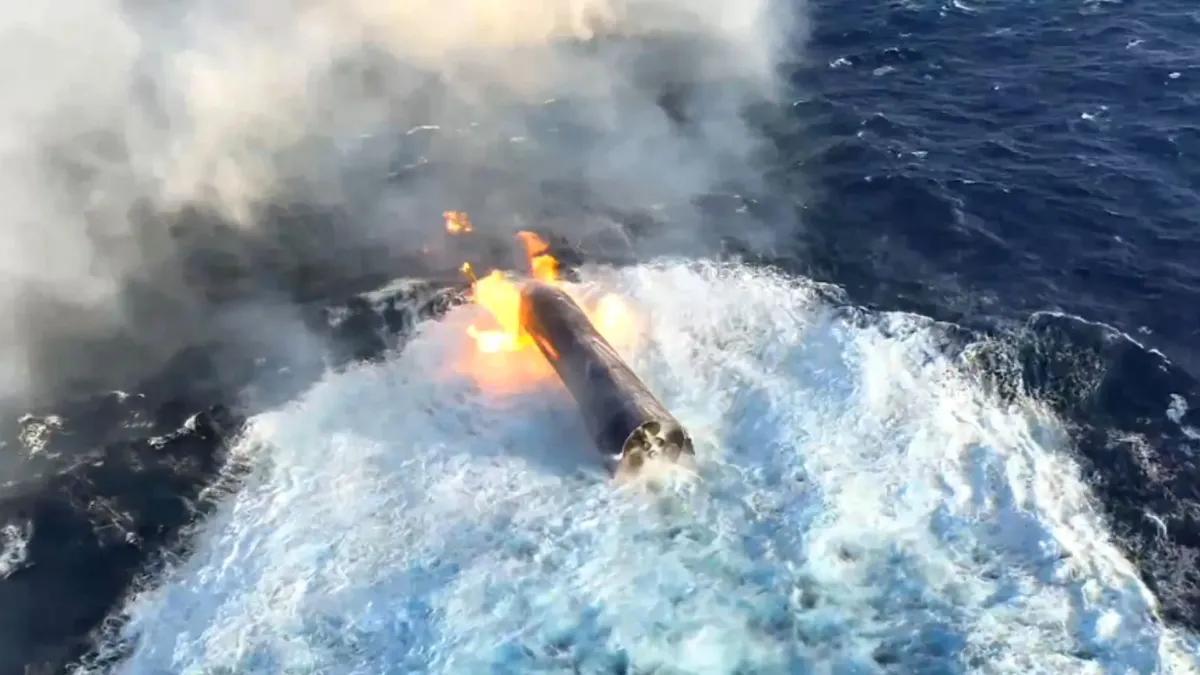
After dropping off its payload, the Starship’s upper stage performed another challenging re-entry. This included the aforementioned engine restart in space and a surprisingly graceful descent into the Indian Ocean. SpaceX deliberately put the rocket through hellacious re-entry conditions, all to gather precious data on its heat shield, flight controls, and structural integrity.
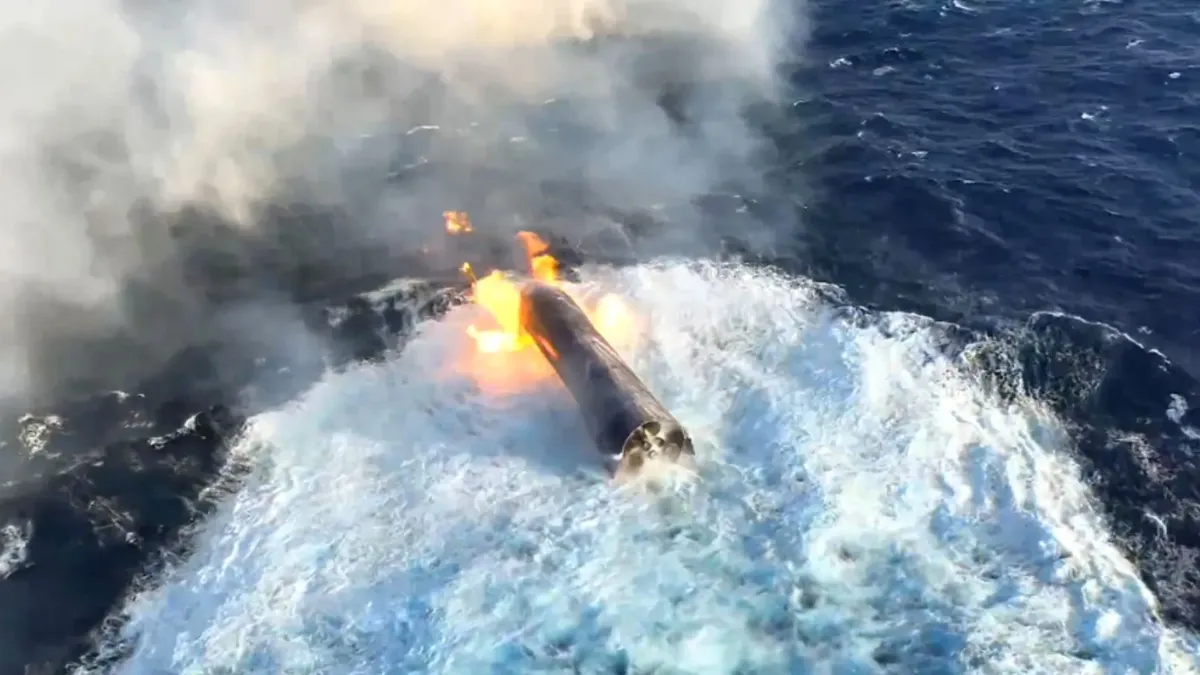
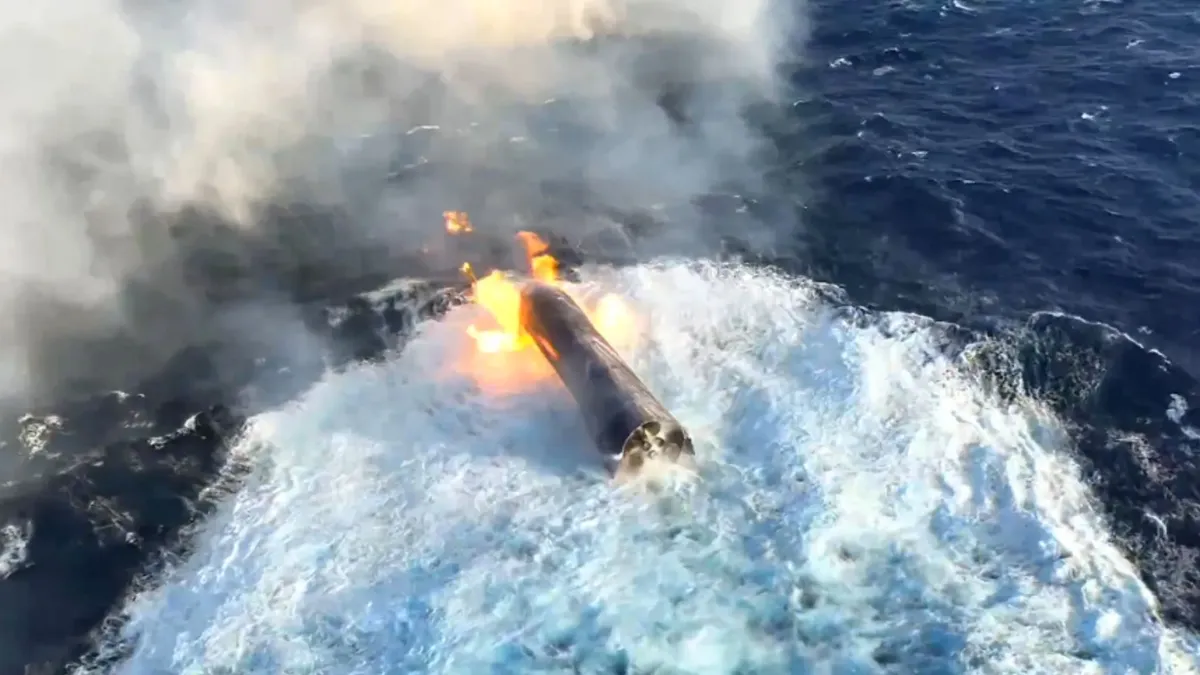
And the result? Starship’s “softest splashdown ever,” according to SpaceX. The rocket stayed mostly intact after its oceanic embrace, and the heat shield showed clear improvements, even after engineers pushed the system to its absolute limits. Which, if you think about it, is both impressive and slightly terrifying.
Booster Bumps in the Road
Not everything was champagne and high-fives. The Super Heavy booster, the first stage, had a bit of a tantrum trying to restart its engines as it returned to the Gulf of America. Some engines simply refused to reignite during the landing burn, leading to a harder-than-planned impact. Sometimes, even rocket boosters have off days.
But SpaceX, ever the pragmatists, emphasized its iterative development strategy. Every mission is a data-gathering exercise, not a quest for immediate perfection. Flight 13 was another opportunity to evaluate everything from ascent to stage separation to payload deployment and, crucially, that fiery re-entry.
This mission further solidifies Starship’s future as a key player in SpaceX’s ambitions. It’s set to become the primary launcher for future Starlink satellites, a crucial component of NASA’s Artemis moon program, and eventually, the ride to Mars. The challenges with booster recovery are still there, a nagging reminder that space is hard, but Flight 13 showed undeniable progress. With each test, Starship moves a little closer to becoming the fully reusable, heavy-lift system that might just take us to the stars – or at least give us better internet from them.