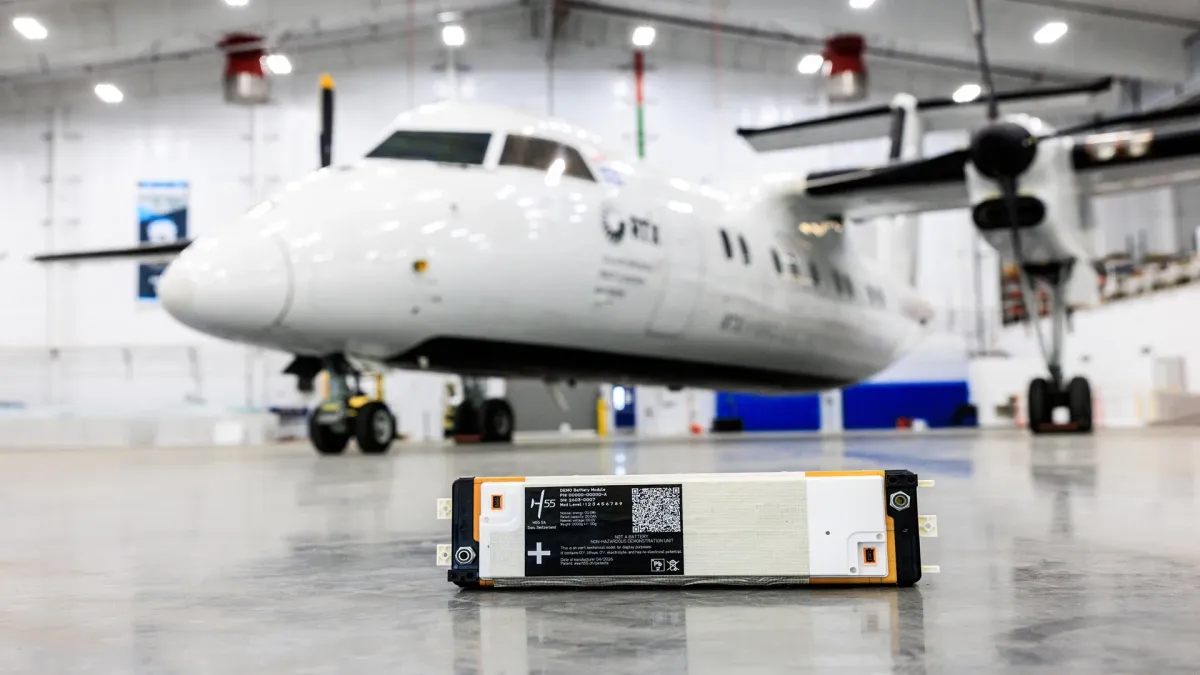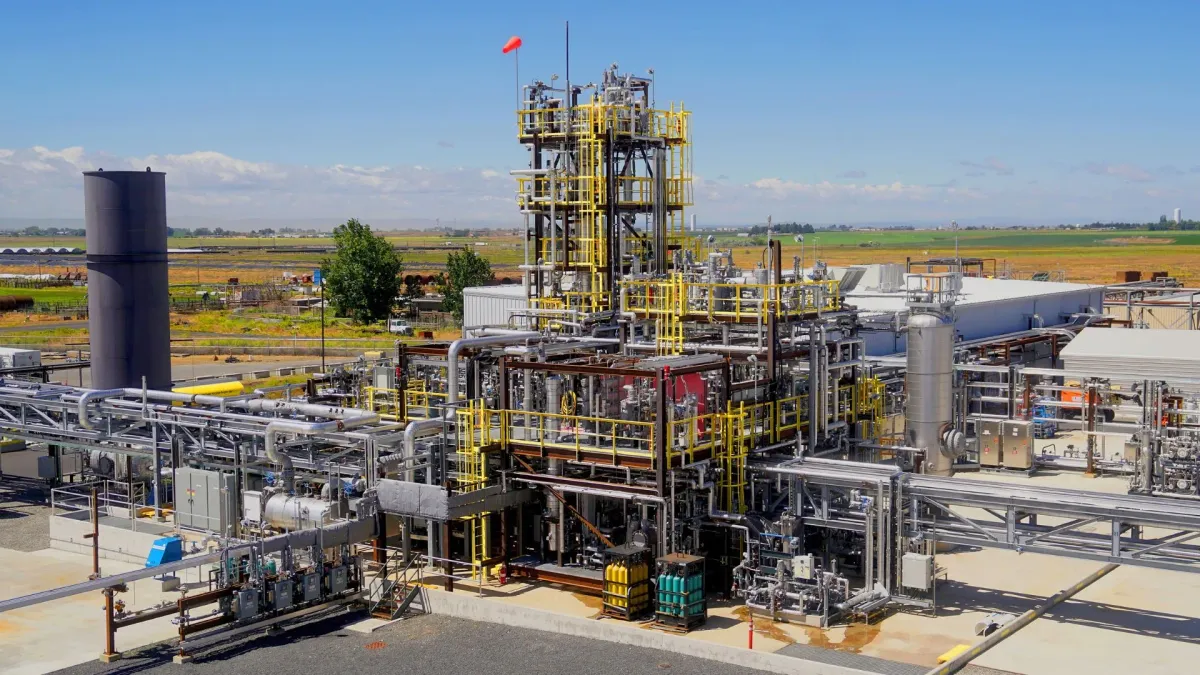
Imagine a world where the exhaust from one flight becomes the fuel for the next. Or at least, where the carbon floating around gets a second, much more productive life. That future just took a significant leap, as America’s first commercial plant turning captured CO2 into jet fuel just fired up in Moses Lake, Washington.
Meet AirPlant One. It’s not just a clever name; it’s a facility built by California-based industrial tech company Twelve, and it’s officially churning out E-Jet fuel. This isn't some science fair project; this is a full-scale operation using a power-to-liquid process that combines captured carbon dioxide, water, and renewable electricity. Because apparently, that’s where we are now: turning air into airplane snacks.
Up until now, making fuel from thin air (and some other ingredients) has largely been confined to labs or small pilot programs. AirPlant One changes that. It means a new, crude-oil-free method of fuel production is now a reality in the U.S. And if jet fuel isn't exciting enough for you, it also makes E-Naphtha, a chemical ingredient found in thousands of everyday products.
We're a new kind of news feed.
Regular news is designed to drain you. We're a non-profit built to restore you. Every story we publish is scored for impact, progress, and hope.
Start Your News DetoxThe Magic Behind the Molecules
AirPlant One's secret sauce is a special electrolyzer system that essentially reconfigures captured CO2 and water into liquid hydrocarbons. Power it all with renewable electricity, and presto: you’ve got synthetic jet fuel that is chemically identical to the stuff currently powering global air travel. Which, if you think about it, is both impressive and slightly terrifying.
Crucially, this E-Jet fuel isn't some experimental concoction that requires new engines or specialized airport equipment. It meets all the necessary safety standards (ASTM certification), meaning airlines can drop it right into their existing planes and infrastructure. This compatibility is the kind of detail that makes accountants nod approvingly and engineers sleep better at night.
While most existing sustainable aviation fuel (SAF) relies on biological materials like used cooking oil or agricultural waste (which, let's be honest, has its limits), this power-to-liquid approach uses inputs that are, well, a bit more abundant. Carbon dioxide and renewable electricity offer a much larger canvas for scaling up production.
Beyond the Runway
Remember that E-Naphtha we mentioned? It’s a synthetic version of petroleum-derived naphtha, a foundational ingredient for everything from plastics and packaging to solvents and synthetic fibers. Because it's chemically identical, manufacturers can swap it into their current systems without missing a beat. Twelve has already demonstrated its use in everything from car parts to consumer goods. So, AirPlant One isn't just fueling planes; it's also quietly transforming the supply chain for your phone case or that plastic bag you probably shouldn't be using.
This technology also promises a bit more stability in the notoriously volatile world of fuel prices. By relying on electricity rather than crude oil, production costs could become more predictable. Plus, Twelve claims its E-Jet fuel can slash lifetime carbon emissions by up to 90% compared to conventional jet fuel. Let that satisfying number sink in.
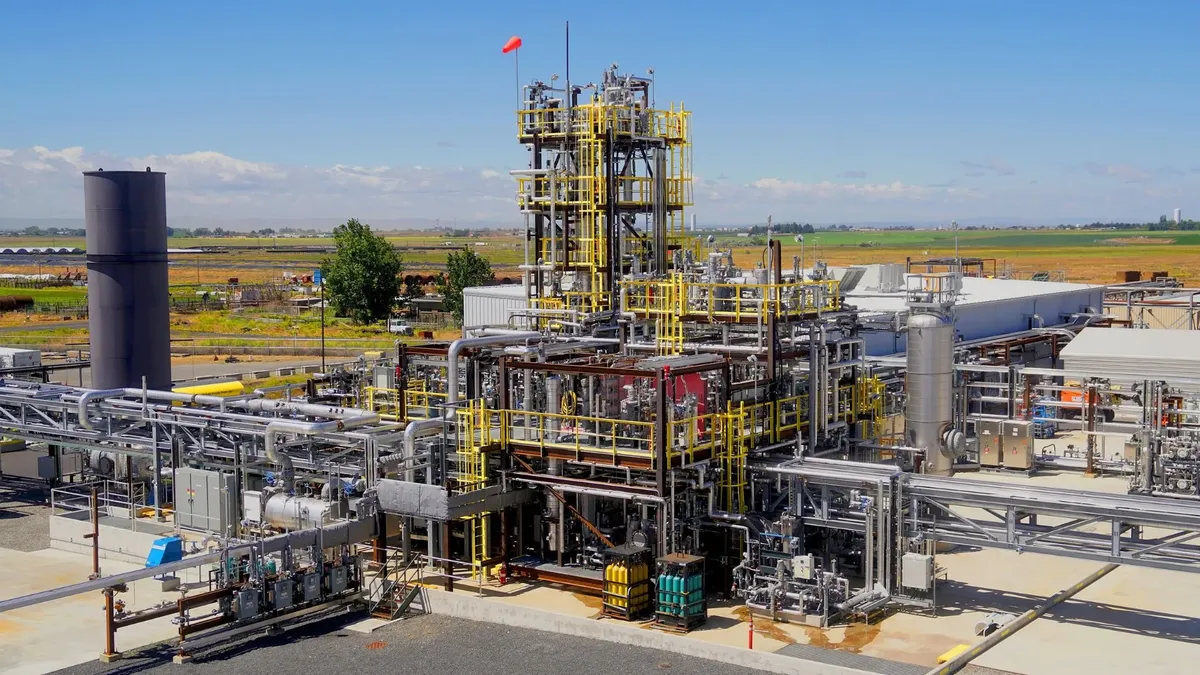
For an aviation industry desperately trying to cut its carbon footprint without having to, you know, stop flying, AirPlant One is more than just a testbed. It’s proof that making jet fuel from thin air and sunshine isn't just a futuristic fantasy. It’s happening, today, in Moses Lake, Washington, and it’s ready for takeoff.