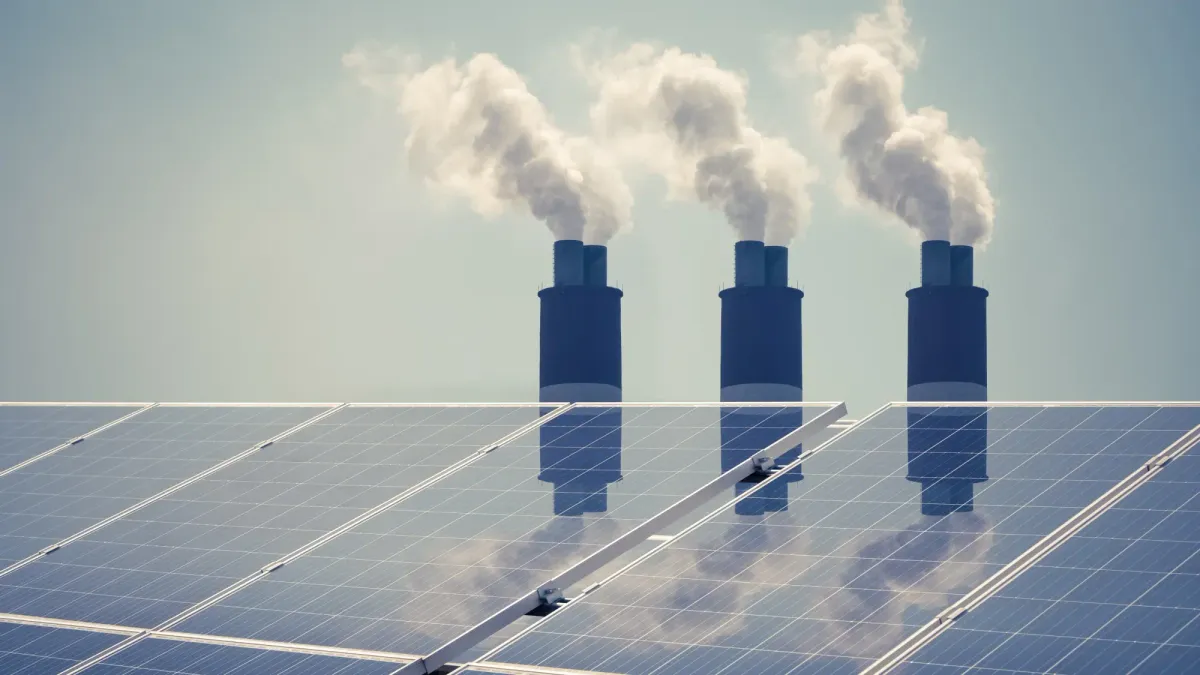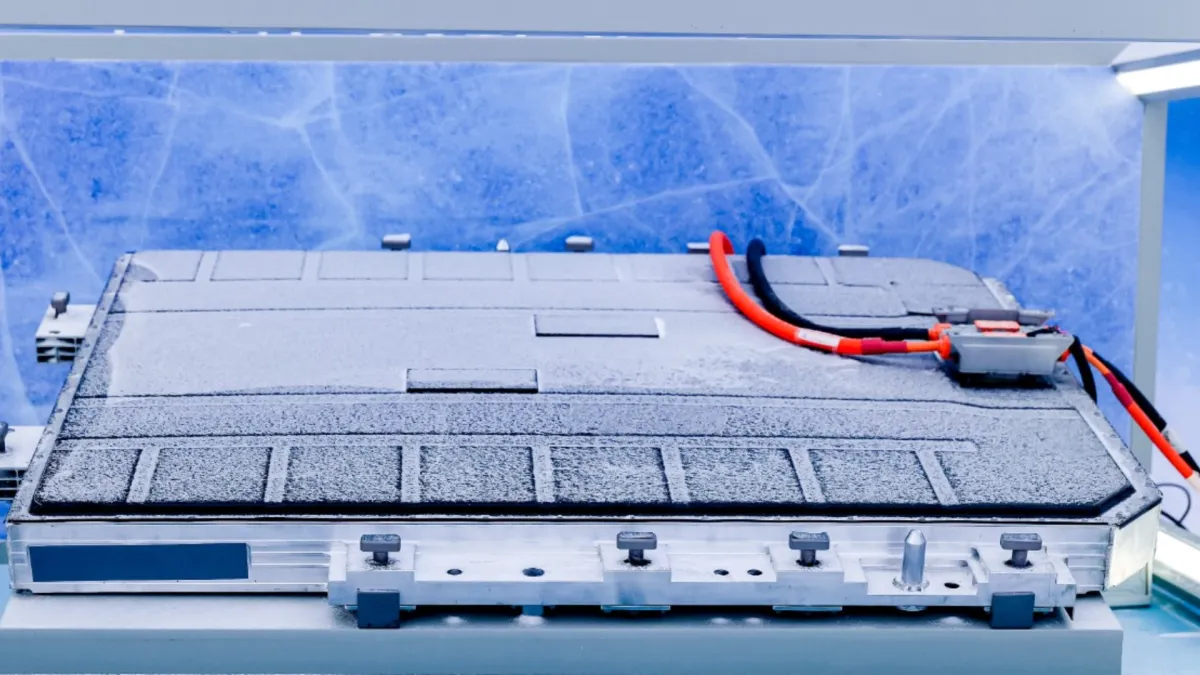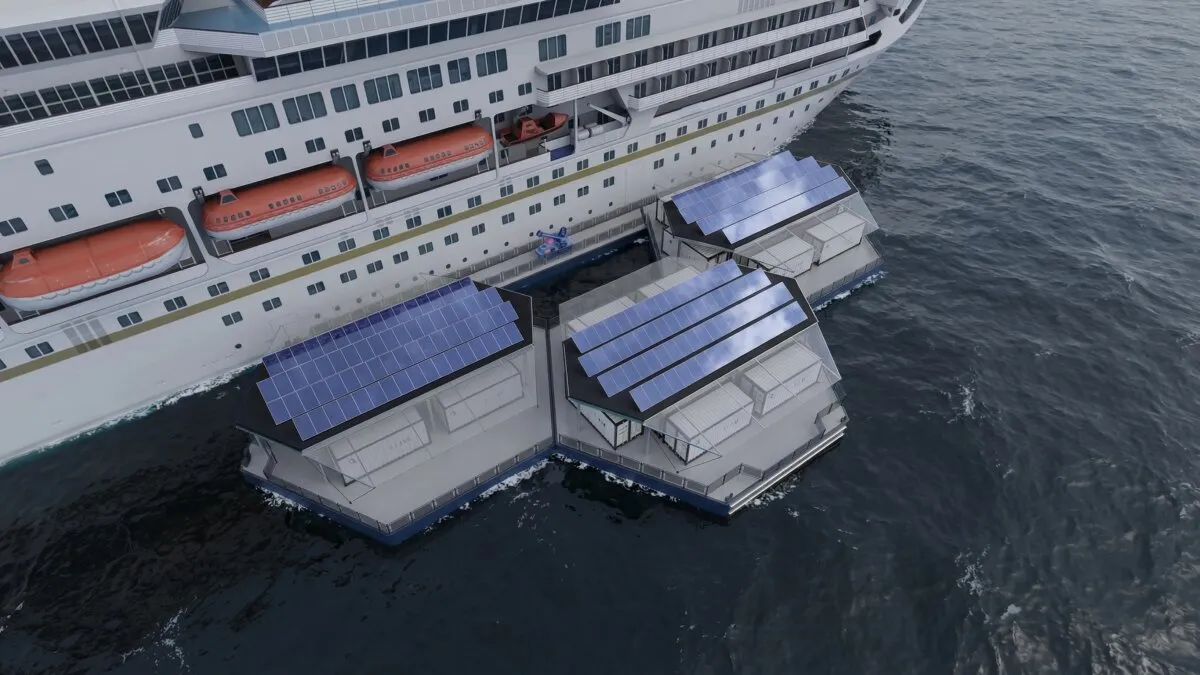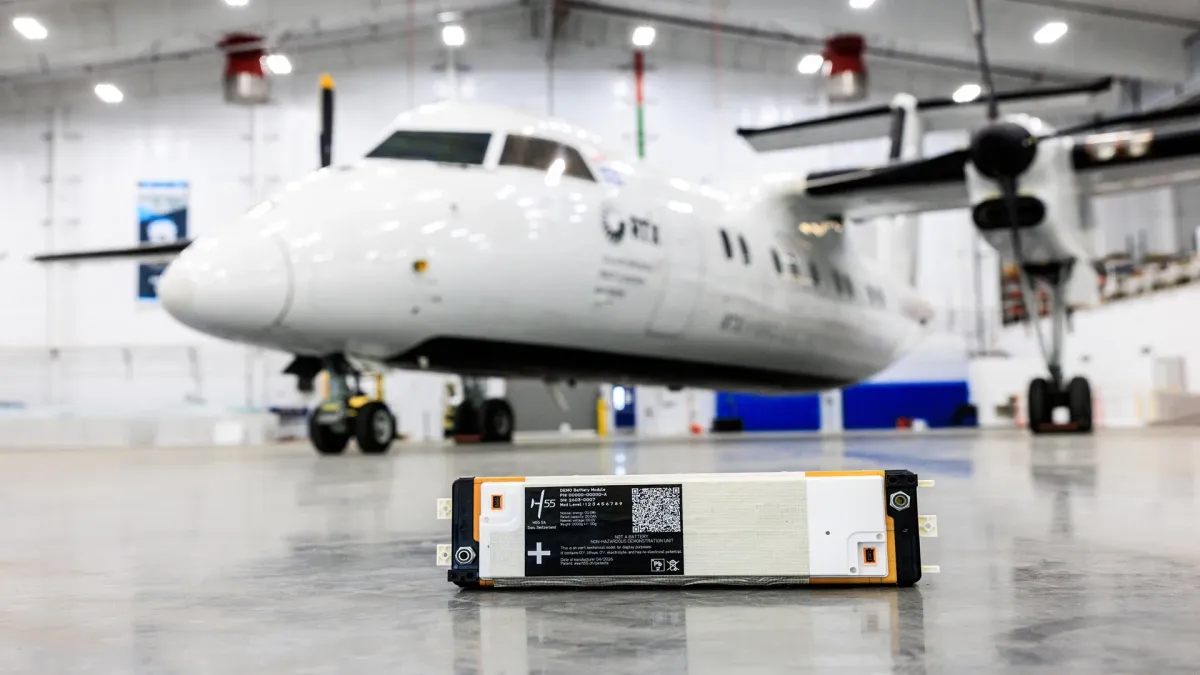
A new idea could help store renewable energy and make steel at the same time. It combines a method for making steel without carbon emissions with iron-based batteries. This could help store electricity without needing rare materials like lithium.
How Steelmaking and Batteries Could Combine
One part of this idea is called molten oxide electrolysis (MOE). This process melts iron ore at very high temperatures, over 1,500°C (2,732°F). An electric current then turns the iron oxide into liquid iron, releasing oxygen. This method creates no carbon dioxide, unlike traditional steelmaking. Companies like Boston Metal are already working on this carbon-free steel production.

Separately, iron-based batteries are becoming popular for storing energy for long periods. Iron-air batteries store and release electricity by essentially "rusting" and "de-rusting" iron. Form Energy, for example, is developing iron-air systems that can store power for 100 hours. Iron flow batteries use dissolved iron salts in a liquid to store energy.
We're a new kind of news feed.
Regular news is designed to drain you. We're a non-profit built to restore you. Every story we publish is scored for impact, progress, and hope.
Start Your News DetoxA Dual-Purpose System
The new research explores if one system could do both jobs: make steel and store energy. When there's a lot of cheap renewable electricity, the system would charge up, turning iron oxide into iron metal. When electricity is needed, the process would reverse, turning the iron back into iron oxide and generating power. The iron ore itself would become the storage material.
This approach uses the well-known chemistry of iron. However, making it work at the high temperatures needed for steelmaking creates challenges. The materials used for electrodes must withstand extreme heat and changing conditions. Also, keeping the system efficient at 1,500°C (2,732°F) is difficult due to heat loss.

Challenges and Advantages
Connecting an industrial steel plant to the electricity grid for storage also brings scheduling issues. A steel plant needs to run continuously, so stopping or reversing its processes to store energy could affect production. One solution might be to have separate MOE cells just for storage, but this would cost more.
Despite these challenges, using iron for energy storage has a big advantage: iron is plentiful and found all over the world. This means there's no risk of running out or having supply chain problems, unlike with lithium. The chemical reactions of iron are also well understood, making it easier to predict how these systems will perform over many charge and discharge cycles.
Turning this lab idea into a real-world, dual-use plant will require solving problems like electrode wear, managing heat on a large scale, and balancing the money made from energy storage with steel production.