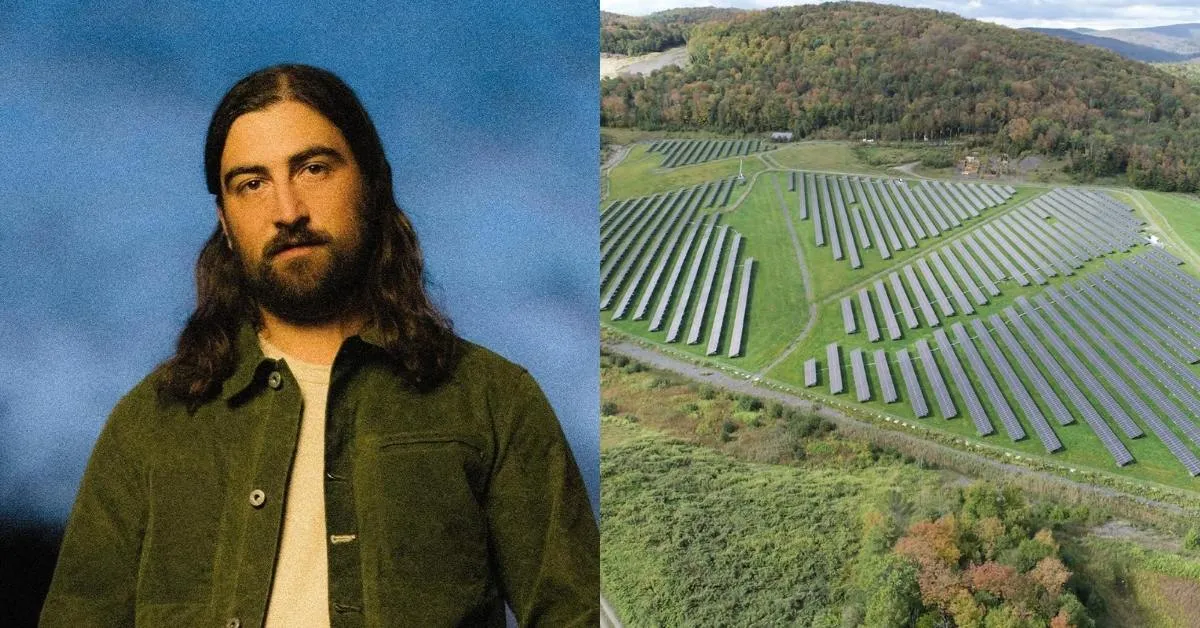
Noah Kahan, a folk-pop artist, often sings about his hometown of Strafford, Vermont. His new album, "The Great Divide," includes a song called "Haircut." In this song, Kahan mentions a unique local project: "put solar in the copper mines."
This line caught the attention of fans. They wondered what solar power project Kahan was referring to. Many believe he is talking about the Elizabeth Mine in Strafford.
From Copper Mine to Environmental Hazard
The Elizabeth Mine opened in 1793. It produced 100 million pounds of ore over its history. However, this mining also caused serious environmental and health problems.
We're a new kind of news feed.
Regular news is designed to drain you. We're a non-profit built to restore you. Every story we publish is scored for impact, progress, and hope.
Start Your News DetoxIn the late 1800s, workers roasted copper ore. This process released iron and sulfur fumes. A historical report from Strafford explained that these gases killed nearby plants.
Even with better methods, the mine remained a risk. It closed in 1958 due to public health concerns. But its impact lasted for generations.
By the early 2000s, a local river was suffering. The Ompompanoosuc River had copper levels 10,000 times higher than safe limits. Fish populations were low, and the riverbed showed little life. One family even had high levels of heavy metals in their drinking water.
A Historic Cleanup and Transformation
In 2003, the Environmental Protection Agency (EPA) began a major cleanup. They spent over $100 million and nearly two decades stabilizing the mine's dam. They also removed toxic waste from waterways.
This restoration was a huge success. By 2014, several nearby water bodies were removed from the Clean Water Act's "Impaired Waters List." This was because healthy insect and fish communities had returned.
The cleanup also replaced eight acres of toxic wetlands with 15 acres of healthy ones. It drastically reduced the iron load in the water.
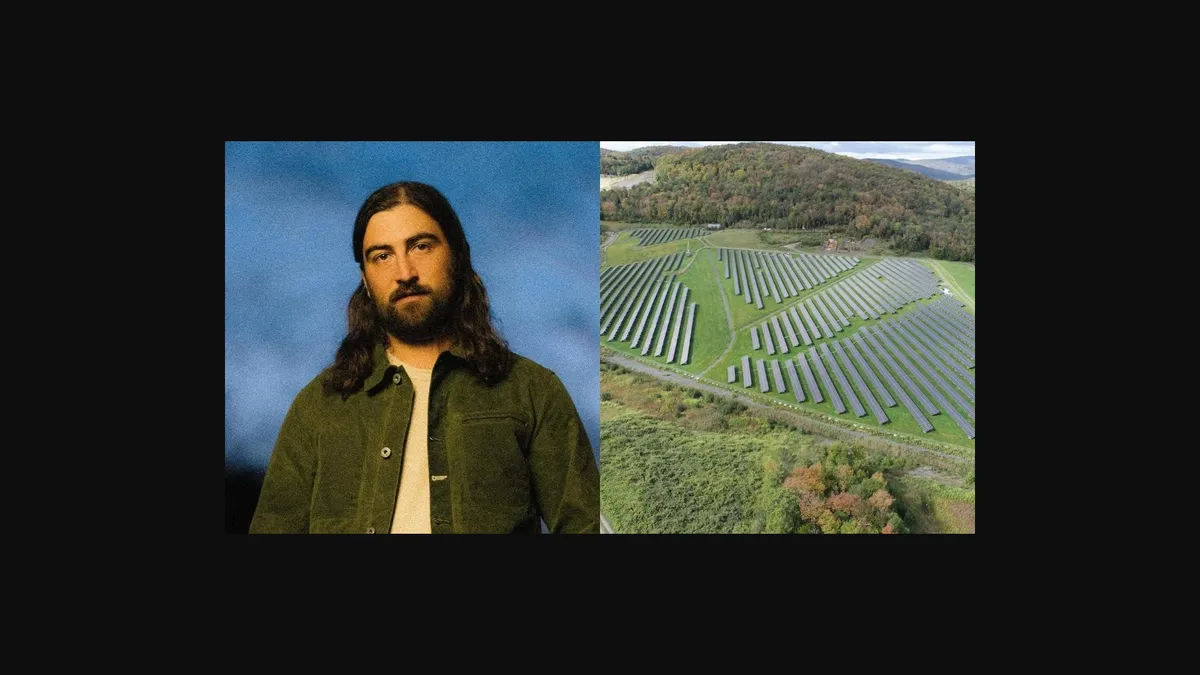
The biggest victory, however, was turning the mine site into a solar farm.
Local farmer John Freitag shared that Dori Wolfe, a strong solar advocate, pushed for the project. She believed covering the Elizabeth Mine with solar panels would honor its history.
Freitag noted that a solar project would benefit Vermont and Strafford. It would help meet renewable energy goals without using farmland or forests. The tax revenue could also improve schools, lower property taxes, or fix roads.
After gaining local support, the project was approved. In 2021, 20,000 solar panels were installed on the 45-acre site.
Powering the Community and Inspiring Others
The solar farm now generates 8.7 million kilowatt-hours of electricity each year. This is enough to power 1,333 typical Vermont homes. It also offsets 7,136 tons of carbon dioxide greenhouse gas.
Freitag is proud of his town's achievement. He sees the Elizabeth Mine project as a model for other communities. It shows how federal officials and local communities can work together for positive outcomes.
Noah Kahan's album, "The Great Divide," debuted at No. 1. All 21 songs charted on the Hot 100. Hopefully, this "Easter egg" about Strafford's solar farm will inspire more support for renewable energy projects.