Soccer Players Set World Record to Fight Climate Change
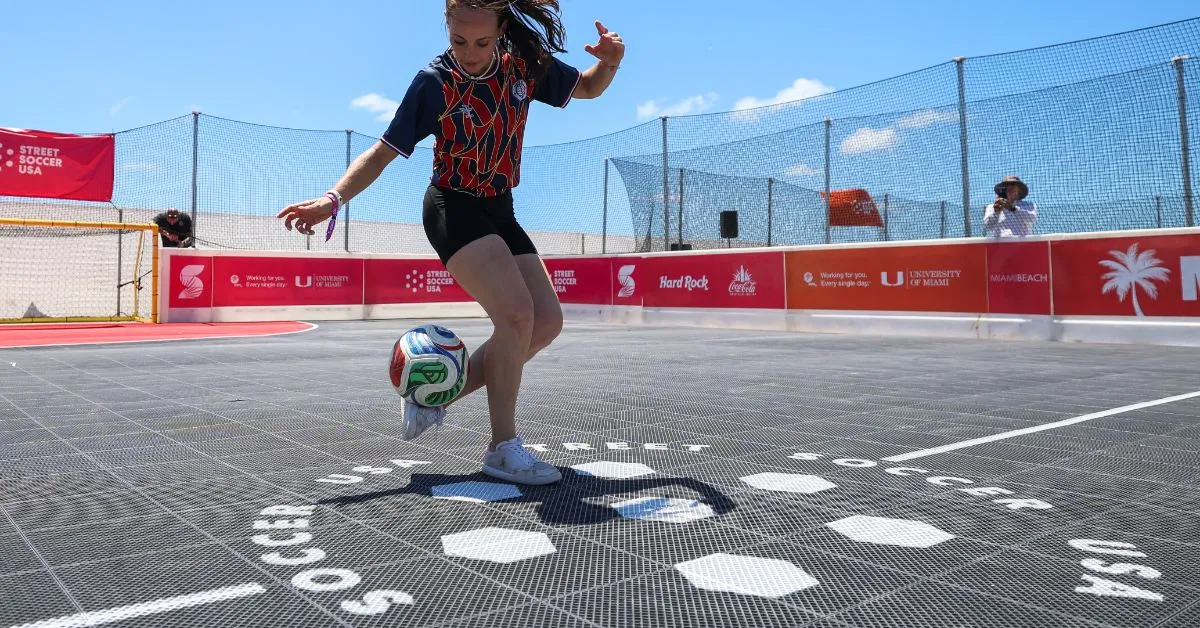
On June 6, over 5,000 soccer players across five countries juggled a ball together for 10 seconds. This global event set a new Guinness World Record. It also raised money to protect soccer fields from extreme weather.
The event was organized by Where Football Lives. This group works to protect future generations of soccer players from climate change. Jenna Lamb, the U.S. Director, explained that soccer belongs to everyone. But extreme heat, floods, wildfires, and bad air quality put the game at risk.
Protecting the Game
Climate change is causing more floods and higher temperatures. This makes it harder for children to play soccer safely outside. Where Football Lives says that families in youth sports are already feeling these effects.
We're a new kind of news feed.
Regular news is designed to drain you. We're a non-profit built to restore you. Every story we publish is scored for impact, progress, and hope.
Start Your News DetoxParents in the U.S. reported that their children lost about one week of practice or games in 2024. This was due to extreme heat, wildfire smoke, floods, and unpredictable winters.
Ali Riley, a professional soccer player from New Zealand, knows this firsthand. She said playing in suffocating heat is a serious health risk. Professional players have medical staff and cooling breaks. But kids on neighborhood fields have no protection. Riley stressed that if local fields aren't protected, the future of the game is at risk.
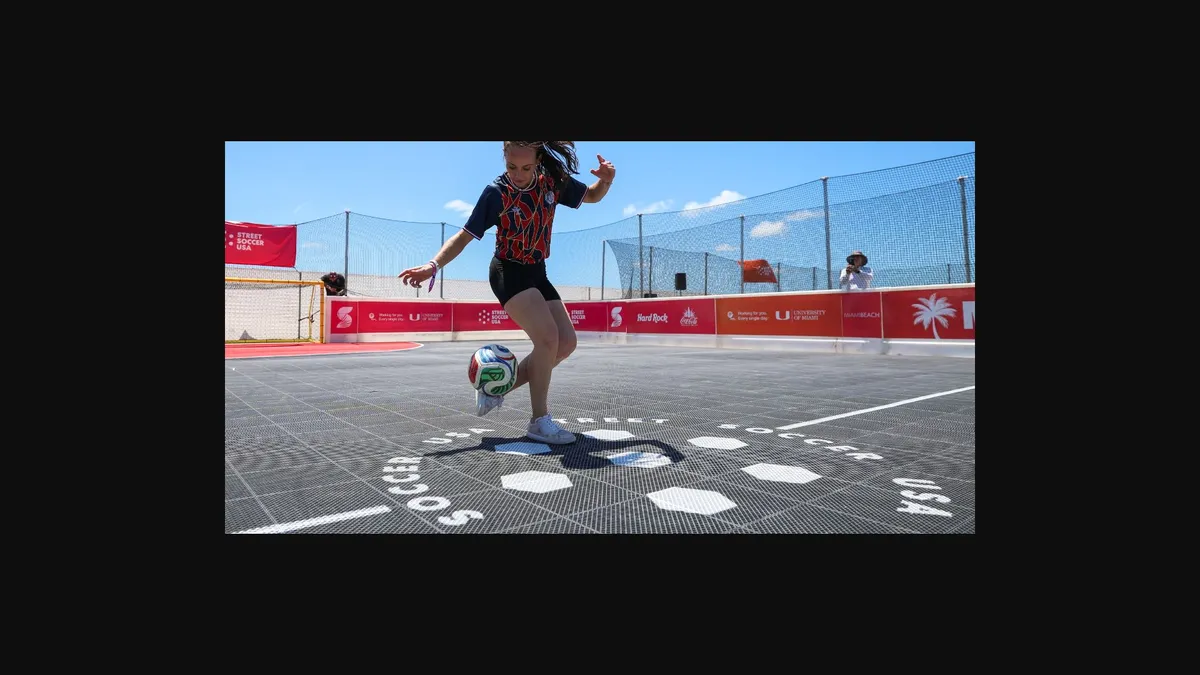 Image courtesy of Tomás Diniz Santos / Getty
Laura Biondo, a world champion football freestyler from Venezuela, also joined the event. She felt this record was special because it helped protect the places where soccer lives. Miami, one of the World Cup host cities, is very exposed to heat.
Image courtesy of Tomás Diniz Santos / Getty
Money from this event will help upgrade soccer fields in the U.S. and Mexico. These upgrades will help fields better handle extreme heat, cold, and floods. Organizers also partnered with the U.S. Soccer Forward Foundation and Football for Future. They launched "adaptation tool kits" to help youth soccer communities worldwide deal with extreme weather.
Lamb noted the timing of the event, just five days before the World Cup. She explained that this World Cup is expected to be one of the hottest on record. Miami, a host city, is also set to be very hot and lacks air conditioning. She emphasized the need to be safe and protect the game.