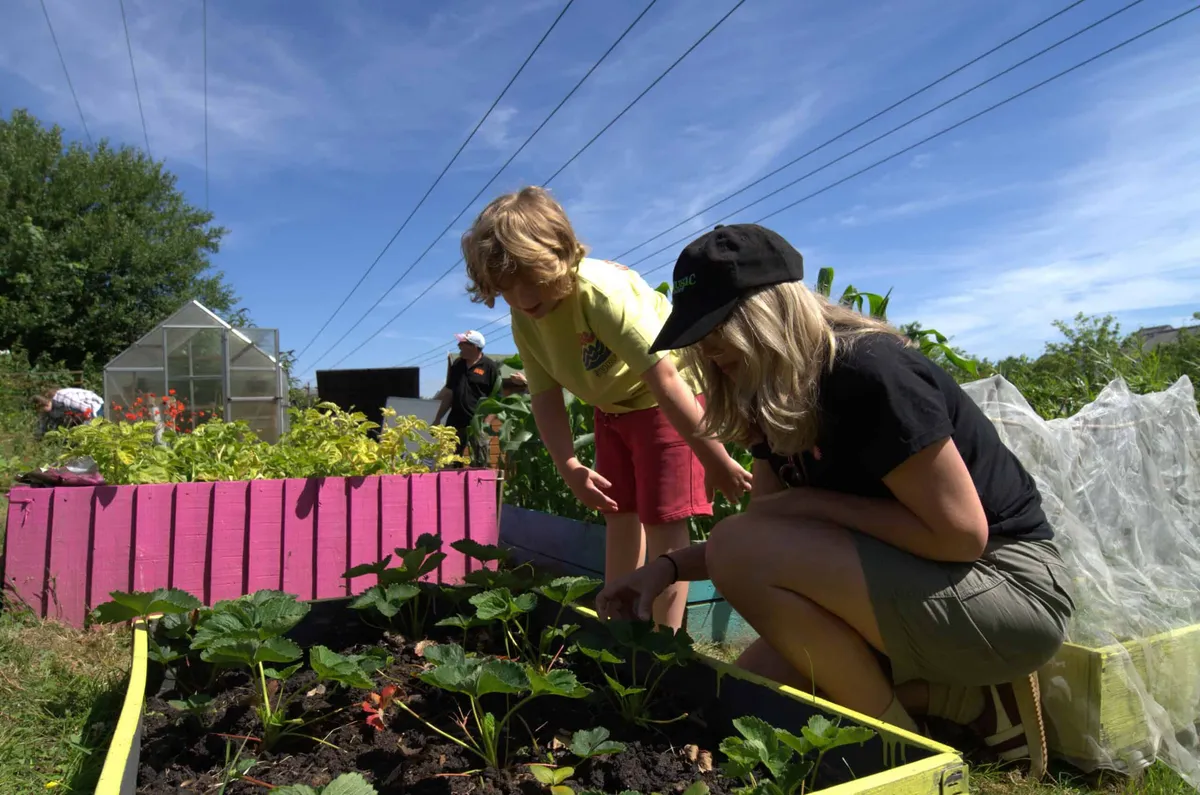
An Isle of Wight festival is changing how events are run. Instead of big-name acts, it focuses on beach cleans, wildlife walks, and community events. These activities celebrate the island's UNESCO Biosphere Reserve status.
As festival costs rise, this island is trying a new approach. There is no main stage, no huge ticket prices, and no famous headliners. Instead, over 100 community-led events happen across various locations. These include beaches, libraries, woodlands, and nature reserves.
Celebrating the Biosphere
The Isle of Wight Biosphere Festival runs from June 27 to July 5. This nine-day event celebrates the island's UNESCO Biosphere Reserve status. Now in its third year, the festival relies on local participation. Groups, artists, and wildlife organizations host their own events under one island-wide banner.
We're a new kind of news feed.
Regular news is designed to drain you. We're a non-profit built to restore you. Every story we publish is scored for impact, progress, and hope.
Start Your News DetoxFestival producer Martha Henson said the main goal was to raise awareness. Many people on the island did not know about their special UNESCO status. The Isle of Wight is one of only seven such reserves in the UK.
This status recognizes the connection between people, wildlife, and the landscape. It also highlights efforts to live more sustainably. Henson noted the festival quickly grew beyond just the designation.
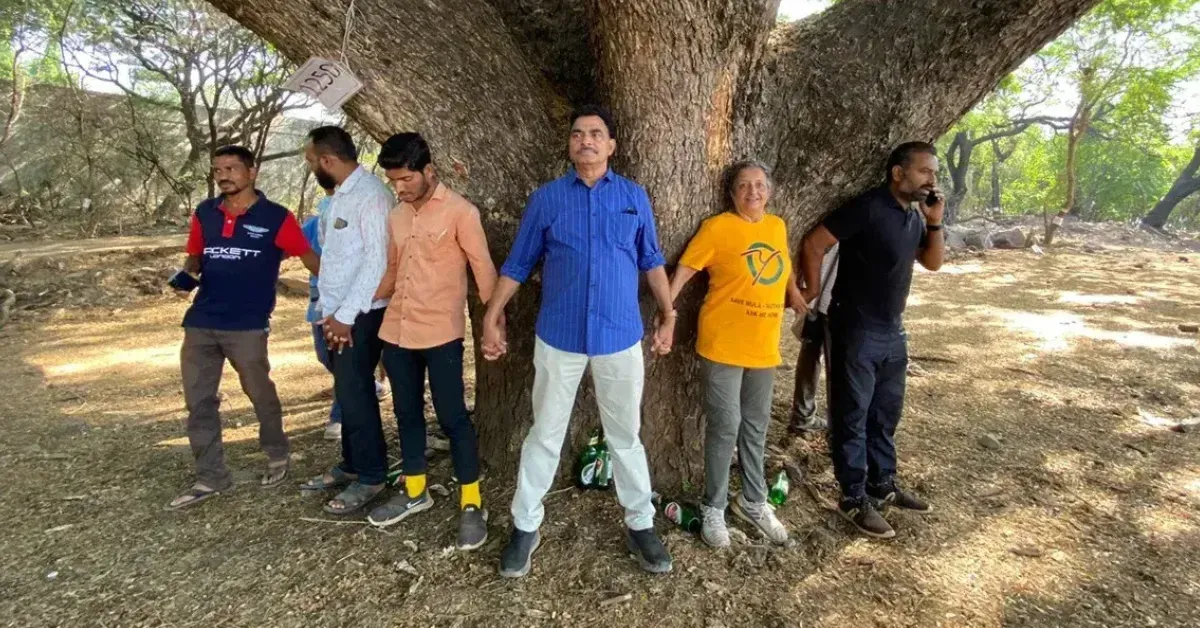
She explained that the island's greatest strength is its community. Their work in conservation, sustainable business, and arts helped achieve the status. The festival has become a way to celebrate and showcase these efforts.
A Different Kind of Festival
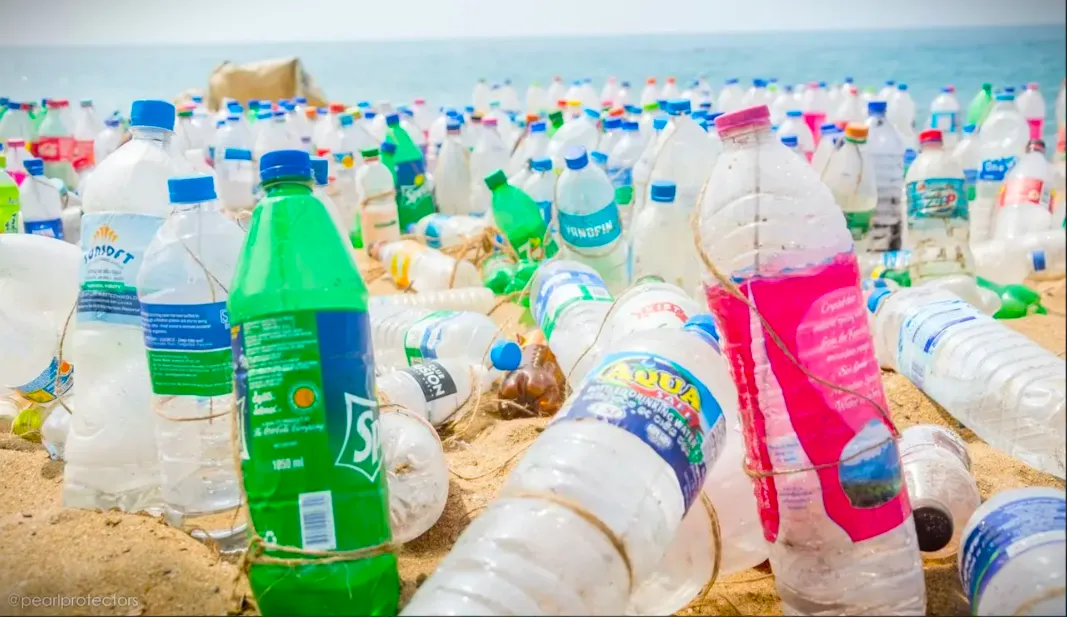
The festival feels more like a living map of local action than a typical event. This year's program includes guided walks, beach cleans, and storytelling. There are also ocean yoga, art installations, and wildlife talks. Most events are free or low-cost.
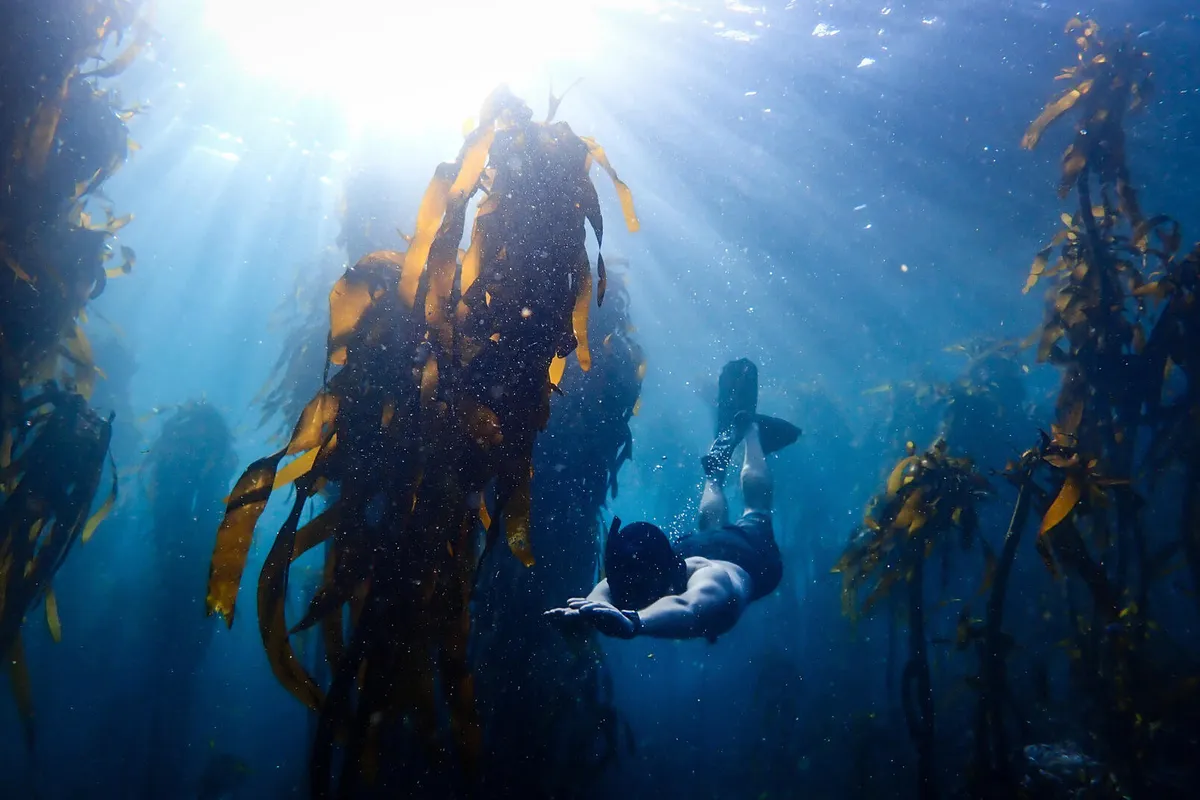
Visitors can learn about marine conservation while enjoying tapas. They can explore historic landscapes at Brading Roman Villa. Other activities include wild fermentation workshops and ocean flow yoga. There's even a UV night walk to see the world through insects' eyes.
Organizers hope this model offers an accessible alternative to commercial festivals. It's especially good for those who prefer smaller, slower events rooted in a specific place.
Henson described the vibe as different from a music festival. She said it's great for people who want to learn and be inspired. It suits those who find large festivals overwhelming.
Funding and Community Impact
Funding this model is challenging. For its first two years, the festival ran entirely on volunteers. It had about £5,000 in small grants and sponsorship. This year, a National Lottery Community Fund grant of nearly £20,000 helped hire coordinators. However, much work still depends on volunteers.
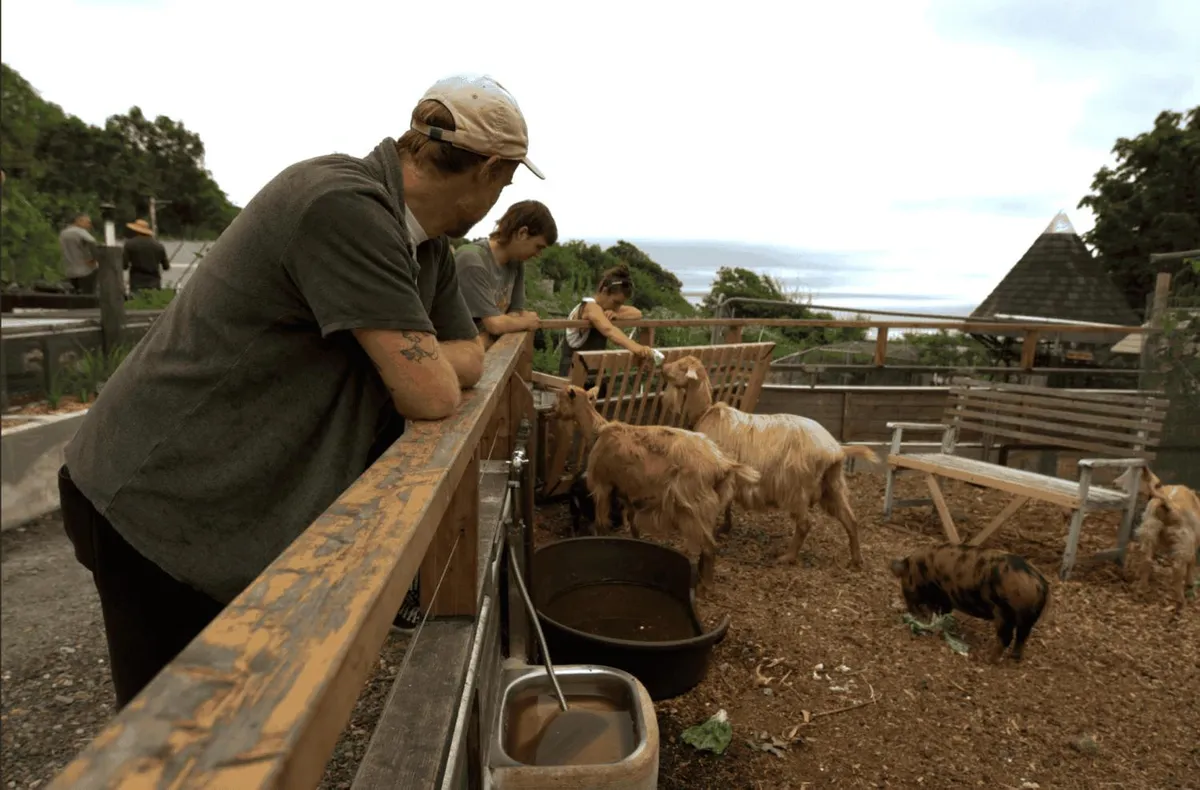
Henson emphasized the goal of keeping ticket prices low for accessibility. She believes asking the community for money to run it would feel like taking away. Instead, the festival aims to celebrate and give back.
The Biosphere Festival shows a different side of the Isle of Wight. It highlights community action, nature recovery, and local knowledge. Henson hopes people leave feeling inspired by what happens when local projects connect.
She noted the festival is also about exchanging ideas. People with similar interests meet, leading to new collaborations. One person called it "nourishment for the soul," which Henson found very rewarding.