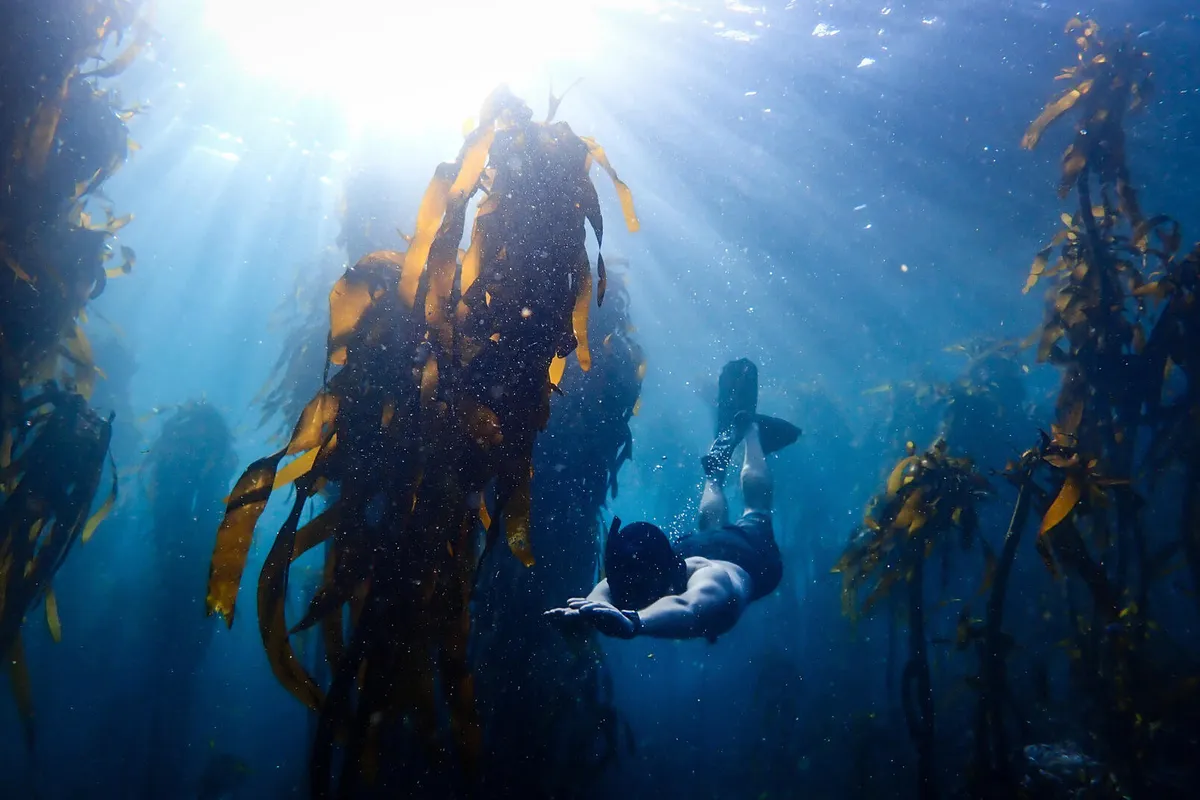
Good news, ocean enthusiasts: We officially hit a major milestone for marine protection in April 2026. A full 10% of the world's oceans are now designated as Marine Protected Areas (MPAs). Let that satisfying number sink in.
This is a big deal, especially as the United Nations put the spotlight on MPAs for World Oceans Day. The ultimate goal, you ask? A rather ambitious 30% by 2030. So, we're a third of the way there, with four years left to protect the remaining 20%. Easy peasy, right?

The Recent Ocean Land Grab (in a good way)
The past year has seen a flurry of activity, with nations scrambling to mark off their underwater territories for conservation. Indonesia and Thailand, for example, collectively added a whopping 284 new marine or coastal protected areas. That's a lot of new no-fishing zones.
We're a new kind of news feed.
Regular news is designed to drain you. We're a non-profit built to restore you. Every story we publish is scored for impact, progress, and hope.
Start Your News DetoxGhana also finally declared its first-ever MPA, the Greater Cape Three Points MPA, after a mere 15 years of bureaucratic heavy lifting. In September 2025, Pakistan stepped up, protecting the Miani Hor Lagoon, a crucial pit stop for such glamorously named birds as Dalmatian pelicans and great black-headed gulls.
But the real showstopper came from French Polynesia. In June 2025, this French territory in the Pacific carved out the world's single largest MPA, a mind-boggling 4.8 million square kilometers (that's roughly 1.9 million square miles). For context, that's bigger than India. All with robust local support, because apparently, even fish need good neighbors.
The Fine Print, Of Course
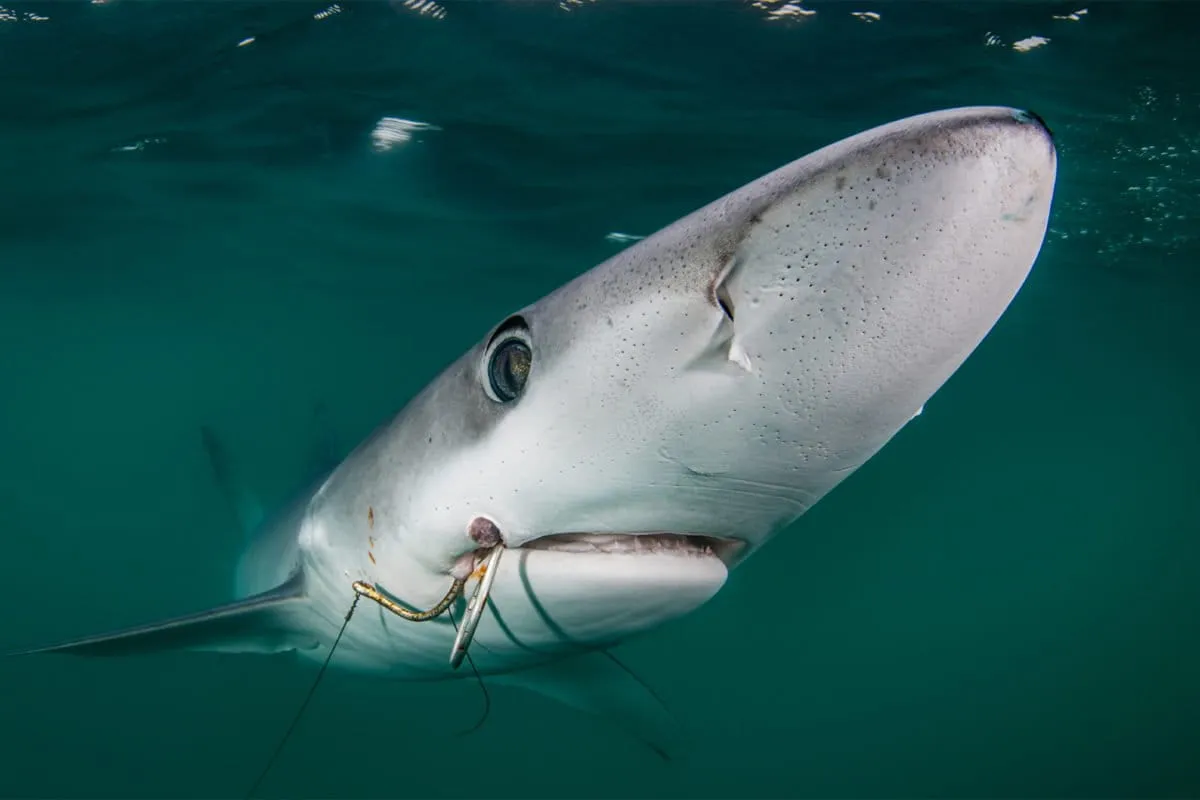
Now, before we all high-five and call it a day, experts are quick to point out that not all MPAs are created equal. Some are more "protected" in name than in practice. Case in point: Many European MPAs still permit bottom trawling. For the uninitiated, that's essentially dragging massive, weighted nets across the ocean floor, scooping up everything in their path like an aquatic bulldozer.
This charming fishing method targets only a handful of species, but a recent study found that these nets actually collect around 3,000 different species as collateral damage. Which, if you think about it, is both impressively indiscriminate and thoroughly depressing. So, while 10% is a great start, the real work might just be beginning.