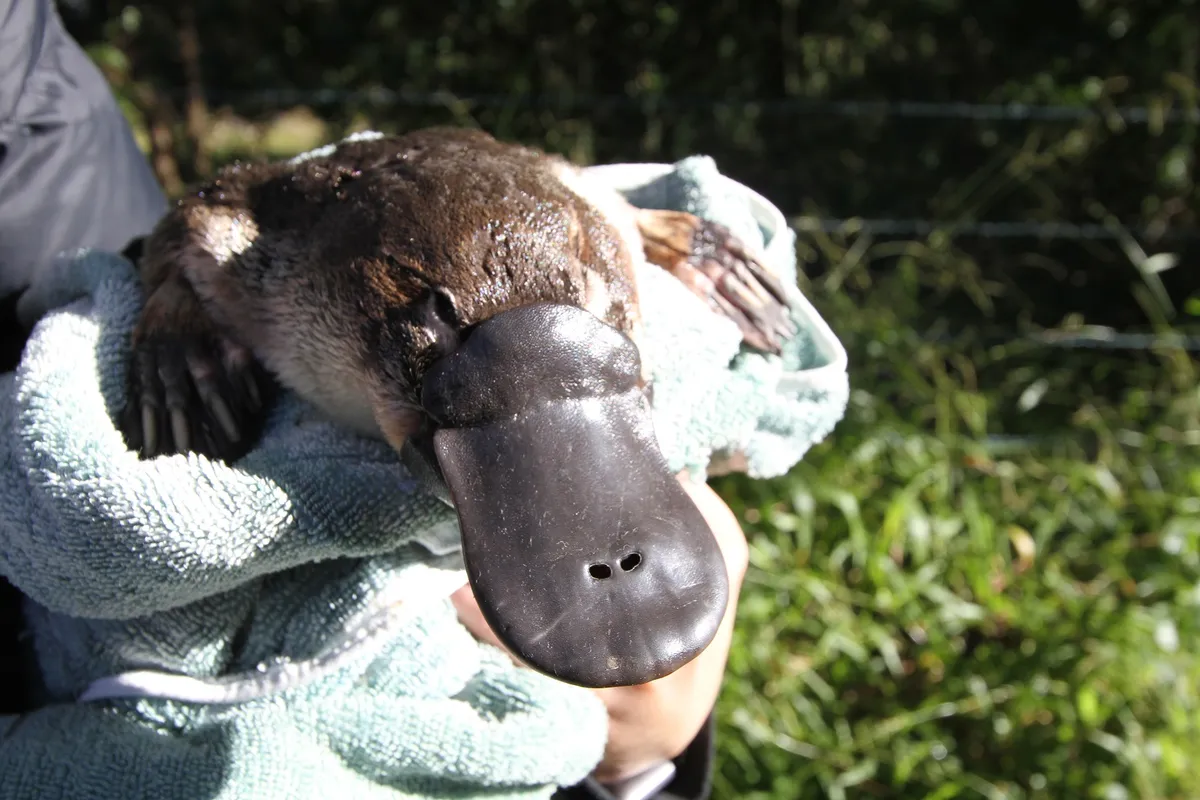
The platypus, a unique Australian animal, offers important lessons for conservation. Before helping a species, it's crucial to know where it lives and what threats it faces.
Counting Platypuses is Hard
Platypuses are difficult to count. They are most active at dawn and dusk and spend much of their lives underwater. They also leave few signs of their presence. This makes it hard to track their numbers and manage their conservation.

The IUCN Red List calls the platypus "near threatened." This is based on an estimated 50,000 animals, but scientists say the real number is uncertain. This uncertainty is a problem as rivers face more threats.
We're a new kind of news feed.
Regular news is designed to drain you. We're a non-profit built to restore you. Every story we publish is scored for impact, progress, and hope.
Start Your News DetoxGrowing Threats to Platypuses
Many things threaten platypuses:
- Droughts can dry up the pools where they feed.
- Bushfires can harm riverbanks and plants nearby.
- Floods can trap animals in their burrows.
- Pollution from wastewater, mining, industry, and city runoff can reduce the aquatic insects they eat.
Solutions for Conservation
Despite these challenges, there is hope. Scientists have created a plan to decide when to help platypuses in their current homes and when they might need to be moved. Zoos are also getting ready to help in emergencies, like caring for animals affected by drought, fire, or flood.
Citizen science is also filling in missing information. Projects that map platypus sightings show where they are still found. Environmental DNA (eDNA), collected from water samples, can detect platypuses without needing to trap them. This helps conservationists understand their populations better.