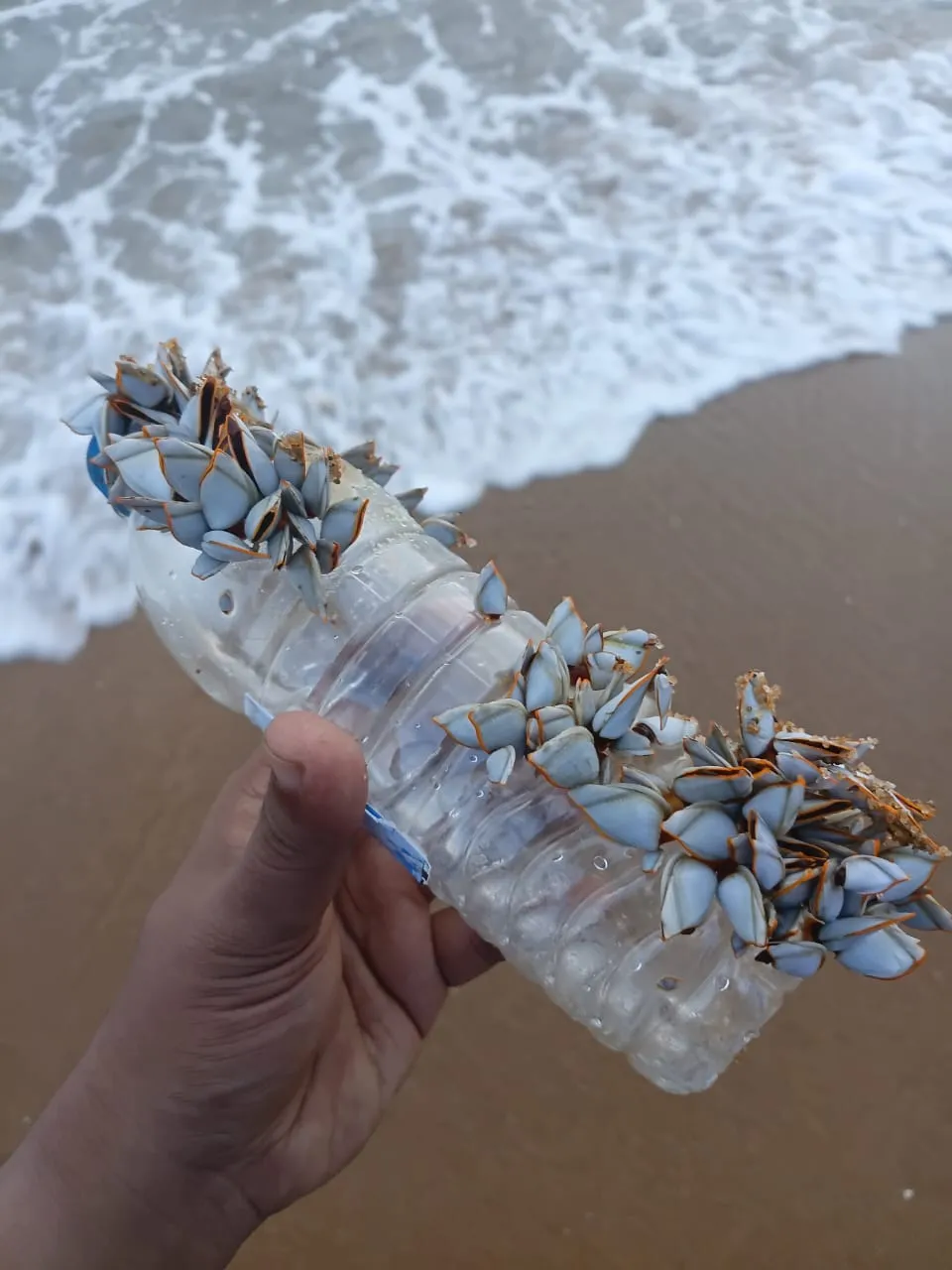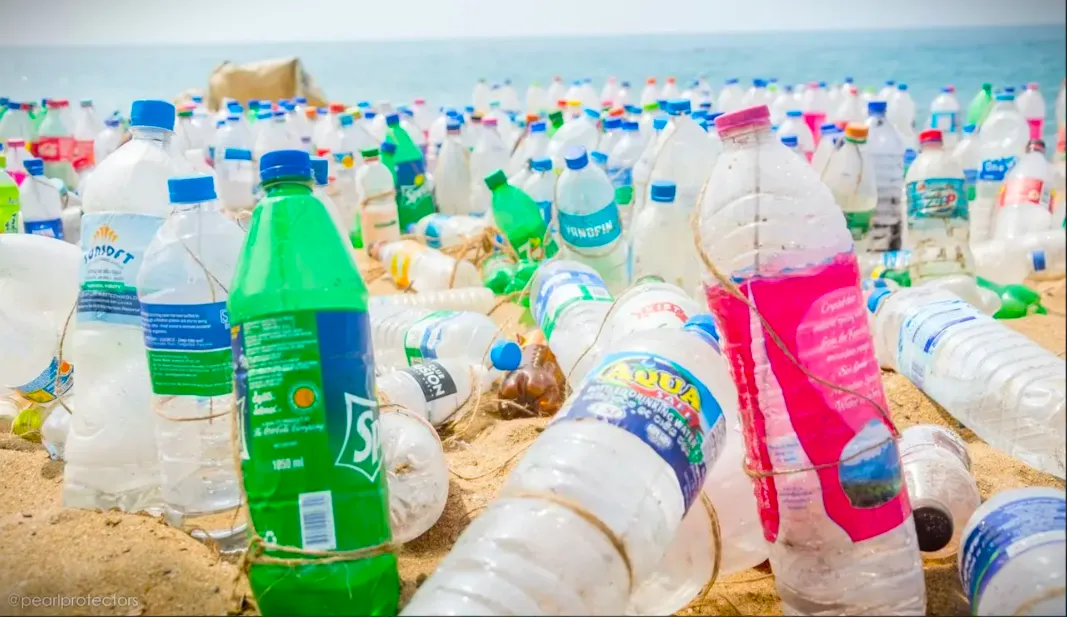
Good news for anyone who's ever looked at a pile of discarded plastic bottles and sighed: Sri Lanka is officially telling its government offices to break up with single-use plastic water bottles. As of May 31st, public institutions can no longer buy or use them. It's a move designed to lighten the load on the island nation's increasingly burdened waste systems and, hopefully, its stunning beaches and waterways.
Because apparently, the government realized that if you want to tackle plastic pollution, you might as well start in your own office. Kapila Rajapaksha, head of the Central Environmental Authority, confirmed the new rule applies to all public institutions, pushing them toward reusable alternatives and better water infrastructure. Which, if you think about it, is both practical and slightly overdue.

The Plastic Mountain
Sri Lanka faces a truly staggering plastic problem. A recent report from 2024 revealed the country churns out roughly 250,000 metric tons of plastic waste every single year. Let that number sink in. That's a lot of plastic.
We're a new kind of news feed.
Regular news is designed to drain you. We're a non-profit built to restore you. Every story we publish is scored for impact, progress, and hope.
Start Your News DetoxAnd how much of that gets recycled? A mere 27,000 metric tons annually, or about 11%. The rest? Well, 68,000 metric tons (27%) simply goes uncollected, often ending up burned, buried, or illegally dumped. Another 101,000 metric tons (41%) just vanishes somewhere between collection and disposal. It's the kind of statistical black hole that makes environmentalists raise a very concerned eyebrow.
So, while the new ban on government plastic bottles is a commendable step, the real challenge, as many environmentalists point out, will be in the follow-through. Because getting a government to change its habits is one thing; getting an entire nation to tackle a quarter-million-ton plastic mountain is quite another.