Today, we're taking a look at how intelligence, in its many forms, is being put to good use—from the subtle mechanisms in our own minds to the grand designs for space. We’re watching brains, both biological and technological, figure out some genuinely tricky problems.
The Unsung Genius of Disappointment
Ever wonder why you eventually stop reaching for that second cookie? Scientists at the University of Geneva just offered a compelling answer. They found that disappointment is the brain’s secret weapon against bad habits. When an expected reward doesn't materialize, a surge of acetylcholine washes over the brain, essentially telling it, "Hey, that wasn't worth it." This isn't about willpower; it's about a built-in neural mechanism that helps us adapt and pivot away from behaviors that don't deliver. It's the brain’s elegant way of course-correcting, making us surprisingly efficient learning machines. 
What this means for you: Next time you feel a pang of disappointment, consider it your brain doing its best work, nudging you toward something better.
We're a new kind of news feed.
Regular news is designed to drain you. We're a non-profit built to restore you. Every story we publish is scored for impact, progress, and hope.
Start Your News DetoxNASA's Grand Unifying Theory of Everything (Space-Related)
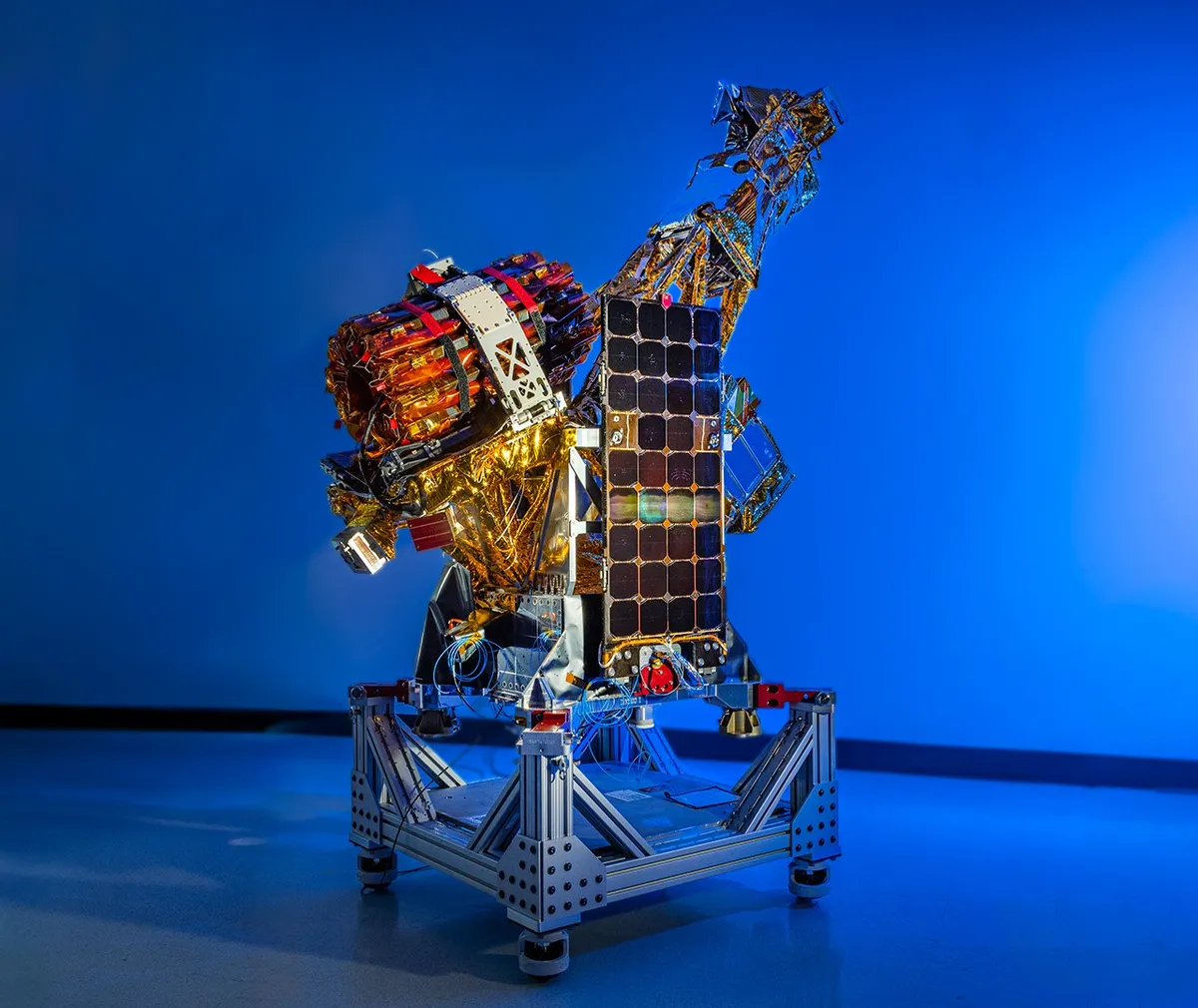
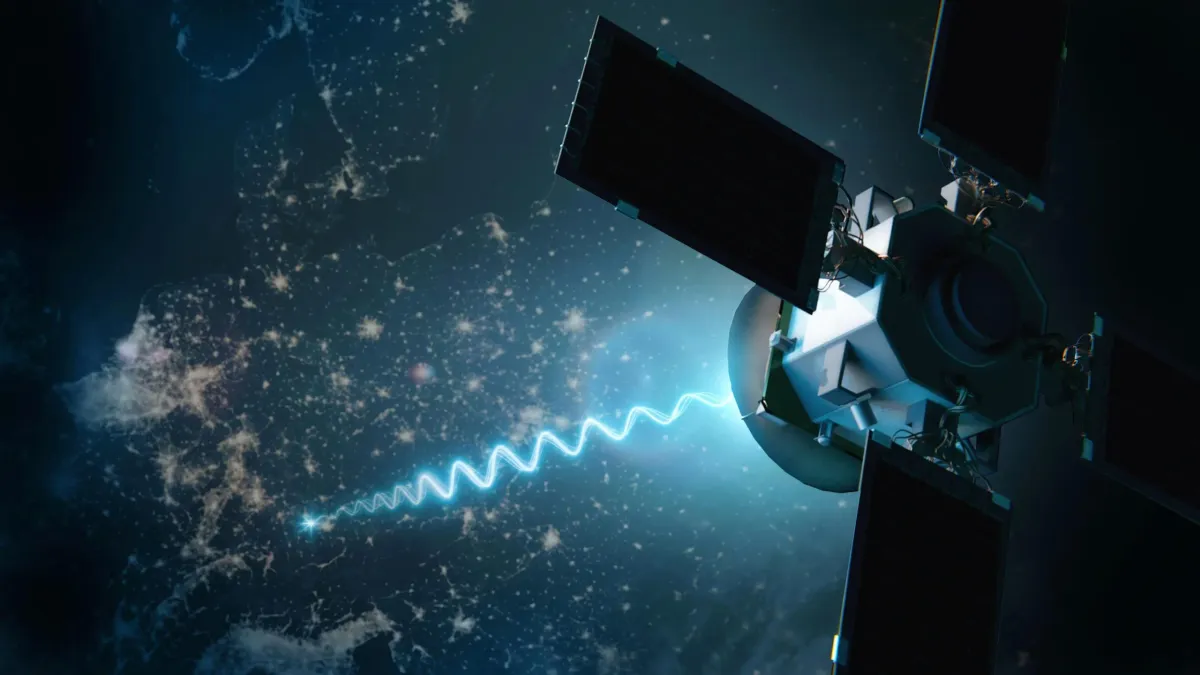
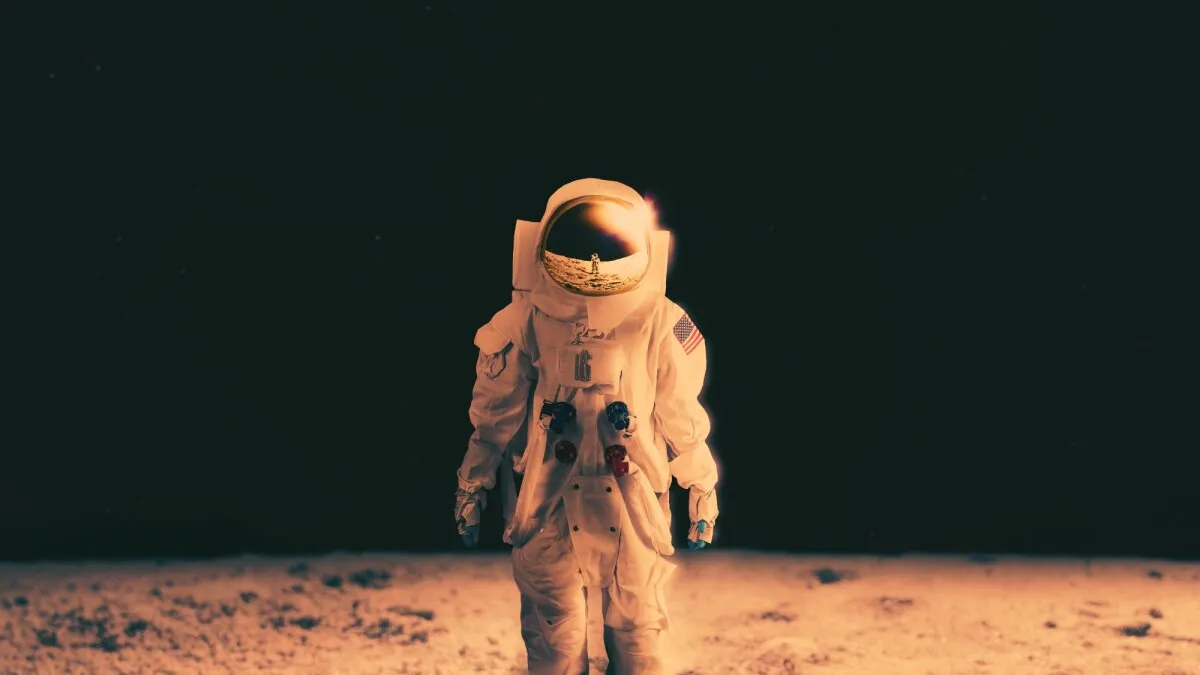
Meanwhile, up in the actual heavens, NASA is making it easier for everything to talk to everything else. They've just unveiled the 'Space Internet' we didn't know we needed. Their experimental Polylingual Experimental Terminal (PExT) completed its primary technology demonstration, proving spacecraft can now seamlessly switch between multiple communication networks. Think of it as Wi-Fi roaming, but for satellites. This isn't just about convenience; it's about resilience and redundancy, making future missions—like building habitats on the Moon—significantly more robust. And speaking of which, NASA is also simulating Moon missions like The Sims, but with higher stakes, mapping out not just the engineering but the psychological challenges of lunar living. Then there are the new satellites that will watch storms like never before. In 3D, promising unprecedented insights into weather patterns. It's a concerted effort to weave together a more intelligent, interconnected, and comprehensive understanding of space and our place in it.
What this means for you: The future of space exploration is looking less like a series of isolated missions and more like a connected, resilient ecosystem, which bodes well for anyone hoping to see humanity reach for the stars.
"World Oceans Day is celebrated every June 8 to raise awareness about the conservation of Earth’s oceans. In honor of World Oceans Day 2026, the United Nations is focused on marine protected areas (MPA), and the goal of protecting 30% of the world’s oceans by 2030. The world collectively reached a th" — Read the full story
The Planet Is Getting Smarter, Too
While we're busy upgrading our brains and our satellites, the planet itself is getting a bit of a glow-up. On World Oceans Day, we learned that we just hit 10% ocean protection, reaching a key milestone toward the ambitious goal of 30% protection by 2030. It's a slow climb, but a climb nonetheless. And in a charming twist of ecological fate, researchers in Germany discovered that solar panels are turning peat bogs into bird sanctuaries. It turns out these re-wetted lands, beneath solar installations, create unique habitats for various bird species, proving that sometimes, the most intelligent solutions are the ones that serve multiple purposes. 
What this means for you: Even seemingly disparate efforts—from protecting oceans to generating clean energy—can align to create a more resilient and biodiverse world.
Hope stat: 10% — the proportion of the world's oceans now under protection, a significant step towards the 2030 goal.
Watch this space: Keep an eye on how these interconnected innovations in space and on Earth continue to build momentum, especially as we approach those ambitious environmental deadlines.