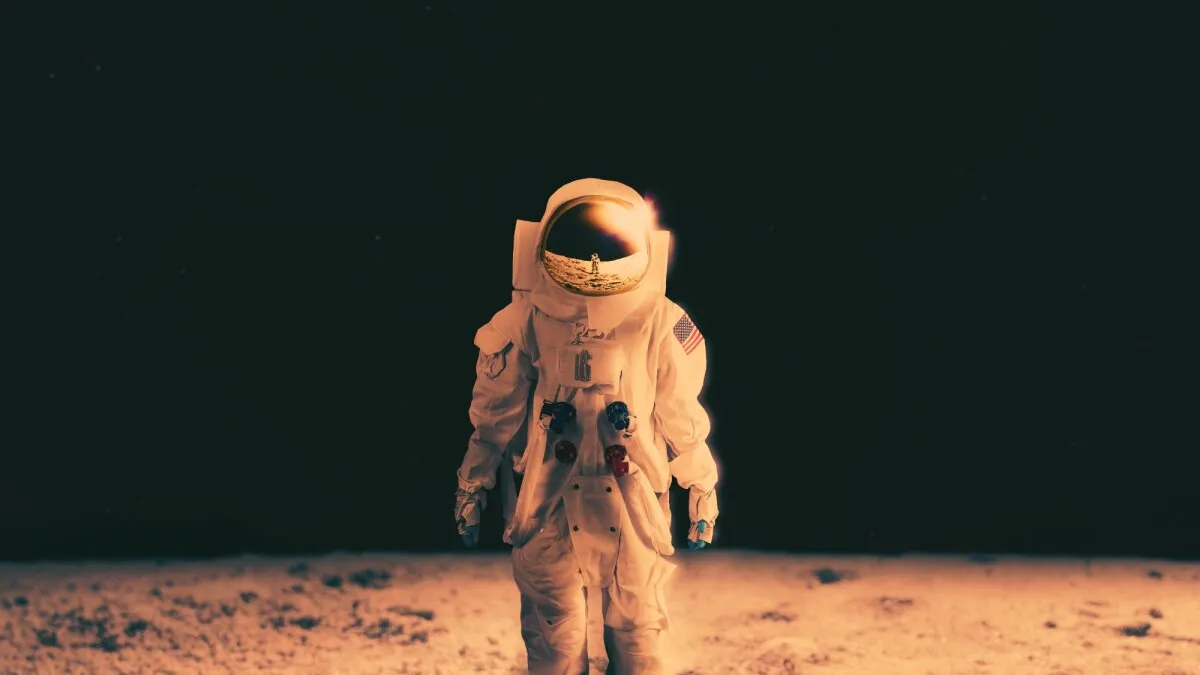
NASA wants to put humans on the Moon permanently. Great! They're building the tech, figuring out how to get oxygen from lunar dust, and generally making sure we don't just float off into the void. But there's one tiny, overlooked detail: what happens when your astronaut roommate starts getting on your nerves 24/7, a quarter-million miles from Earth?
That's where a team from George Mason University comes in. They've built a simulation that's basically The Sims for space, but instead of worrying about your Sim's bladder, they're predicting psychological meltdowns that could doom a lunar mission. Because, as lead researcher Raymond Vera dryly observed, a "catastrophic scenario might begin with something as simple as interpersonal conflict."
Your Virtual Moon Crew
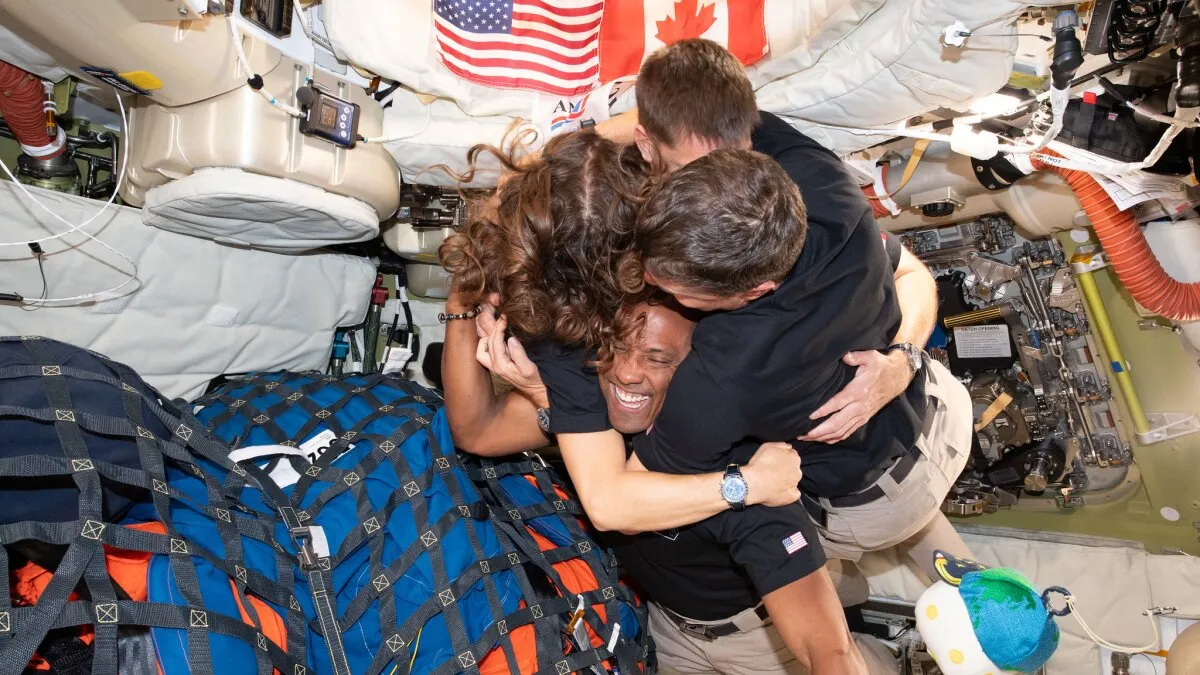
NASA's Artemis program isn't just a quick visit; it's about establishing a lasting human presence on the Moon's south pole, a crucial pit stop before Mars. And while they'll select astronauts with the mental fortitude of a superhero, even superheroes can get grumpy when stuck in a tin can with the same five people for months on end.
We're a new kind of news feed.
Regular news is designed to drain you. We're a non-profit built to restore you. Every story we publish is scored for impact, progress, and hope.
Start Your News DetoxSo, Vera and his team developed an "agent-based model" (ABM). Think of it as a digital dollhouse where virtual astronauts, each with their own personality, skills, and health stats, interact under the brutal conditions of a lunar base. They ran tens of thousands of simulations, testing everything from crew size to mission duration. The findings? Bigger crews generally fared better due to more personality compatibility. But the longer the mission, the higher the chance someone would eventually snap.
Because when you're talking about air, water, and food production on the Moon, a conflict or a dip in morale isn't just awkward; it could mean a literal shortage of breathable air. "These problems can compound over time," Vera noted, reducing operational effectiveness and potentially leading to mission failure or even, well, the very worst.
Antarctic Prep for Lunar Life
The simulation wasn't just pulled from thin air. The researchers fed it data from past space missions and, crucially, from teams working in extreme Earth environments. One key study involved scientists and engineers who spent over 100 days in Antarctica's Lambert Glacier Basin, living in mobile quarters.
Vera pointed out the eerie similarities: isolation, confinement, environmental dangers, and a heavy reliance on teamwork. All the ingredients for a reality TV show, but with actual scientific discovery at stake. This helped the model accurately predict the complex social, emotional, and cognitive factors at play.
So, while NASA is busy engineering the hardware, these researchers are figuring out the software — the human element. Future Artemis astronauts might sleep a little sounder knowing that every possible aspect, including who might leave dirty dishes in the lunar sink, has been simulated. Because apparently, even in space, the biggest challenges often come from within the crew.