For years, scientists have looked at the sticky protein clumps in diseases like Huntington's, Alzheimer's, and Parkinson's and thought, "Yep, those are the bad guys." They gum up the works, kill brain cells, and generally make a mess.
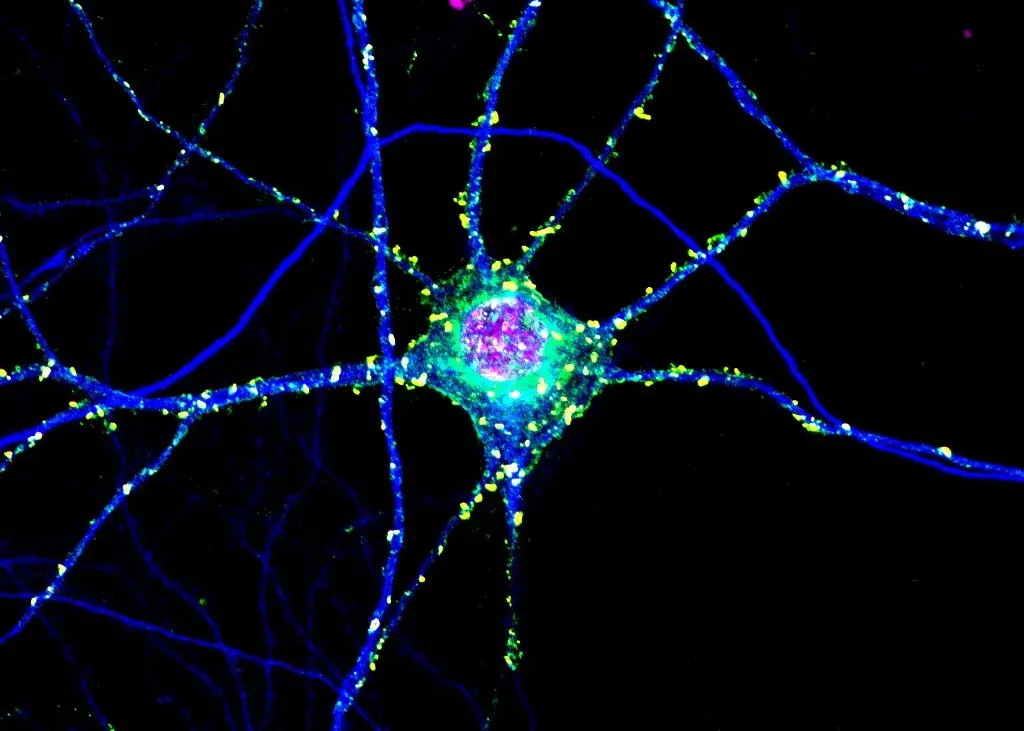
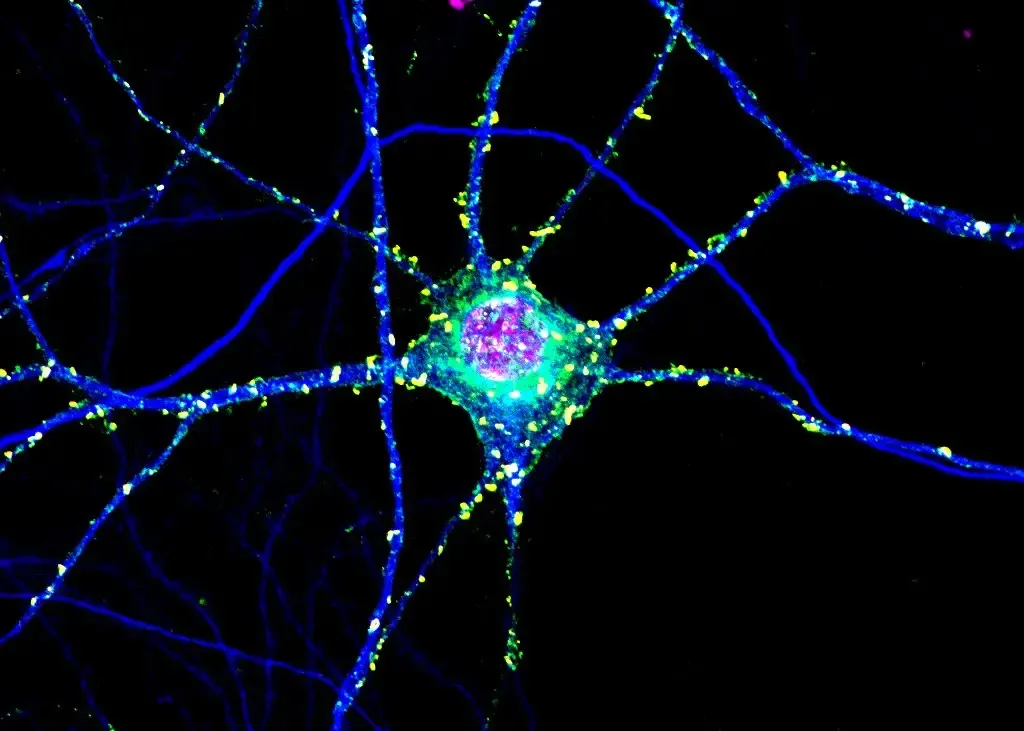
But what if those brain-clogging clumps, at least initially, are actually a neuron's last line of defense? A new study out of Hebrew University of Jerusalem suggests these so-called "inclusion bodies" might be doing exactly that: quarantining the bad stuff to protect the rest of the cell.
The Brain's Unexpected Bouncers
Think about it: for decades, the standard scientific playbook was to get rid of these clumps. Yet, drugs designed to clear them out haven't exactly been blockbuster successes. This led some researchers to wonder if they were missing a chapter in the story.
We're a new kind of news feed.
Regular news is designed to drain you. We're a non-profit built to restore you. Every story we publish is scored for impact, progress, and hope.
Start Your News DetoxTurns out, they might have been. The new research found that when cells formed these inclusion bodies, they became more resilient to stress. When the scientists stopped the clumps from forming, the cells became significantly more vulnerable. Which, if you think about it, is both impressive and slightly terrifying for all those past drug trials.
These inclusion bodies also seem to be pulling double duty, influencing genes related to brain inflammation, even without immune cells present. The team zeroed in on a "master regulator" gene called ATF3, which helps manage immune responses. Remove ATF3, and the protective effect of the clumps largely vanished.
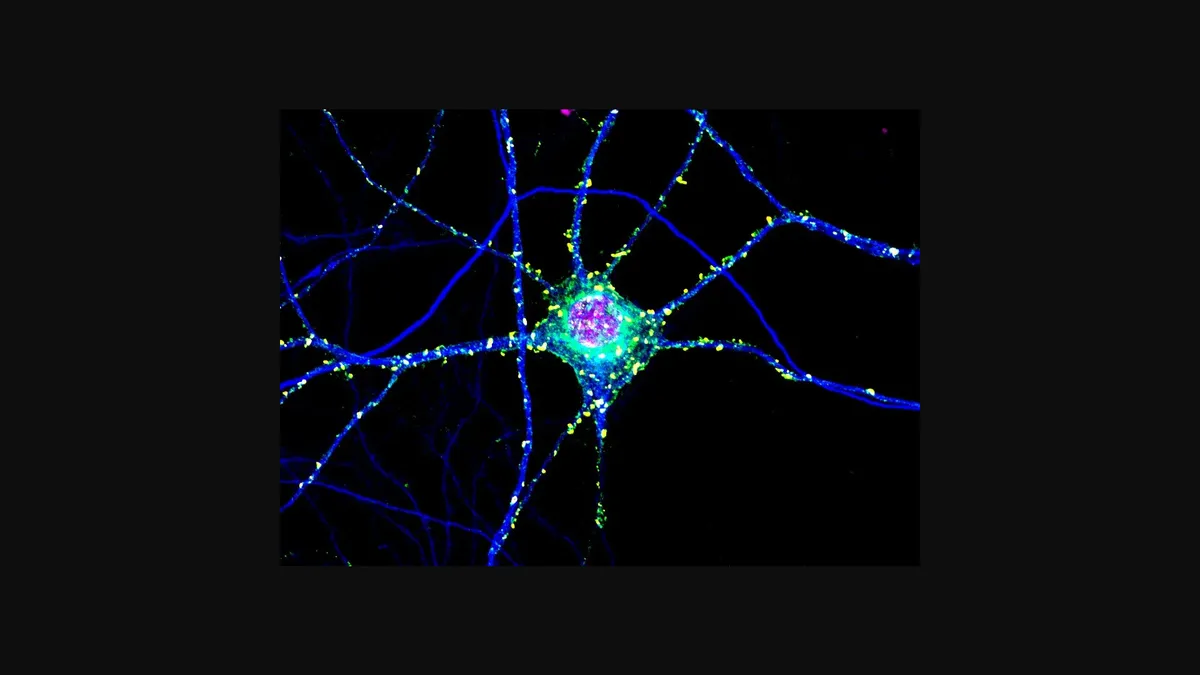
As study author Eran Meshorer put it, these structures aren't just "disease byproducts." They're central to how cells protect themselves from stress. So, less of a villain, more of an overworked bouncer trying to keep the peace.
The Misfolded Problem Child
Many neurodegenerative diseases involve these misfolded proteins. In Alzheimer's, you've got tau inside the neurons and amyloid between them. In Parkinson's and ALS, similar protein mischief affects movement and muscle control.
Huntington's is a bit different because it's purely genetic. A faulty gene creates a protein that's been copied too many times, turning it into a sticky, misfolded mess. This mutant protein then aggregates into those inclusion bodies.
To test their theory, researchers used gene editing to reduce the faulty gene repeats in cells from Huntington's patients. They then tracked protein clumping. When exposed to stress, the cells that formed clumps survived "strikingly" better. It seems these inclusion bodies are like the brain's internal hazmat team, walling off the toxic proteins.
And that ATF3 gene? It appears to be key. Cells with inclusion bodies had more ATF3, which regulates inflammation. Take ATF3 out of the picture, and neurons couldn't form those protective clumps, leaving them exposed.
Now, this is early-stage research, and lab results don't always translate directly to human treatments. But if these findings hold true — and perhaps even extend to other brain diseases like Alzheimer's — it could completely flip the script on how we approach treatment. Instead of always fighting the clumps, we might learn to work with the brain's own surprising defense mechanisms. Because apparently, even the bad guys can sometimes be the good guys.