Black holes usually get all the press for being cosmic vacuum cleaners, sucking up everything in sight. But sometimes, even a black hole needs a nap. They run out of cosmic snacks and go dormant, becoming incredibly difficult for astronomers to spot.
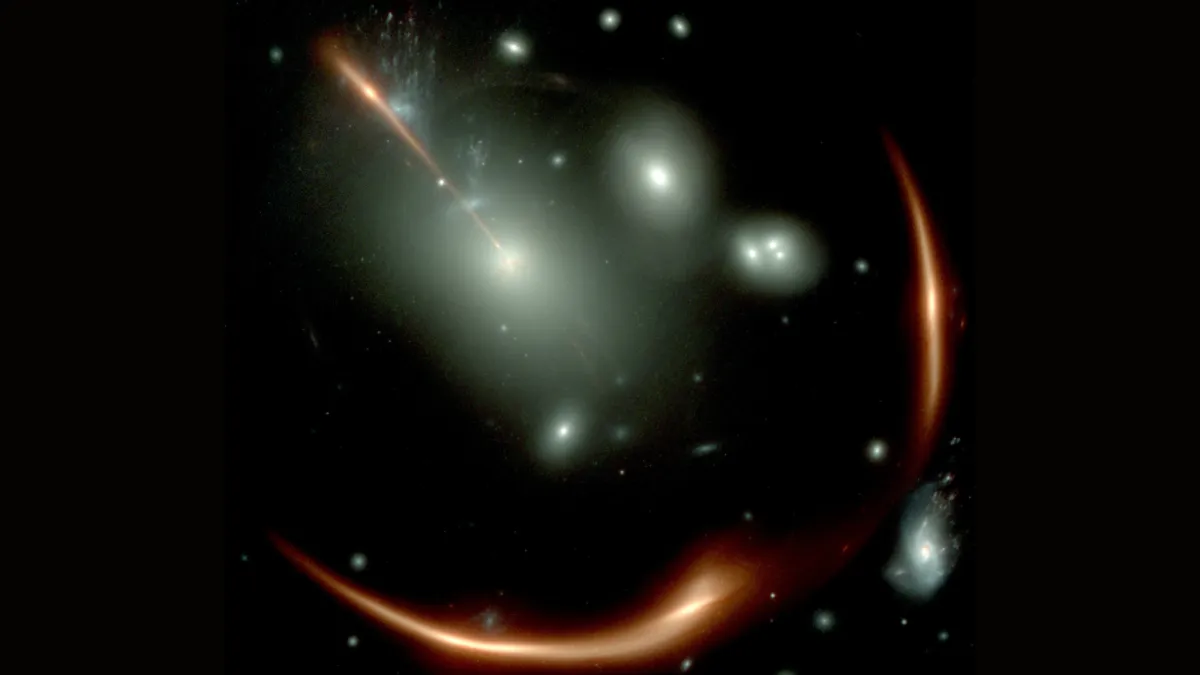
Which is precisely why the latest discovery from the James Webb Space Telescope is so delightfully baffling: researchers just found the most distant dormant black hole ever seen. It's chilling out in a galaxy called MRG-M0138, a cool 10 billion light-years from Earth. That’s 15 times farther than the previous record holder, making it less of a discovery and more of a cosmic peek into the universe's baby pictures.
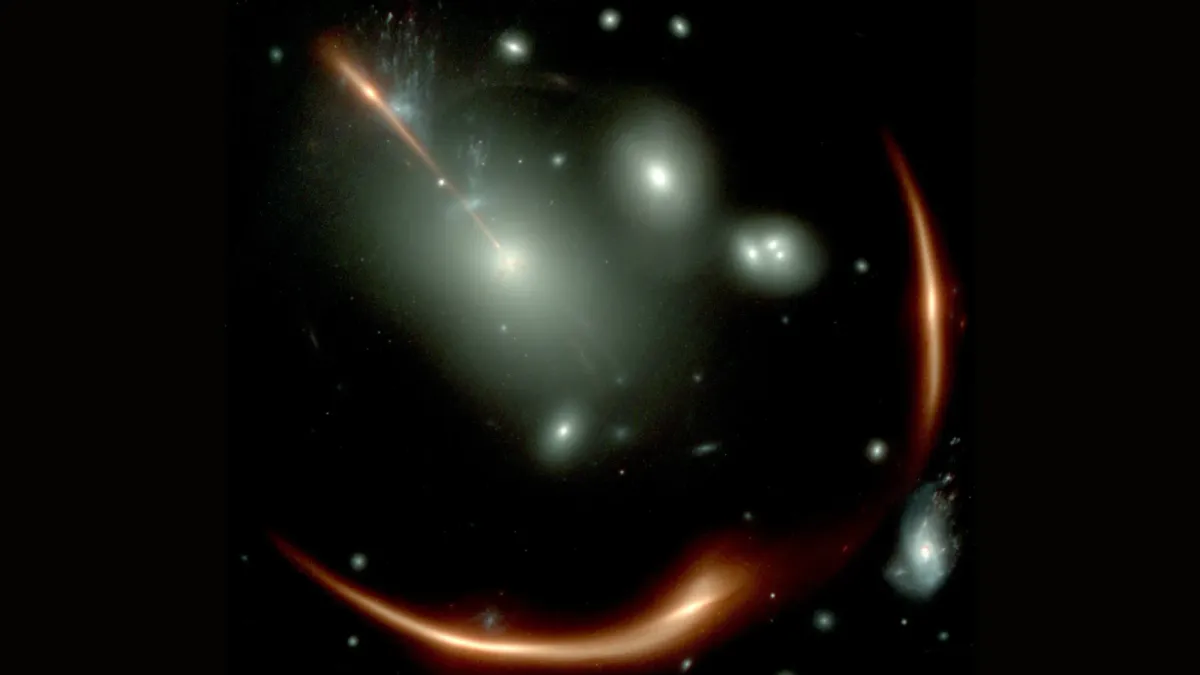
Now, spotting a black hole that far away is usually like trying to find a specific grain of sand on a beach while blindfolded and on another planet. But the team had a trick up their sleeve: gravitational lensing. Another galaxy, perfectly positioned between Earth and MRG-M0138, acted like a giant cosmic magnifying glass. It bent the light from the distant galaxy, making it appear 30 times larger.
We're a new kind of news feed.
Regular news is designed to drain you. We're a non-profit built to restore you. Every story we publish is scored for impact, progress, and hope.
Start Your News DetoxThis stellar optical illusion allowed the JWST to use a technique called "stellar dynamics," which basically means watching how stars zoom around an invisible black hole to figure out its mass. It's a method usually reserved for much closer cosmic neighbors, even our own Milky Way. But thanks to that helpful lensing galaxy, they could actually track the stars and calculate the sleeping giant's gravitational heft.
Andrew Newman, a co-author from Carnegie Science, put it dryly: combining JWST data with gravitational lensing let them "see inside the black hole’s area of influence." Which, if you think about it, is both impressive and slightly terrifying.
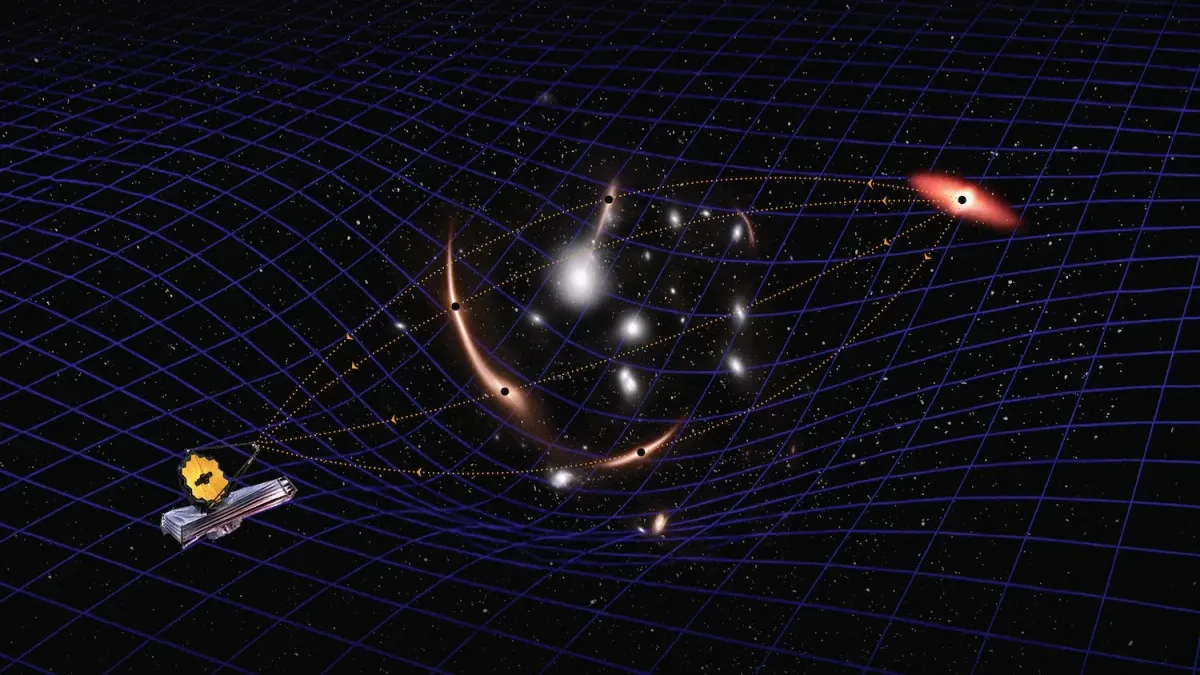
This particular slumbering behemoth is about six billion times more massive than our sun. It existed when the universe was a mere three billion years old — a quarter of its current age. So, yes, we're essentially looking at a black hole that's been dormant for most of cosmic history. Also, its entire galaxy, MRG-M0138, is equally quiet, with no new stars forming. The prevailing theory? It was once a quasar, which are basically the universe's most dramatic light shows.
This new cosmic detective work means astronomers can now get a much clearer picture of how black holes evolve and shape galaxies over billions of years. Because apparently, even when they're sleeping, black holes still have a lot to say about the universe.