For decades, the prevailing wisdom on migratory songbirds was pretty straightforward: they were snowbirds with feathers. Fly south from the chilly north, spend winter in the tropics, then head back home to breed. End of story. Most research focused on their dramatic journeys and breeding grounds, treating their time in warmer climes as a mere layover. They were just passing through, temporary residents who didn't really belong to the lush tropical forests.
Then came the patient, quiet work of catching, banding, and watching. Lots of watching. In the forests of southern Mexico, a different narrative began to emerge. Individual birds, the supposed transients, weren't just randomly flitting about. They returned to the exact same spots, year after year, aggressively defending their prime feeding territories. They were, in fact, integral, organized members of these tropical bird communities for months on end. A bird that looked like a fleeting visitor was actually a dedicated snowbird with a very specific winter condo.

This meant the old story — that migration was solely about escaping northern winters — didn't quite hold up. Instead, what if the whole thing started in reverse? What if the roots of migration were actually in birds dispersing out from warmer regions, gradually extending their ranges to find seasonal food and new breeding grounds?
We're a new kind of news feed.
Regular news is designed to drain you. We're a non-profit built to restore you. Every story we publish is scored for impact, progress, and hope.
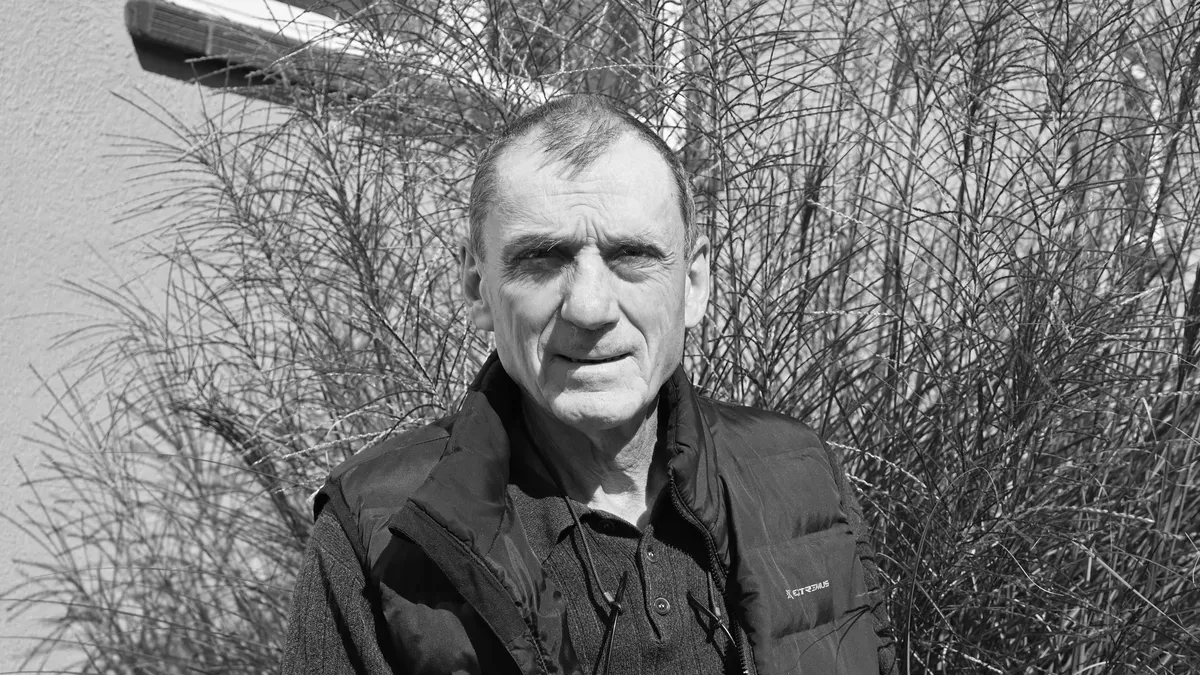
Start Your News DetoxThis radical idea became the life's work of John Hilton Rappole, a Smithsonian ornithologist who recently passed away at 79. He spent much of his career meticulously developing what's now known as the dispersal theory of bird migration. It was a direct challenge to the comfortable, long-held explanation for why billions of birds embark on their epic, continent-spanning flights. Rappole's legacy isn't just a theory; it's a testament to the power of long-term field observation, a willingness to question dogma, and the sheer grit to defend an idea for decades. Because sometimes, the obvious answer isn't the right one, and you need someone willing to spend a lifetime proving it.