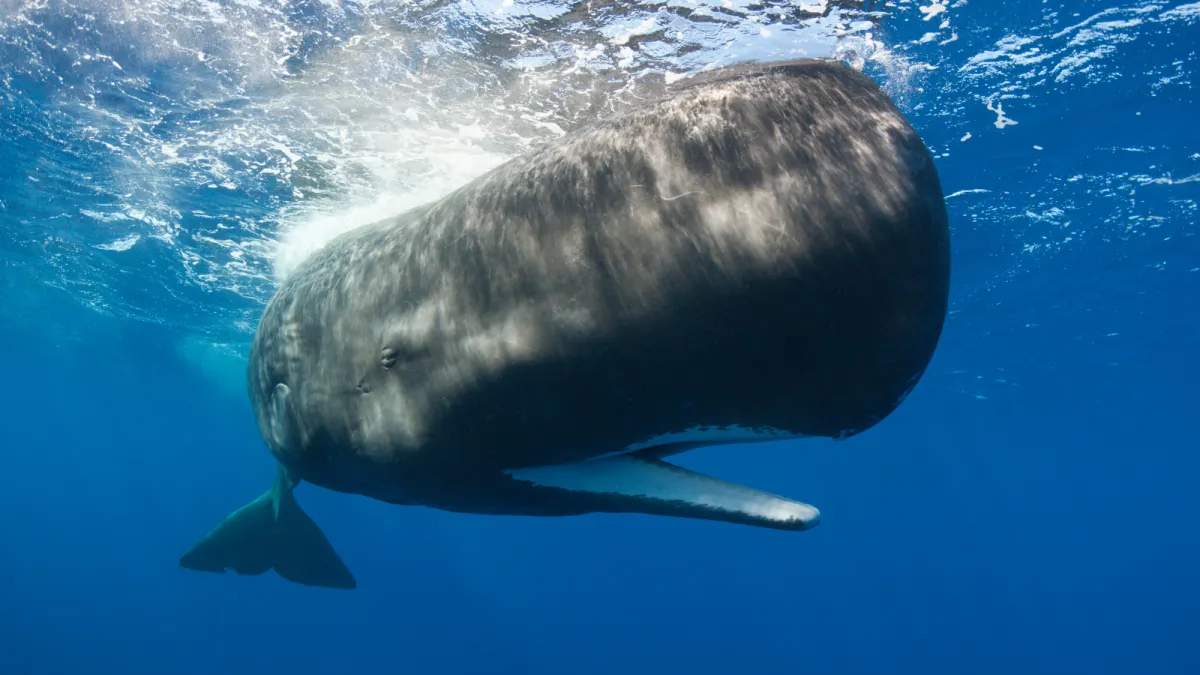
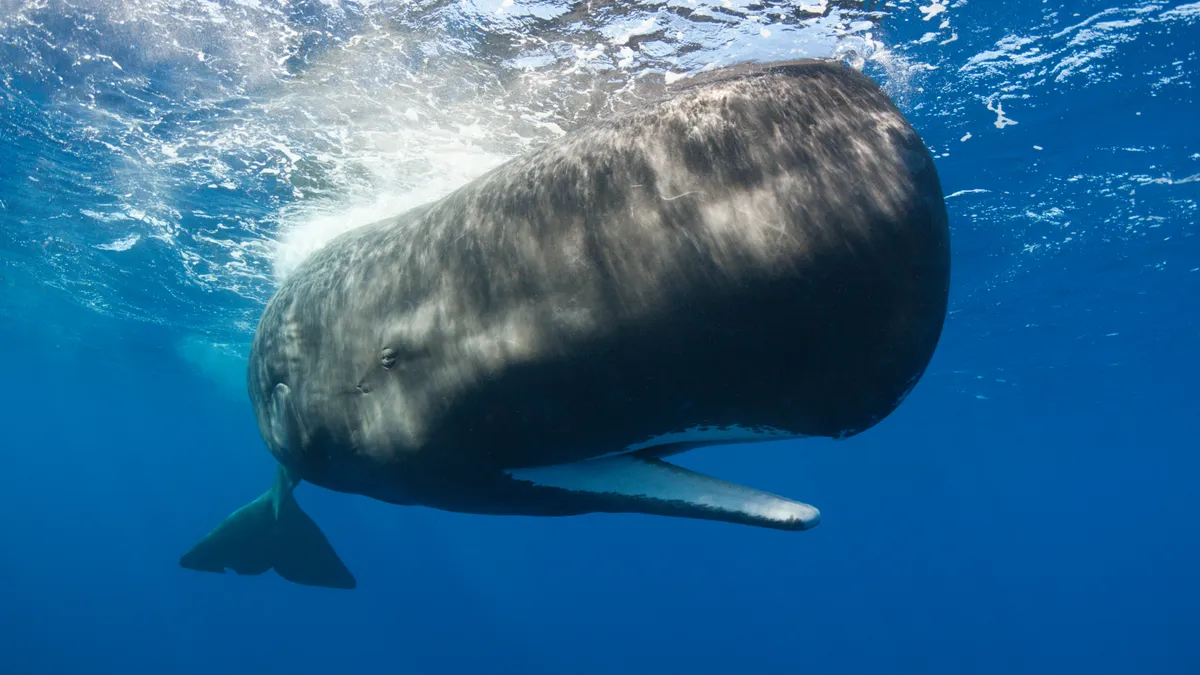
Turns out, when a ship rumbles into their neighborhood, sperm whales start talking faster. Specifically, they shorten the time between their signature clicks and shift their use of certain vowel-like sounds. Because, apparently, even marine megafauna need to adapt their communication style when the neighbors get loud.
This isn't just a quirky observation; it's a peek into the intricate world of whale language. And it comes courtesy of Project CETI (Cetacean Translation Initiative), a group that's been eavesdropping on sperm whales in the Eastern Caribbean for six years with robots and machine learning. Their goal? To figure out what the heck these magnificent creatures are actually saying.
Decoding the Deep
David Gruber, CETI's founder, likens their work to deciphering an alien language. They started by just understanding the basic units of whale communication. Now, they're building language models that can predict a whale's diving behavior just from its voice. Think of it as slowly building a whale dictionary, one click and whistle at a time.
We're a new kind of news feed.
Regular news is designed to drain you. We're a non-profit built to restore you. Every story we publish is scored for impact, progress, and hope.
Start Your News DetoxFor this particular study, the team focused on vocalizations called "codas" — structured sequences of clicks whales use to chat. They also looked at specific vowel-like sounds, imaginatively dubbed A-vowels and I-vowels. Analyzing over 1,000 codas from 15 whales, they noticed a distinct pattern:
When ships were nearby, the whales' codas got shorter. The clicks became compressed, almost like someone trying to squeeze more words into a limited time slot. And they started using more A-vowels. Gruber described the sound graph of these compressed clicks and increased vowels as looking like "spaghetti" — which, if you've ever tried to decipher a loud conversation, feels pretty accurate.

He compared it to humans trying to talk in a noisy nightclub. You're not having a nuanced discussion about the geopolitical landscape. You're probably just shouting about getting a drink or whether it's time to leave. The conversation gets simpler, more direct, and probably involves a lot of repeating yourself. This change in whale communication is so consistent that the codas themselves can actually predict if a ship is present.
Gašper Beguš, CETI’s Linguistics Lead, noted that while they only recently identified these vowels in whale sounds, this study is the first to show whales actively changing how they use them in the presence of ship noise. Which suggests these complex vocal features might carry crucial information about their environment.
A Noisy Future
This isn't an isolated incident. Human-made noise is a growing problem for marine life. Long-finned pilot whales in the Strait of Gibraltar have to "shout" over ship traffic. Humpback whale mothers and calves are forced to dive deeper, which can be dangerous.

Dominica isn't a major shipping hub yet, but global shipping has ballooned by 300% in the last three decades. So, this problem isn't going away. Project CETI hopes that by understanding whale language, they can inform conservation policies and help mitigate humanity's impact on these incredible creatures.
Gruber sees the team as "baby whales," currently at the two-year-old level of understanding. As they continue, they'll become three-year-olds, then four-year-olds, gaining an ever-more complex grasp of what these giants are saying. Because if we can understand their language, maybe we can finally learn to speak their peace.