Good news for future lunar colonists: NASA is busy figuring out how to turn your, shall we say, contributions into a delicious plant buffet. Because apparently, even on the moon, we're still trying to get the most out of everything.
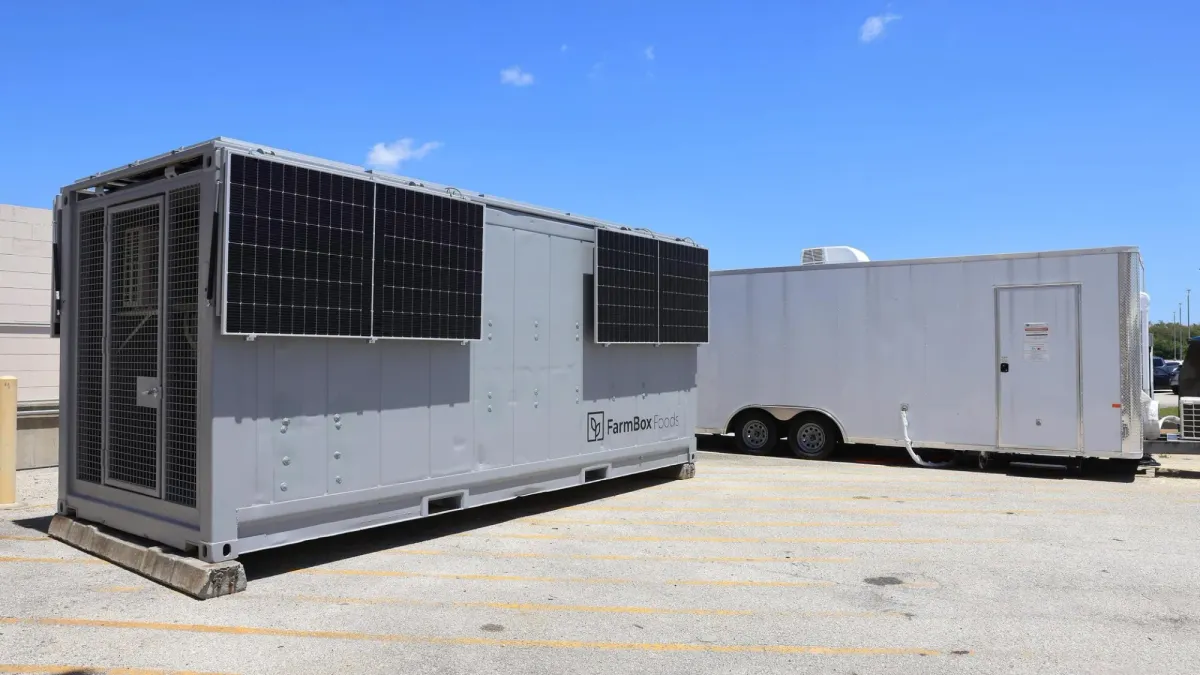
University of North Dakota grad students are currently testing a mobile wastewater treatment system that sounds less like a science experiment and more like a very ambitious compost bin. The goal? To convert human waste into nutrients for plants and other useful materials, all within a setup designed to mimic a lunar habitat. Because nothing says "future of space exploration" like a giant, high-tech toilet.
The Ultimate Recycling Program
This isn't just a fancy septic tank. The mobile facility boasts three separate bioreactors, each with a specific job. One handles feces and food waste, transforming them into nutrient-rich water for growing space veggies. The other two tackle urine and the greywater from showers and laundry. Some of that can even be filtered back into clean drinking water. Let that sink in. Literally.
We're a new kind of news feed.
Regular news is designed to drain you. We're a non-profit built to restore you. Every story we publish is scored for impact, progress, and hope.
Start Your News DetoxAstronauts will use the toilet as normal (a relief, one imagines, after decades of less-than-glamorous options), and the system automatically sorts everything into its correct bioreactor. The entire operation fits inside an 8.5 by 24-foot mobile trailer, which also houses a vertical garden that uses the treated wastewater. It's a closed-loop system that would make any eco-warrior proud, even if the primary input is… well, you know.
This level of self-sufficiency is crucial for NASA's plans to build a semi-permanent lunar structure by 2029. Because when you're 238,900 miles from Earth, you can't exactly call a plumber, or a grocery delivery service.
Space waste management has come a long way. Remember the early days of astronauts using bags? We've evolved. The recent Artemis mission even included a working space toilet, though it apparently had a small issue after launch. Which, if you think about it, is a problem you really don't want to have in zero gravity.
And it's not just poop. In 2023, the International Space Station's life support system recovered nearly 98% of all breath, sweat, and urine from the crew. Future astronauts on long spacewalks might even get a backpack that filters their urine and sweat into drinking water. Because apparently, the future of space exploration involves a lot of very personal recycling. Cheers!