For years, we thought we knew how fish helped keep the ocean's chemistry in balance. They drink seawater, process it, and then — poof — out comes calcium carbonate, a mineral crucial for storing carbon and generally keeping the ocean happy. Simple, right?
Well, apparently not. Scientists just found that the tiny microbes living inside fish guts might be doing a lot more than just digesting dinner. They could be teaming up with the fish to produce this vital mineral, fundamentally changing our understanding of how oceans work.
The Unsung Heroes of the Deep
Bony fish, or teleosts, are basically constantly hydrating with seawater. To deal with all that salt, their intestines get to work, pulling out excess calcium and carbonate. This gets released as solid pellets, charmingly called ichthyocarbonates. The long-standing belief was that fish physiology alone was responsible for this whole operation.
We're a new kind of news feed.
Regular news is designed to drain you. We're a non-profit built to restore you. Every story we publish is scored for impact, progress, and hope.
Start Your News DetoxBut a new study from the University of Miami, led by Anthony Bonacolta, suggests we've been missing half the picture. Martin Grosell, a senior author, put it plainly: the gut microbiome might be way more important than we ever realized, influencing everything from fish biology to global nutrient cycles. What we thought was a solo act might actually be a very intimate partnership.
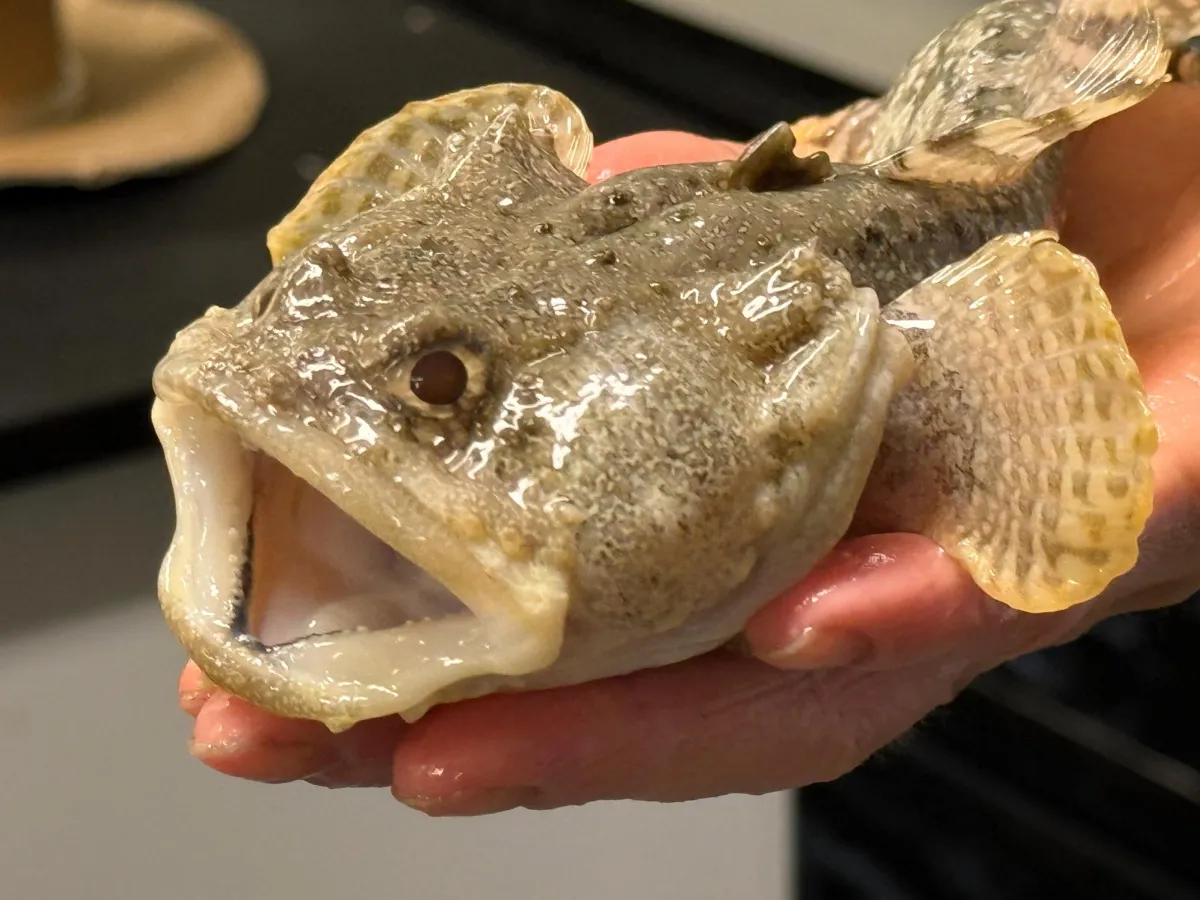
To figure this out, the researchers put Gulf toadfish through a kind of salty spa treatment. They put them in water with different salt levels: slightly salty (9 ppt), regular seawater (35 ppt), and extremely salty (60 ppt). Why? Because previous studies showed fish make more ichthyocarbonates when the water gets saltier.
Sure enough, the fish in low-salt water were slacking off, producing no ichthyocarbonates. But in regular seawater, they got to work, and in the very salty water, they went into overdrive. The team then took samples from the fish intestines, the ichthyocarbonates themselves, and the surrounding water. They looked at DNA and RNA, using genetic sequencing to pinpoint the microbes and see which genes were active in both the fish and their tiny passengers.
And that's where things got interesting.
They found a whole lot of vibrios, specifically Photobacterium damselae subsp. damselae, hanging out in both the fish intestines and the calcium carbonate pellets. Genetic tests revealed these bacteria had traits directly linked to making ichthyocarbonates. This wasn't just a casual residency; these microbes seemed to be active participants in the mineral production.
Grosell summed it up perfectly: most life on Earth is microbial, and these tiny organisms are the engines of nutrient cycles and ecosystems. The ocean is full of these hidden collaborations. And now, the toadfish-vibrio partnership, potentially linked to calcium carbonate production, is another fascinating example to add to the list.
So, if future research confirms these findings, it means those unassuming organisms inside fish could be playing a much larger role in storing carbon and affecting ocean health than anyone ever imagined. Who knew fish guts held such secrets?