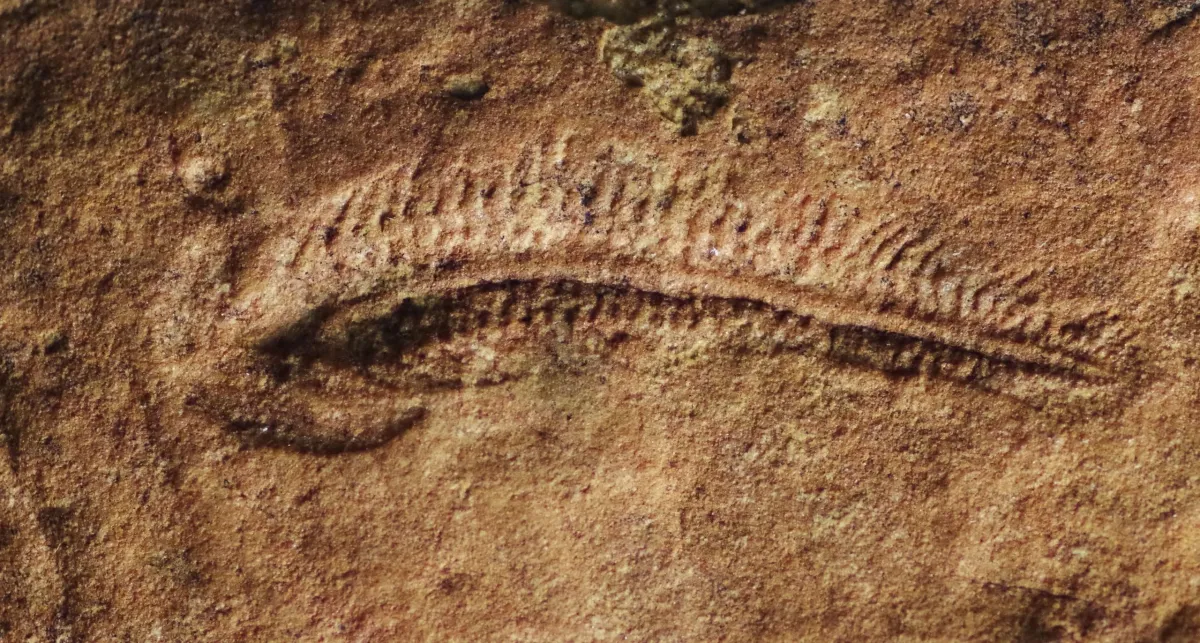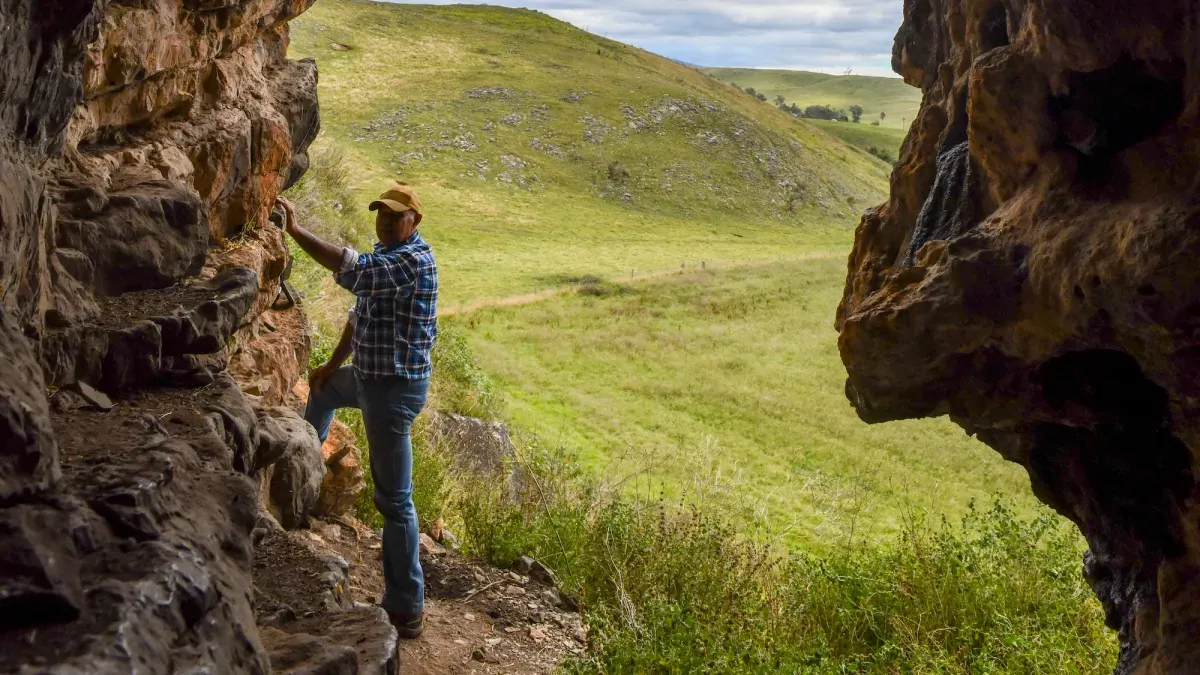
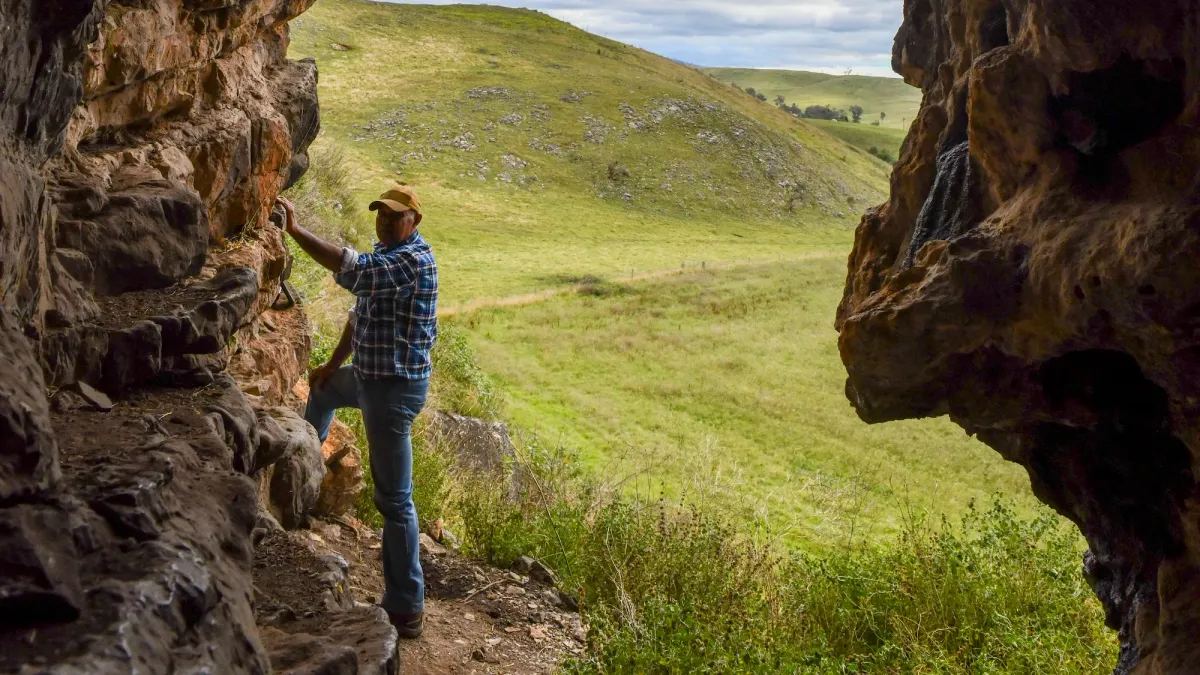
Imagine a giant cathedral door, carved into a limestone cliff in southern Australia. That's Cloggs Cave, and for the GunaiKurnai Aboriginal nation, it wasn't just a cave. It was a spiritual hotspot, a place where leaders called "mulla-mullung" performed everything from healing rituals to magic — and yes, even curses.
Nineteenth-century reports and centuries of oral tradition describe these practices. And if you needed proof, just look up: the cave ceiling is perpetually black from bonfires that have burned for millennia.
Ashes to Ashes, Dust to Ancient Magic
Now, scientists have peered into the microscopic past, and what they found is wild. A new study in Frontiers in Environmental Archaeology reveals that humans have been using Cloggs Cave for at least 25,000 years. How'd they figure that out? Tiny bits of burnt grass.
We're a new kind of news feed.
Regular news is designed to drain you. We're a non-profit built to restore you. Every story we publish is scored for impact, progress, and hope.
Start Your News DetoxApparently, ancient ancestors would gather whole grasses from the landscape, carry them into the cave, spread them out, and set them alight. Over time, layers of sediment covered these ashes, preserving a detailed record of spiritual activity.
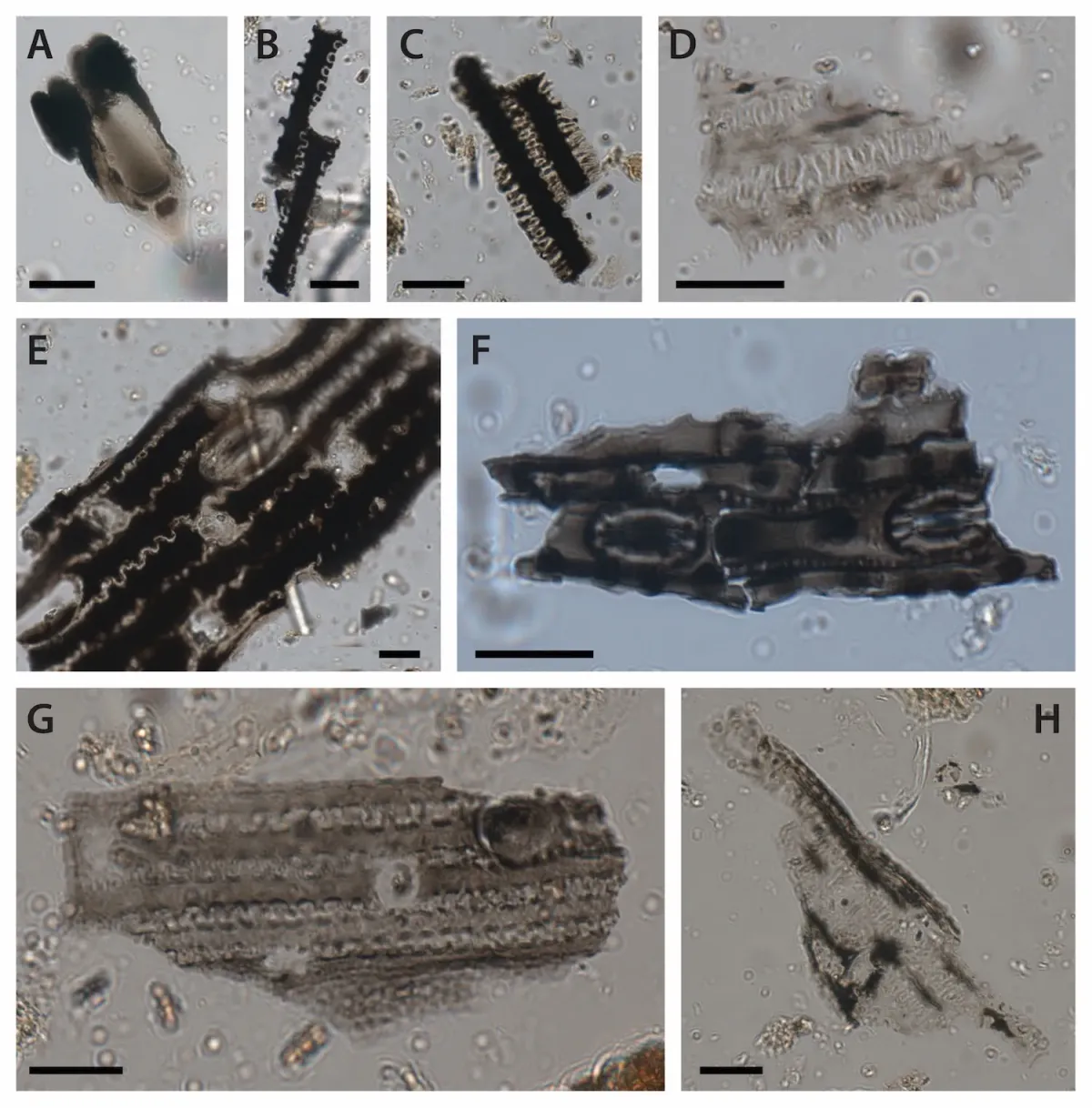
Working closely with GunaiKurnai community representatives, the researchers analyzed phytoliths — microscopic silica remnants from plant tissues. Unlike pollen, which just floats around, phytoliths tend to stay put. And since Cloggs Cave is a dark, enclosed space, any phytoliths found inside almost certainly got there via people or animals.
Specifically, they focused on half-burnt phytoliths from ashy layers. Because, as archaeologist Elle Grono put it, those "can only have been brought in by people." Unburnt ones? Could be anything. Burnt ones? Definitely human activity.
Carbon dating of these plant remnants from 73 ash layers showed consistent burning between 4,400 and 1,600 years ago. They found 29 different types of plants, with many grasses seemingly chosen from right near the cave entrance. And the oldest evidence? Burnt plant material suggesting people were bringing stuff into the cave a staggering 25,000 years ago.
The Standing Stone and Spirit Tracks
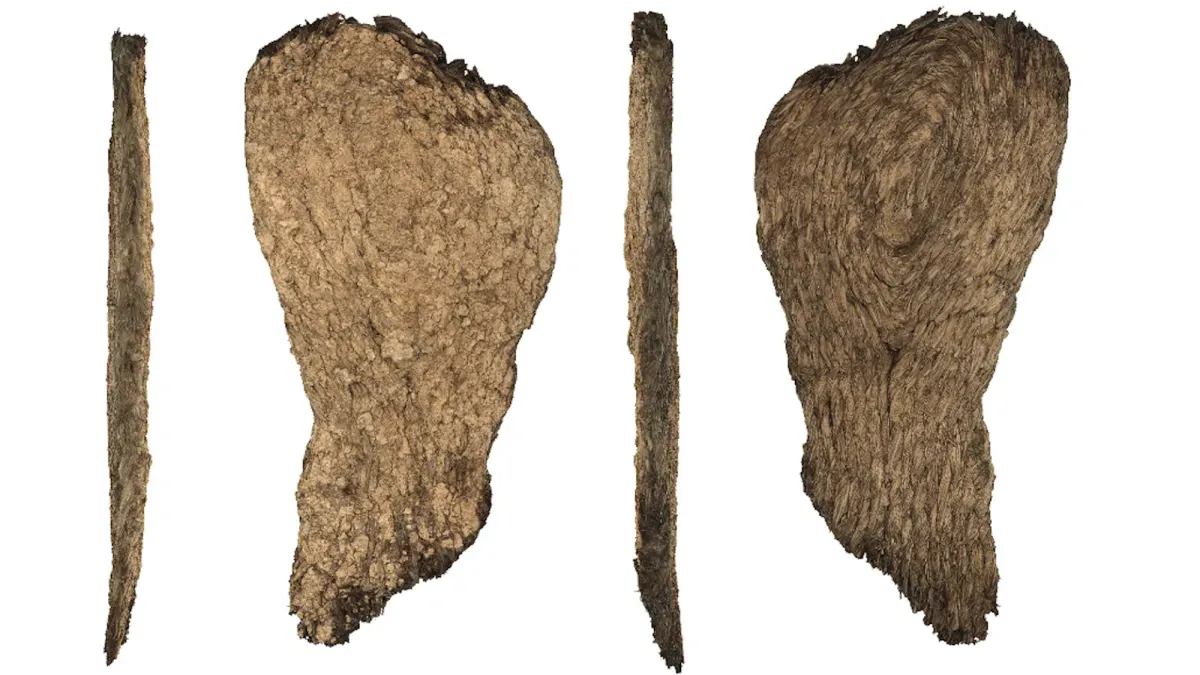
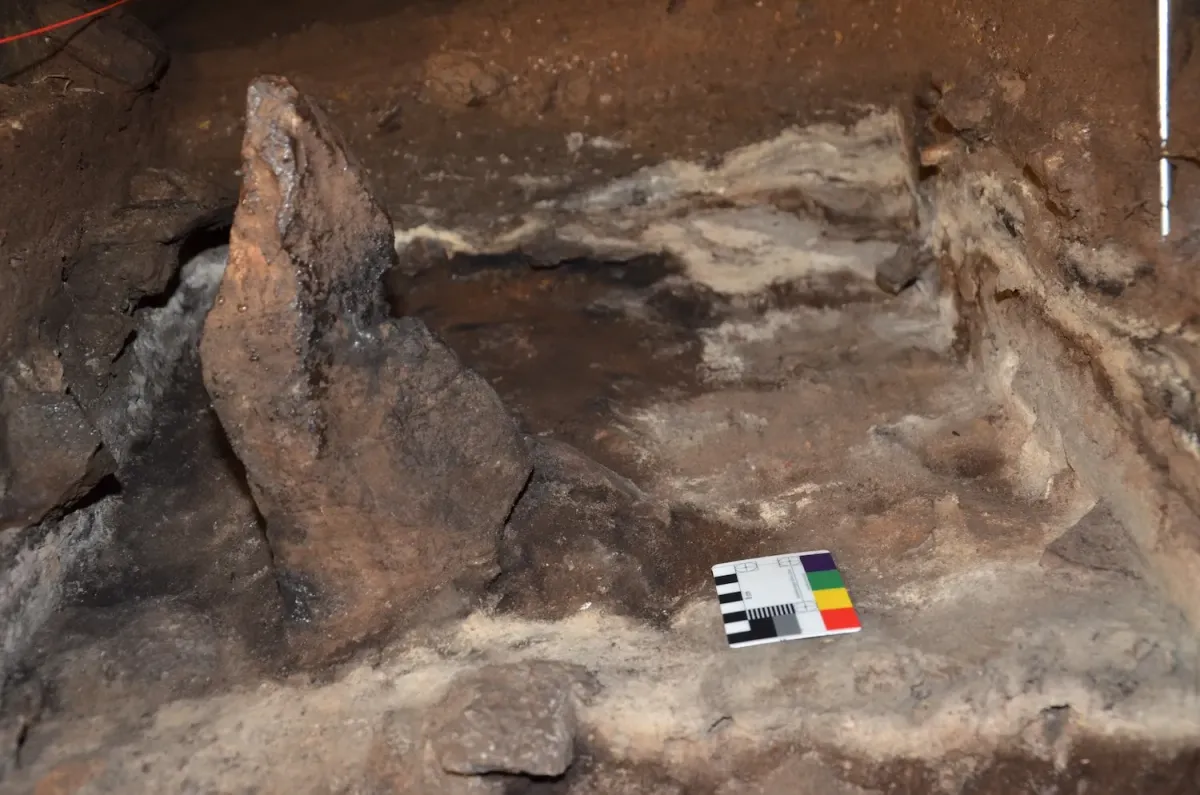
But wait, there's more. Archaeologists also unearthed a nearly foot-tall standing stone, likely used in ceremonies, surrounded by those same tell-tale phytolith ashes.
According to Bruno David, another archaeologist on the team, the burning of these materials is consistent with GunaiKurnai traditions of using ash for magic and rituals. And, perhaps most intriguingly, "to track the footsteps of anyone coming in, including spirit-beings." So, not just a cave, but an ancient spirit-detector. Which, if you think about it, is both impressive and slightly terrifying.
Because apparently, 25,000 years ago, people were already leaving no trace... unless they wanted to. And sometimes, they really wanted to.