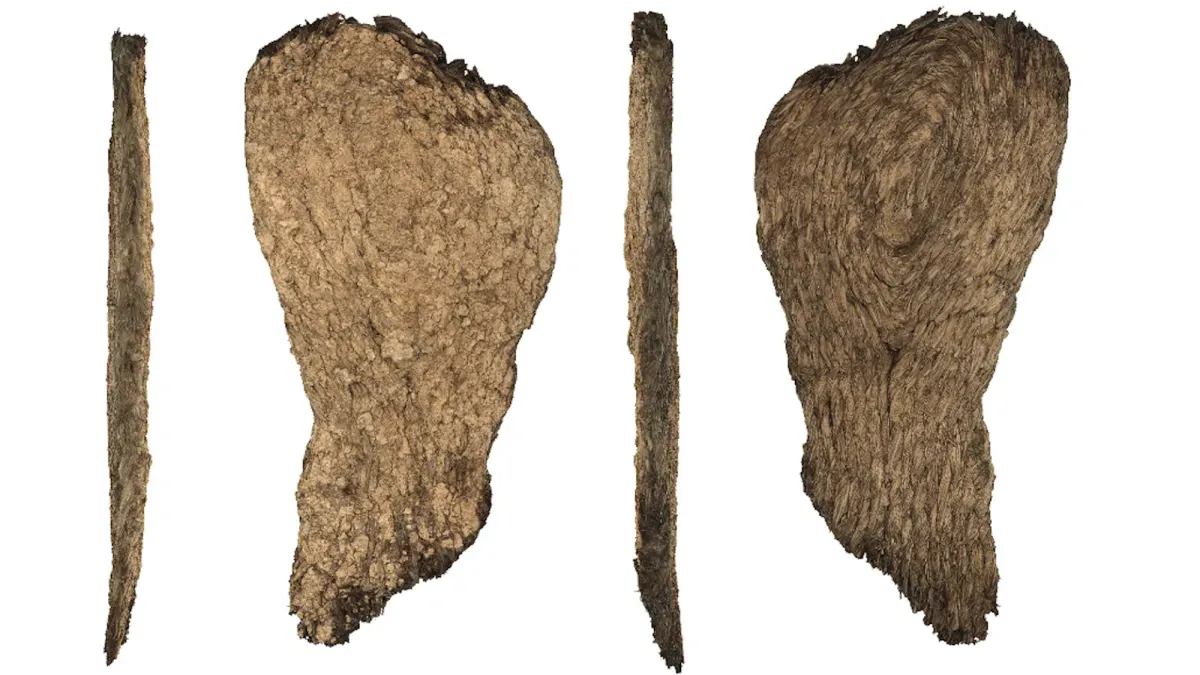
Eight grass sandals, over 2,000 years old, were found in a trash heap in Spain. These well-preserved sandals are helping archaeologists learn about Iron Age life in the Iberian Peninsula. This was just before the Roman Empire arrived.
Ancient Footwear Reveals Daily Life
The sandals were found during excavations at Urium. This was an ancient mining settlement in southwestern Spain. Archaeologists discovered them near a metal workshop complex from the mid-first century BCE. The workshop had four work areas, 10 furnaces, and 16 other rooms.
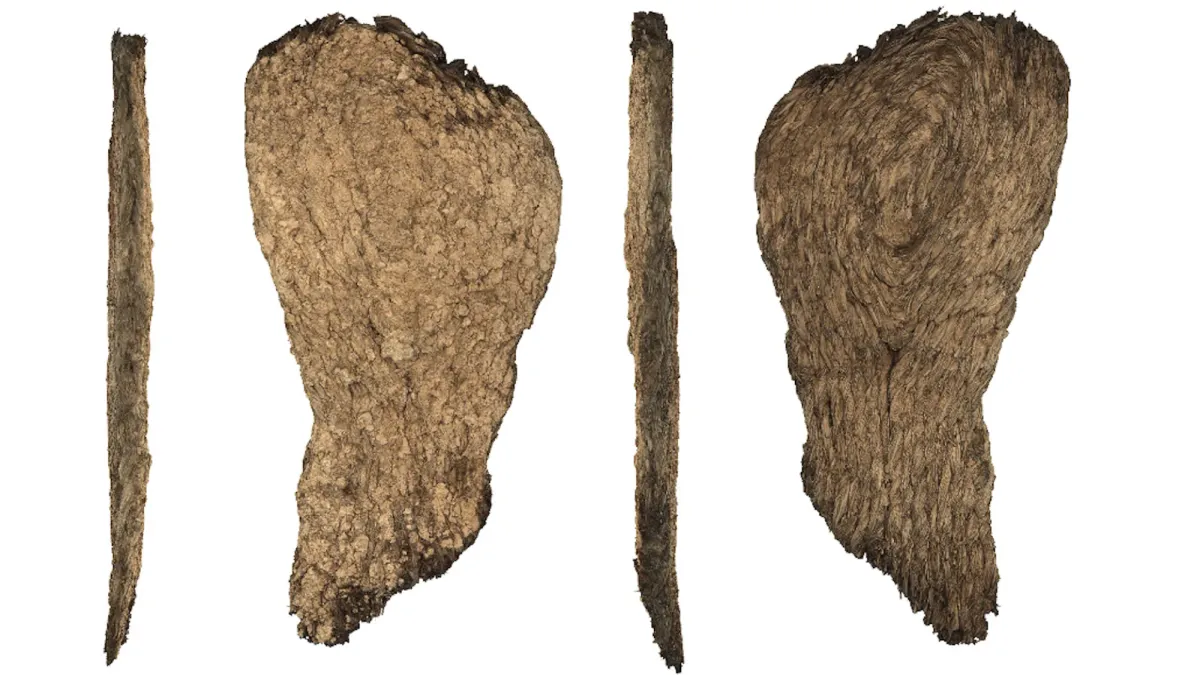
The sandals were not in the workshop itself. They were in nearby ash deposits in a courtyard. These deposits also contained furnace leftovers and everyday items, suggesting they were general trash heaps.
We're a new kind of news feed.
Regular news is designed to drain you. We're a non-profit built to restore you. Every story we publish is scored for impact, progress, and hope.
Start Your News DetoxThe soles of the sandals are made from esparto grass (Stipa tenacissima). This sturdy grass has unique grooved textures. Artisans wove the raw esparto into flat braids to form the sole frames. They used thick cables for weight-bearing parts and thinner strands for joints and bindings. Each sole was about 6.7 to 9.8 inches long. At least four of them were clearly for the left foot.
These sandals were not new when they were discarded. Signs of heavy use were clear. Most were missing their foot straps, and the forefoot sections showed long-term wear. This suggests they were worn out by their owners.

A Glimpse into the Past
The age of the sandals surprised researchers. Radiocarbon dating showed one sole was from the early Roman period (around 28–124 CE). Another was from the late Iron Age (360–205 BCE). A third sandal dated to about 175–56 BCE. This means Urium was home to workers for nearly 500 years.
The two oldest artifacts might have come from earlier deposits that Roman residents later disturbed. However, esparto sandals were clearly worn for decades before the Romans fully took over the area in 19 BCE.
Plant-based footwear usually breaks down quickly. But these sandal soles were preserved in the ashy furnace heaps for centuries. This organic preservation also helped save ropes and baskets made from similar materials found in the sediment.

The condition of the sandals when they were thrown away shows they were not fancy items. They were not for ceremonies or luxury. Their worn-down state, broken straps, and muddy soles suggest they were the preferred footwear of laborers. It is rare to find such ancient items, especially those made from materials that usually do not last long.