Dogs come in an amazing variety of shapes and sizes. Think of a tiny toy poodle next to a huge mastiff. About 700 million dogs live with or near humans worldwide.
Dogs are companions, helpers, and family members. Their story is deeply connected to ours. But how they got so diverse, and how long they've been with people, has been hard to figure out.
Two new studies in Science offer fresh insights. One, led by Allowen Evin, looked at ancient dog bones. The other, by Shao-Jie Zhang, studied DNA from old dogs in Eastern Eurasia.
We're a new kind of news feed.
Regular news is designed to drain you. We're a non-profit built to restore you. Every story we publish is scored for impact, progress, and hope.
Start Your News DetoxThese studies show that dog diversity and their bond with humans go back much further than we thought. Their history is also more complex.
Dog Diversity Started Long Ago
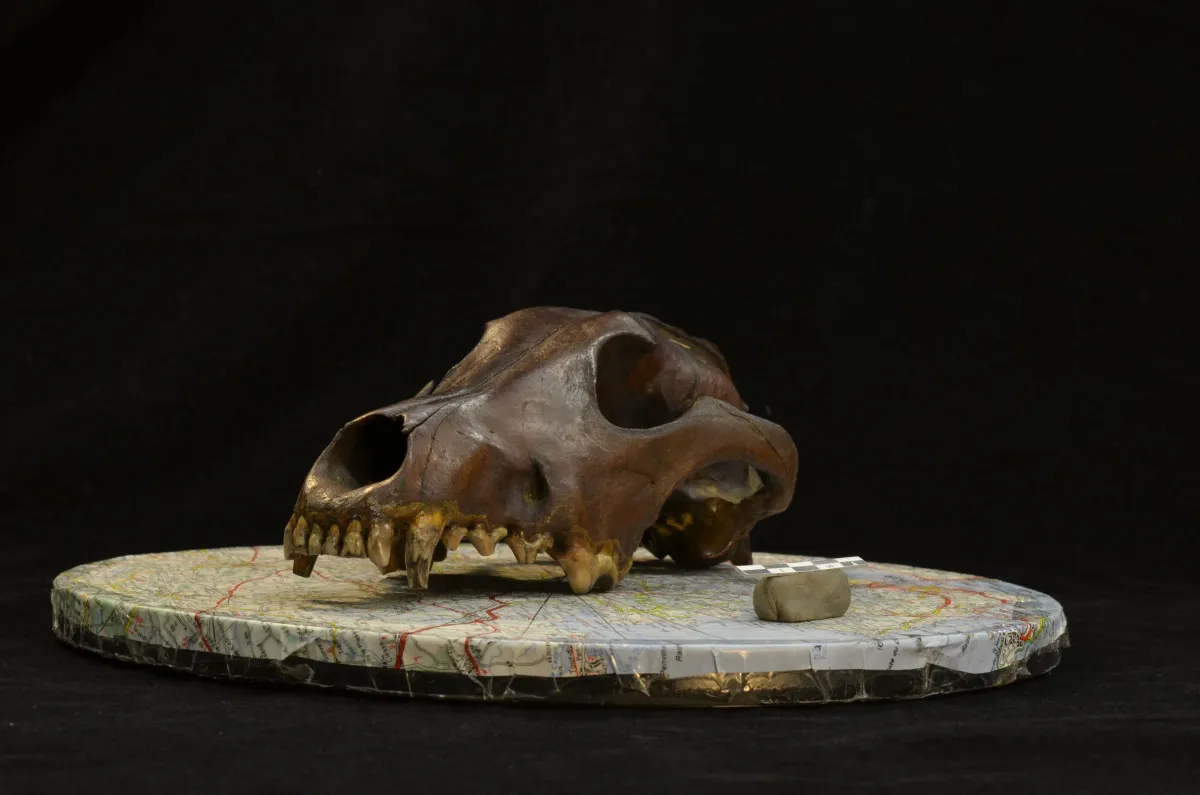
Evin and her team studied 643 dog and wolf skulls from the last 50,000 years. They wanted to see when the physical differences in modern dogs first appeared.
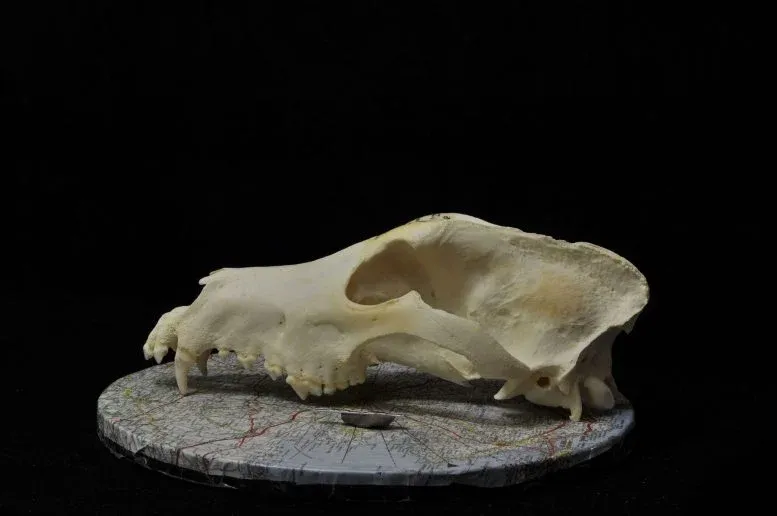
Their findings suggest that the typical "dog-like" skull first showed up about 11,000 years ago. This was during the Holocene epoch, after the last ice age. Dog skulls from that time already had many different forms.
This means the wide range of dog shapes and sizes today isn't just from breeding programs in recent centuries. Some of this variety began thousands of years earlier.
Early Dogs Looked Like Wolves
The researchers re-examined 17 known dog or wolf skulls from the Late Pleistocene period (129,000 to 11,700 years ago). Some of these skulls were 50,000 years old.
They found that all these Pleistocene skulls looked like wolves. This included some that were previously thought to be early dogs.
This suggests that while wolves and dogs likely split during the Pleistocene, early dogs' skull shapes didn't change until about 11,000 years ago. Even some Holocene dog skulls still had wolf-like features.
This research shows that early dogs were more diverse than we once believed. This early diversity might have set the stage for the extreme variations we see in dogs today.
Earlier genetic studies found four main dog groups that likely started about 20,000 years ago. These are Eastern (East Asian and Arctic) and Western (Europe and Near East) dogs.
Understanding how these ancient dog groups originated is still ongoing. But studying how dog ancestry changed over time and in different places can help us understand both dog origins and how early humans moved.
Dog DNA Traces Human Journeys
Zhang and his team used the DNA of 73 ancient dogs from the last 10,000 years. They wanted to see how humans and dogs moved across Eastern Eurasia over time.
Their analysis showed many changes in dog ancestry in Eastern Eurasia. These changes matched the movements of different human groups, like hunter-gatherers, farmers, and herders. This suggests that as human cultures moved, their dogs often went with them, carrying their unique genetic traits.
There were some differences between human and dog ancestry in parts of Asia. For example, Eastern hunter-gatherers, who were more like Western Eurasian humans, had mostly Eastern (Arctic) dogs. Other Western Eurasian cultures at the time had Western dogs.
This might mean dogs were important for trade or cultural exchange between different human groups. It also shows that dog evolution is more complex than we currently understand.
Zhang's research strongly suggests that thousands of years ago in Eastern Eurasia, dogs were vital to human societies. They were like "biocultural packages" that moved with people. This means humans took their dog companions with them on their travels, or perhaps traded them, instead of just getting new dogs after moving.
Dogs Preserve Shared Human History
These findings highlight the long, complex, and connected relationship between dogs and humans, spanning over 10,000 years.
The genetic history of dogs can act as a living record of ancient human migrations, trade routes, and cultural exchanges. Studying ancient dogs can also help us understand the environmental factors that shaped dog evolution and their bond with humans.
Together, these new studies greatly change our understanding of how dogs became so diverse and how they've been connected to humans.
Both studies emphasize that the amazing diversity in modern dogs isn't just a recent thing. The genetic and physical foundations for this variety were laid thousands of years ago. They were shaped by natural selection, human choices, and different environments, long before structured breeding became popular.
Future studies looking at dog physical diversity and ancestry could help us better understand how dogs originated and spread worldwide. This research deepens our appreciation for the unique and ancient bond between humans and dogs, a bond almost as diverse as the canines themselves.
Deep Dive & References
The emergence and diversification of dog morphology - Science, 2025