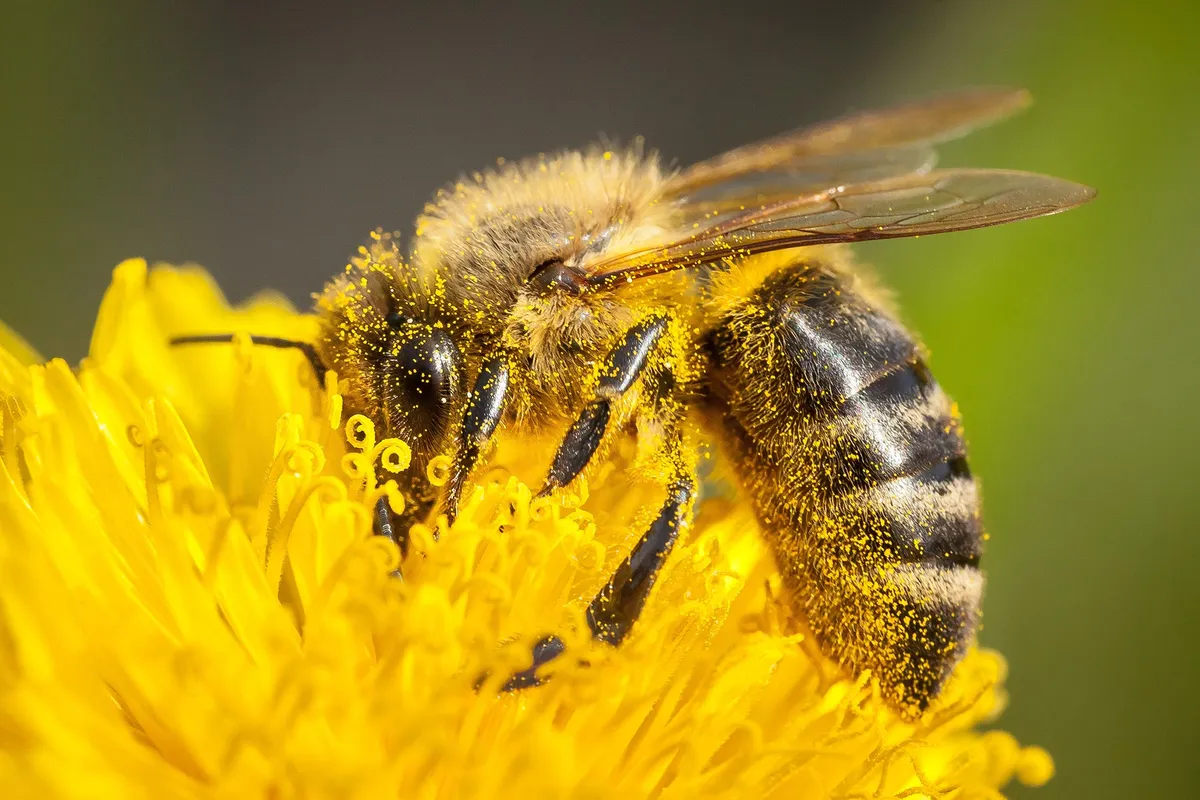
Bees are more particular about their food than previously thought. New research from the University of Oxford shows that bees can tell when pollen doesn't have the right mix of essential amino acids. When this happens, they eat less. This behavior might protect them from consuming too much of certain nutrients that could be harmful.
Honeybees also seem to have a clever way to feed their young. They mix pollen from different flowers and process it in the hive. This creates nutrient-rich food that perfectly matches what growing larvae need.
These findings, published in Current Biology, challenge the idea that all pollen is ideal bee food. They suggest that efforts to help bees, like planting gardens or conservation projects, should focus on offering a wide variety of flowers, not just a lot of them.
We're a new kind of news feed.
Regular news is designed to drain you. We're a non-profit built to restore you. Every story we publish is scored for impact, progress, and hope.
Start Your News DetoxThe Hidden Nutritional Mismatch
Bees get most of their energy from sugary nectar. But pollen provides the protein they need to grow, repair tissues, and reproduce. However, pollen's main job isn't to feed insects. It carries plant reproductive cells, and its nutritional content changes a lot between different plant species.
This means a flower with lots of pollen might still give bees too much of one amino acid and not enough of another.
What Bees Really Need
Researchers compared the essential amino acids in honeybee bodies with those in pollen from 99 different UK flowering plants. Essential amino acids are nutrients animals can't make themselves, so they must get them from food.
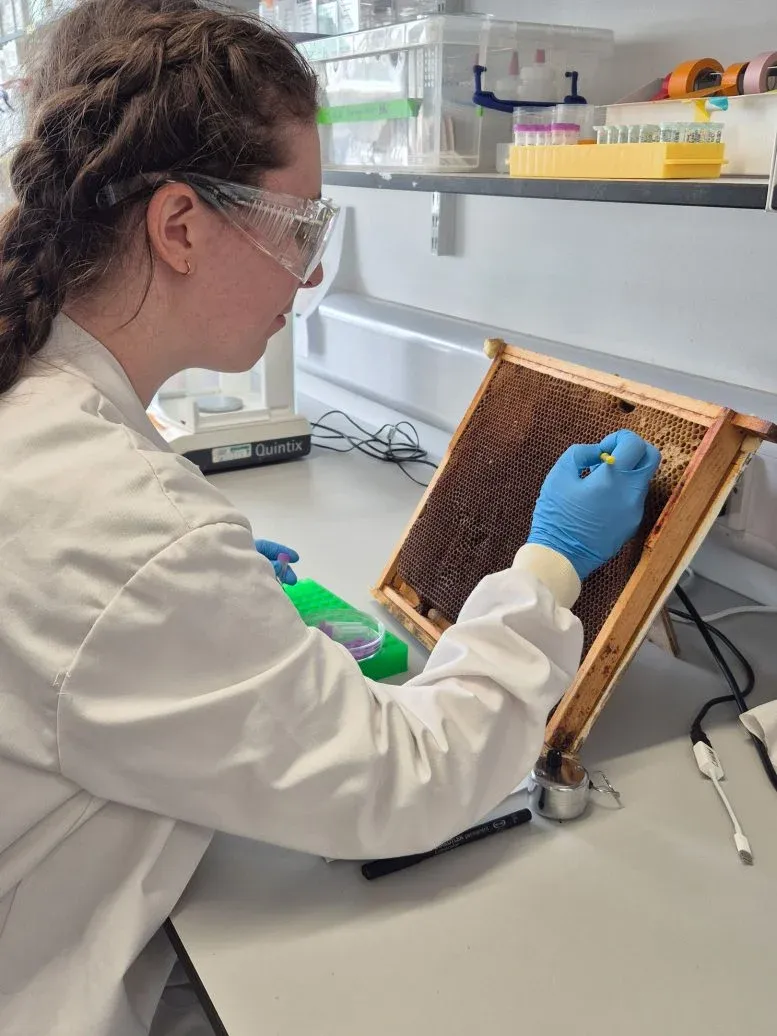
The team then created artificial diets. Some diets matched the amino acid makeup of different pollens. Others matched the composition of honeybee tissues. They fed these diets to new worker bees in a lab.
Most pollen types didn't closely match the bees' own nutritional needs. But when bees ate food that was more like their own tissues, they ate more, gained more weight, and chose a diet with more protein.
How Amino Acids Control Appetite
This led researchers to look at histidine, an essential amino acid bees need in small amounts. They changed its concentration compared to branched-chain amino acids, which are important for growth.
When histidine levels were too high, bees ate less overall. They consumed less protein and fewer carbohydrates. This suggests that an imbalance in one nutrient can make bees eat less of their entire diet.
A Built-In Nutrient Safety System
The researchers think this response might come from signals after digestion. Instead of eating more to find missing nutrients, bees might stop eating when another amino acid reaches an unsafe level.
Similar systems exist in other animals. For example, in rats, too much histidine can turn into histamine. This activates brain receptors that help control appetite.
Professor Geraldine Wright from the University of Oxford's Department of Biology explained that pollen is often seen as a perfect bee food. But it's actually the male part of plants and isn't always made just to reward pollinators. This creates a conflict between the plant and the bee.
Honeybees Transform Their Food
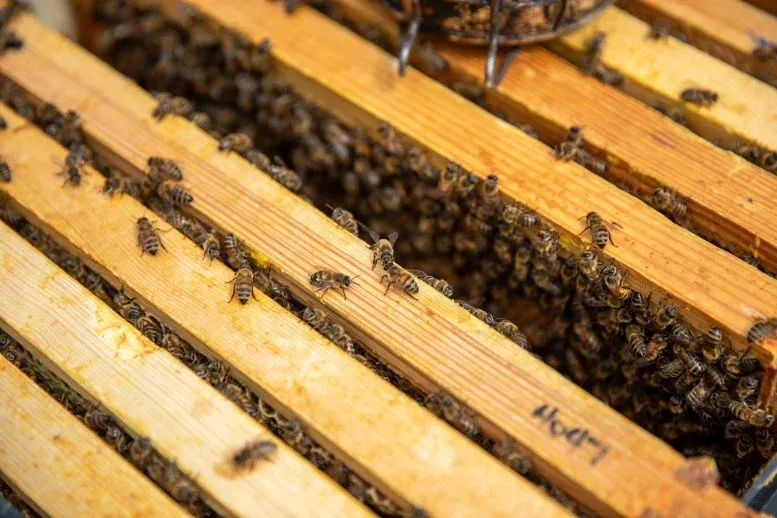
Honeybee colonies seem to solve this problem by changing raw pollen before feeding it to their young.
Worker bees collect pollen from many flowers and store it in the hive as "bee bread." Nurse bees eat this bee bread and turn its nutrients into special secretions, like royal jelly. They then feed these to young bees.
The researchers found that bee bread had a more balanced amino acid profile than most single pollen sources. Royal jelly was an even better match for the amino acid makeup of bee tissues.
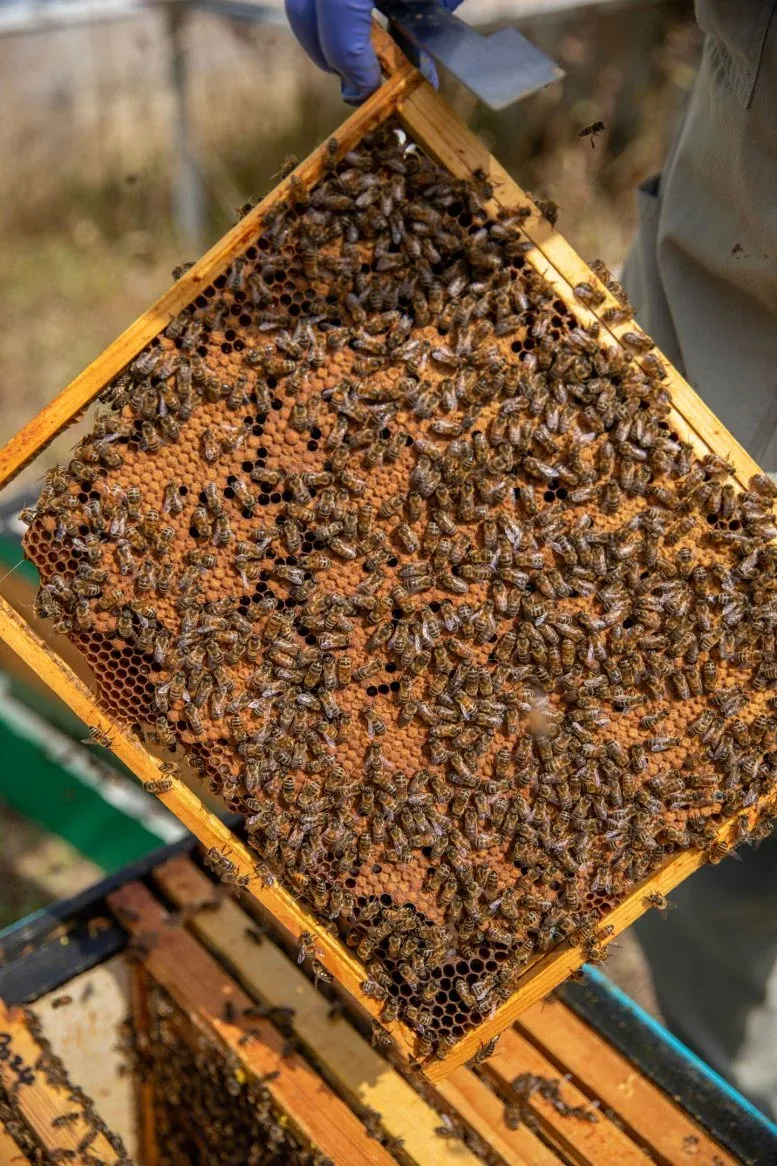
This suggests that mixing pollen and processing it through nurse bees helps a colony fix some nutritional problems found in individual flowers. Professor Wright believes honeybees have evolved to create these secretions, which are the perfect food for their larvae, giving them the right amino acid ratios for maximum growth.
Why Wild Bees Face Greater Risk
Wild bees might be more affected by poor pollen quality. Bumblebees and many solitary bee species feed pollen directly to their young. They don't convert it into special secretions like honeybees do.
In areas with only a few types of flowering plants, these bees might get plenty of pollen but still lack the right nutrient balance. This problem could be especially bad when large areas bloom for a short time and then offer little variety later in the season.
The findings show that planting for pollinators should focus on diversity, not just quantity. A mix of flowering species available throughout the season could give bees a better chance to combine different pollen sources for a complete diet.
Professor Wright noted that planting for pollinators should provide flowers all season and ensure a variety of pollen sources. A diverse diet may be crucial for bees to get the right balance of nutrients.
Deep Dive & References
Nutrition of honeybees is constrained by the ratios of essential amino acids in pollen protein - Current Biology, 2026