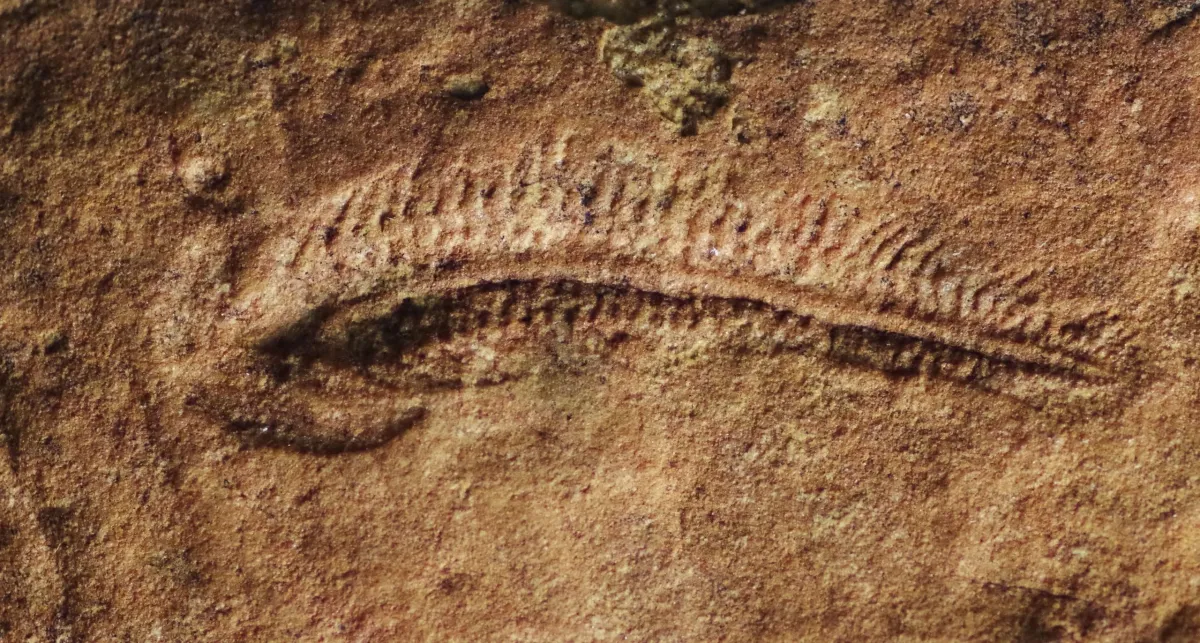
New research suggests that Spriggina floundersi, an ancient animal, tended to bend to the right. This makes it the oldest known example of an animal favoring one side of its body.
This behavior, called lateralization, pushes its known origins back to the Ediacaran Period, over 550 million years ago. This was long before most modern animal groups appeared.
Ancient Animals Show Complex Behavior
The Ediacaran Period, from about 635 to 538 million years ago, was a time of big changes in life's history. Organisms that were once tiny started to form larger, multi-celled bodies. Some of these could even move and perform more complex actions.
We're a new kind of news feed.
Regular news is designed to drain you. We're a non-profit built to restore you. Every story we publish is scored for impact, progress, and hope.
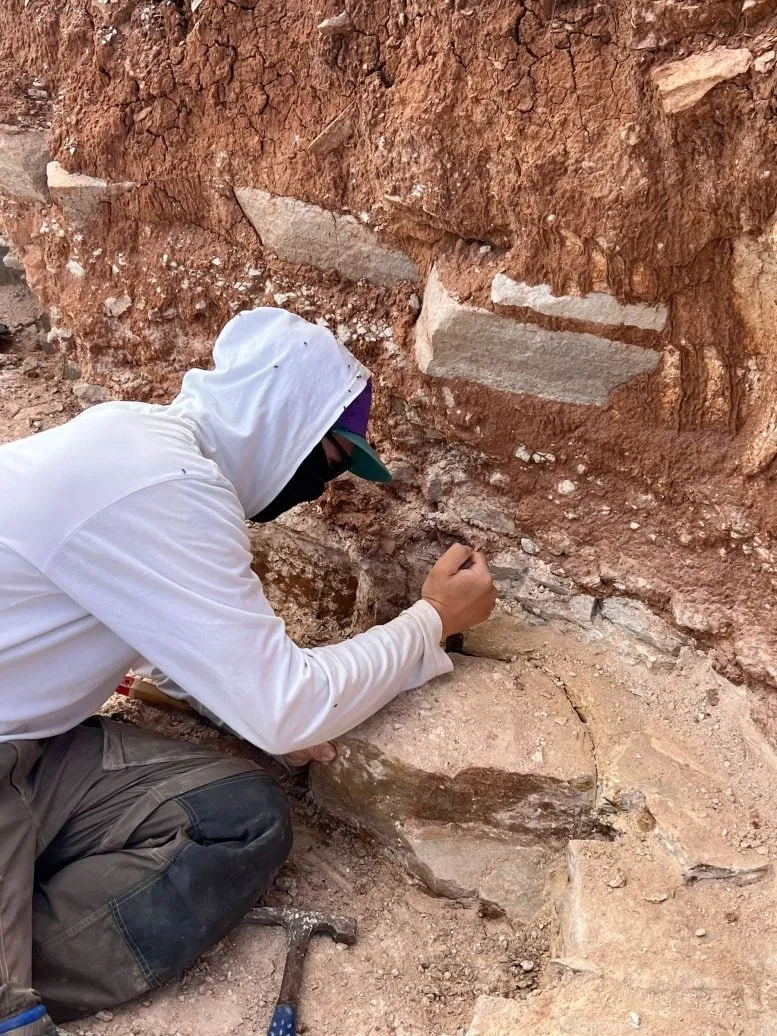
Start Your News DetoxFossils from this time are rare. However, the Flinders Ranges in South Australia have a very detailed fossil record. At Nilpena Ediacara National Park, storms quickly buried entire seafloor communities. This preserved scenes from about 550 million years ago.
These fossil beds include Spriggina, one of the first known animals with bilateral symmetry. This means its body could be divided into a front and back, left and right, and top and bottom. Humans and most living animals share this basic body plan.
Spriggina is also the state fossil of South Australia. Its name honors Reg Sprigg, who recognized the importance of the Ediacara biota over 75 years ago.
Fossils Reveal a Rightward Preference
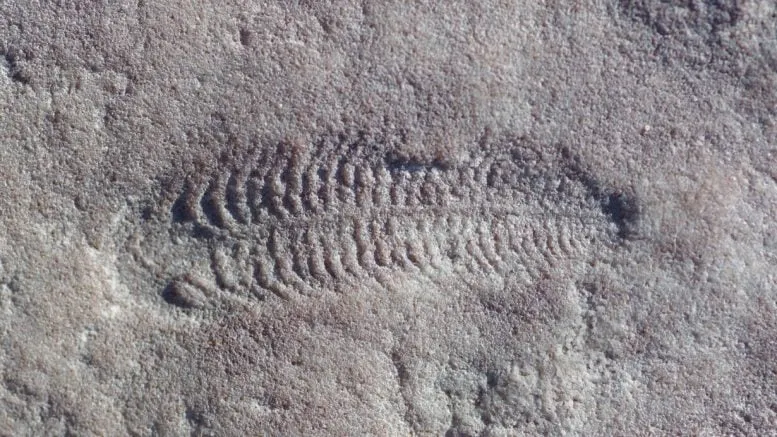
To find out if Spriggina favored one side, researchers looked at over 100 well-preserved specimens. These fossils came from Nilpena and the South Australia Museum.
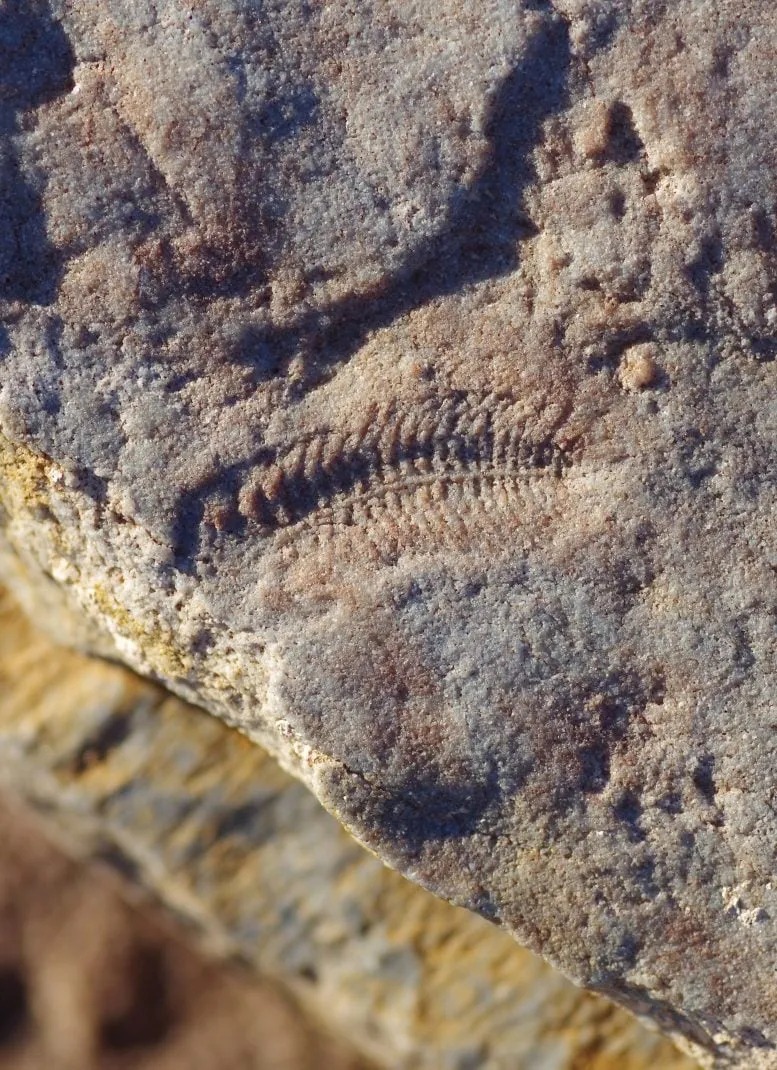
The challenge was that the fossils are not the animals themselves. They are mirror images left in the rock. So, a leftward bend in the fossil means the living animal bent to the right.
About twice as many fossils appeared to curve left. After accounting for the mirror image, this meant living Spriggina bent to the right about twice as often.
Because this preference was seen across many animals, researchers believe it was not accidental. This suggests Spriggina may be the oldest known animal to show population-wide "handedness."
Handedness Hints at a Complex Nervous System
This preference might reveal more than just how Spriggina moved. Consistently choosing one side could mean the animal processed sensory information in a more organized way. This is surprising given its simple appearance.
In living animals, lateralized behavior is often linked to complex sensory abilities and nervous systems. Finding a similar pattern in Spriggina suggests that some of these brain features might have started developing during the Ediacaran Period.
Scott Evans, lead author and assistant curator at the American Museum of Natural History, noted that animals with this kind of handedness, from insects to mammals, have complex senses. He believes this suggests Spriggina's nervous system was relatively complex, similar to animals we know today.
Deep Dive & References
Earliest evidence of behavioural handedness in the Ediacaran motile bilaterian Spriggina floundersi - Scientific Reports, 2026