Researchers at the University of Cincinnati found that insects like fruit flies have a daily body clock linked to humidity. This discovery raises questions about whether humidity might also affect humans.
How Humidity Acts as a Clock
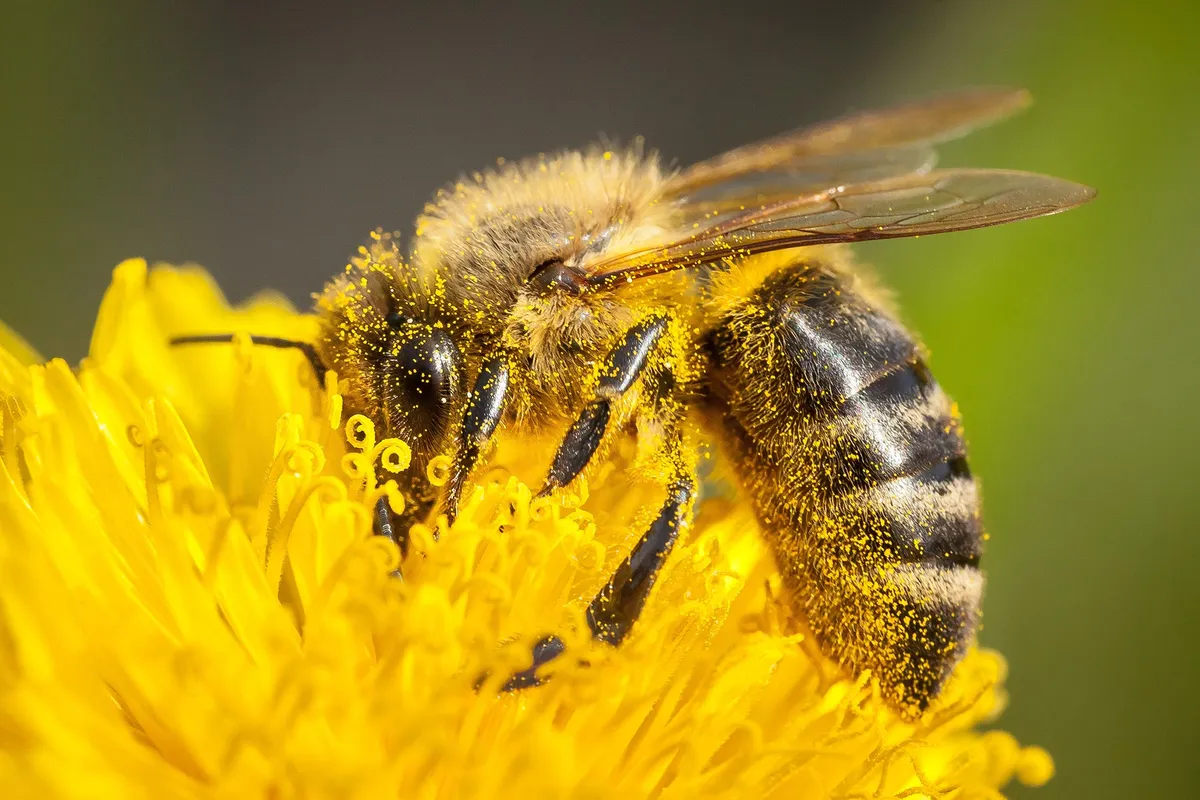
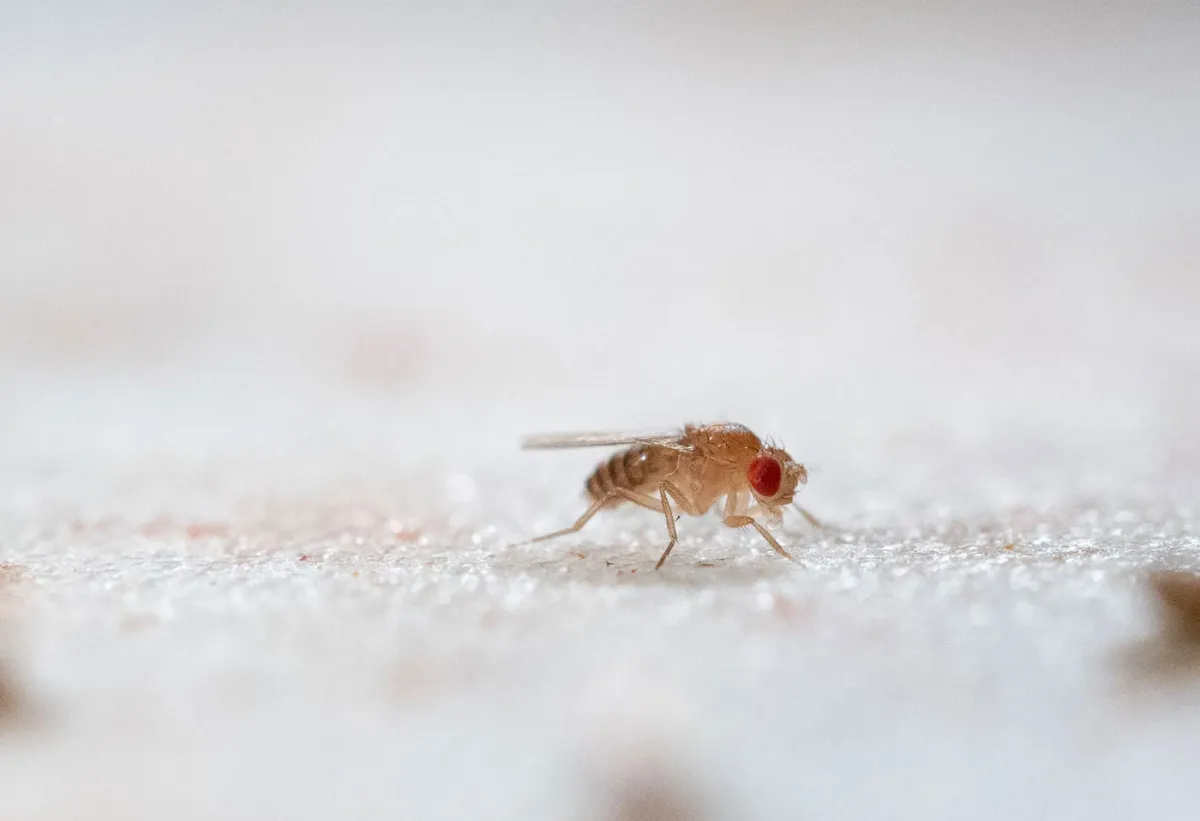
Insects such as kissing bugs, fruit flies, mosquitoes, and spider beetles changed their behavior based on daily humidity shifts. Even when the humidity cycle was removed, the insects kept following the rhythm they had learned.
UC Professor Joshua Benoit explained that insects use humidity cues as a biological clock. The study was done in a controlled environment where both climate and light could be managed. The Nature journal Biological Timing and Sleep published these findings.
We're a new kind of news feed.
Regular news is designed to drain you. We're a non-profit built to restore you. Every story we publish is scored for impact, progress, and hope.
Start Your News DetoxHumidity Can Reset Insect Clocks
Circadian rhythms are internal cycles that control things like body temperature and hormone levels. We know that light and temperature can set these clocks. However, humidity has not been studied as much, according to lead author Shyh-Chi Chen.
Chen, now an assistant professor at Georgia College & State University, noted that humidity changes daily, just like light and temperature.
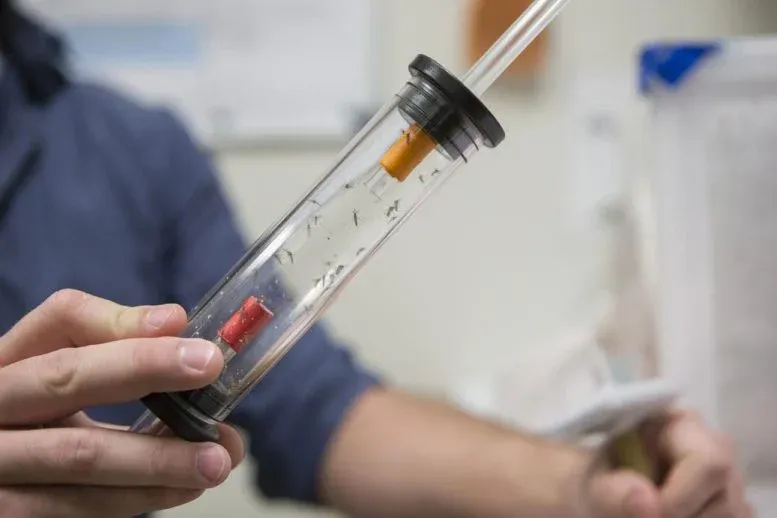
Extreme humidity can be uncomfortable for people. But for insects, it's a matter of survival. They need to stay hydrated and avoid drying out.
Chen explained that anticipating daily humidity changes helps insects choose safer times to find food or do other activities.
A Weaker Signal, But Still Important
Humidity affects insects less strongly than daylight or temperature. Mosquitoes showed the least response to changes in moisture.
Animals often use predictable environmental cycles to guide their behavior. For example, lunar cycles affect tides, and solar cycles determine daylight hours. Previous research found that monarch butterflies use sunlight to navigate during their long migrations.

What About Humans?
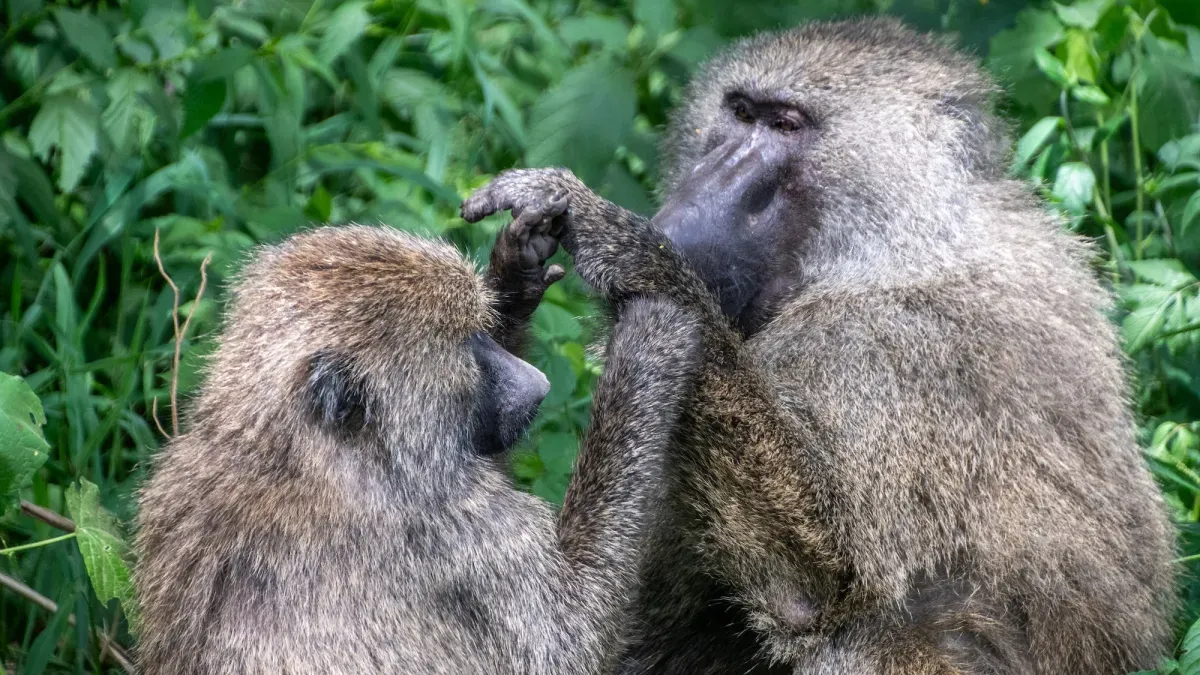
Researchers wonder if humidity patterns could also affect the biological clocks of mammals, including humans. They believe any effect would likely be too small for people to notice.
Chen said that while the study focused on animals, it opens up interesting possibilities for human biology. He added that even though light-dark cycles are very important for human circadian biology, we can't rule out the subtle influence of other senses, including humidity.
Deep Dive & References
- Humidity as a potential zeitgeber for circadian entrainment of insect systems - npj Biological Timing and Sleep, 2026