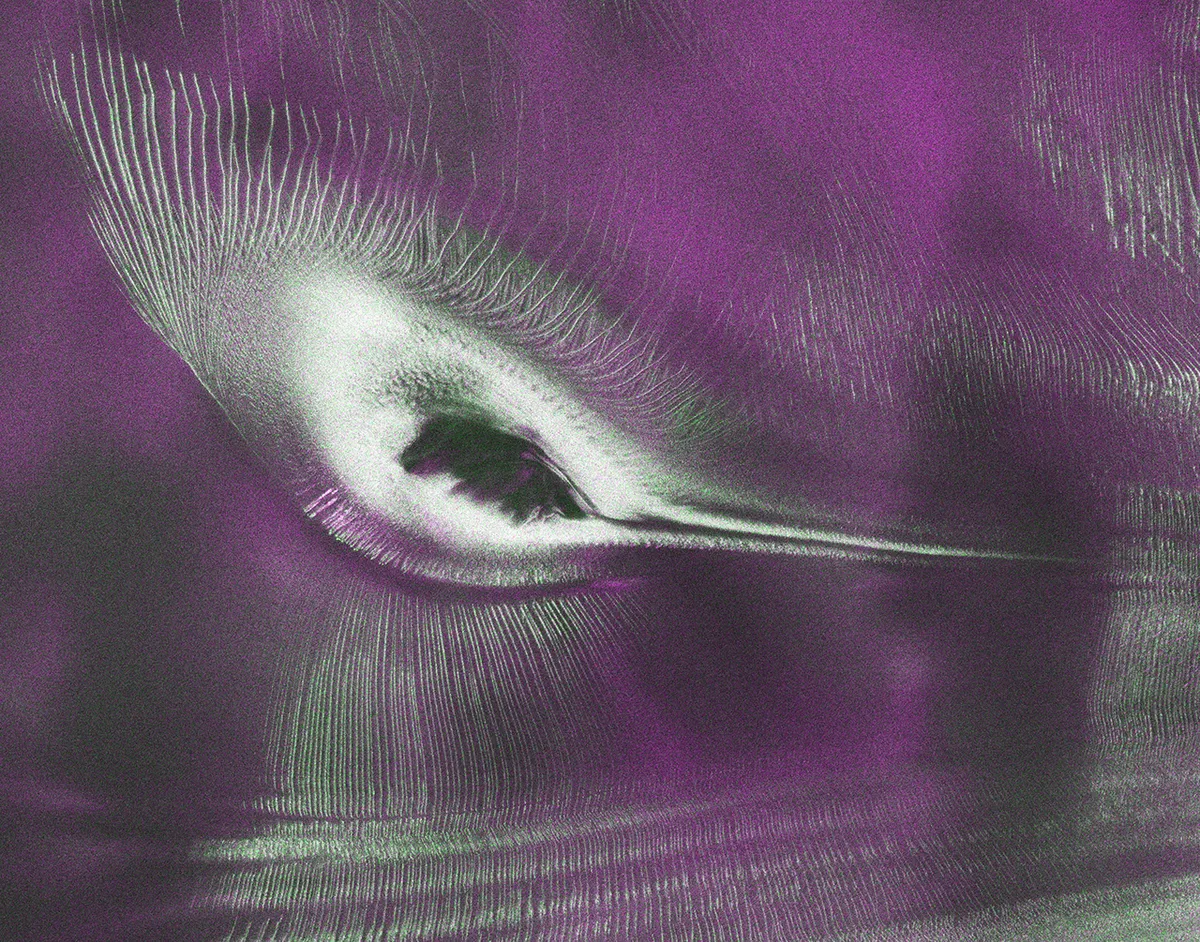
Turns out, even Antarctica's glaciers have a flair for the dramatic. Scientists, using the snazzy new NISAR satellite, just unveiled an image of a mountaintop in East Antarctica that looks suspiciously like a hummingbird. Because apparently, even ice streams are getting artistic.
This isn't some abstract art piece, though. It's Nunatak Zaterjavshijsja, a lonely peak poking out from a massive ice flow heading northeast towards the ocean. That obstruction creates a whole lot of stress in the ice, leading to deep, dramatic cracks called crevasses. And those crevasses? They show up as sharp, bright green lines in the image, forming the 'hummingbird' shape.

How a Space Radar Paints Pictures
So, how does a satellite orbiting Earth manage to draw birds in ice? It's all thanks to something called L-band radar. NISAR sends microwave signals down to Earth with a horizontal polarization – basically, the waves vibrate side-to-side. When those signals bounce back, scientists can tell a lot about what they hit.
We're a new kind of news feed.
Regular news is designed to drain you. We're a non-profit built to restore you. Every story we publish is scored for impact, progress, and hope.
Start Your News DetoxIf the signal returns with the same horizontal polarization, it likely hit something smooth, like regular, undisturbed ice. Those smooth spots glow magenta in the image. But if the signal comes back with a vertical polarization, it means things got a little wild. It might have bent deep into the ice or scattered off irregular surfaces, like the jagged sides of a crevasse. That's called volume scattering, and those chaotic areas show up as vibrant green.
White areas mean both types of signals bounced back strongly, suggesting a lively mix of smooth surfaces and dramatic cracks. Which, if you think about it, is both impressive and slightly terrifying when you consider the sheer scale of the ice involved.
The Satellite Behind the Masterpiece
This whole operation is thanks to NISAR, a joint mission between NASA and the Indian Space Research Organisation (ISRO). It's the first satellite ever to carry two different types of radar instruments, and it's got the largest radar antenna reflector NASA has ever launched into space – a whopping 39-foot (12-meter) drum-shaped behemoth. Because when you're trying to spot hummingbirds in glaciers, you apparently need some serious equipment.
It’s a pretty cool way to keep an eye on our planet’s changing ice, all while accidentally creating some rather stunning, avian-themed art.