A new study on habit formation this week reminded us that change can happen faster than we think, and if Thursday’s news is any indication, that applies to quite a lot of things. From tiny tweaks yielding monumental results to artificial intelligence quietly getting to work on some of humanity's biggest problems, the pace of progress is, shall we say, accelerating.
The AI That Just Wants to Help
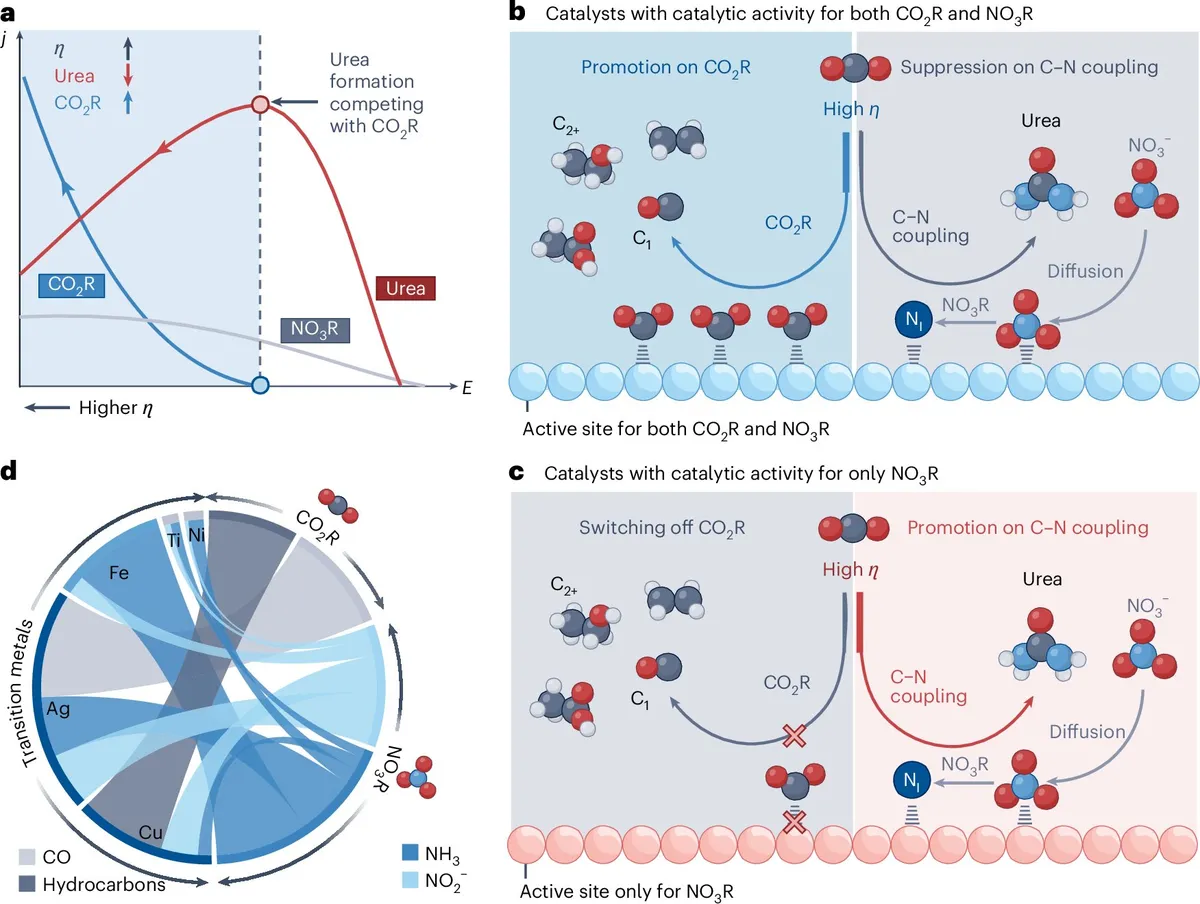
Remember when AI was mostly for generating surreal images of cats in space suits? This week, it was busy solving real-world challenges. Researchers at the National University of Singapore, for example, put AI to work identifying the perfect catalyst. The result? A computationally-guided strategy to turn CO2 and waste into fertilizer with impressive efficiency. That’s carbon capture and resource recovery rolled into one. Meanwhile, engineers at UC San Diego paired AI with a minuscule optical device, creating a system that can correct distorted light in everything from microscopes to smartphone cameras, making every image just a little bit sharper. And when hurricane season rolls around, AI isn't just predicting storms; it's being deployed by cell carriers to strategically position 'COWs' (Cells on Wheels) and drones to keep you connected when it matters most. If you've been wondering when AI would move past the novelty phase, this week it showed up for its shift.
Tiny Changes, Big Payoffs
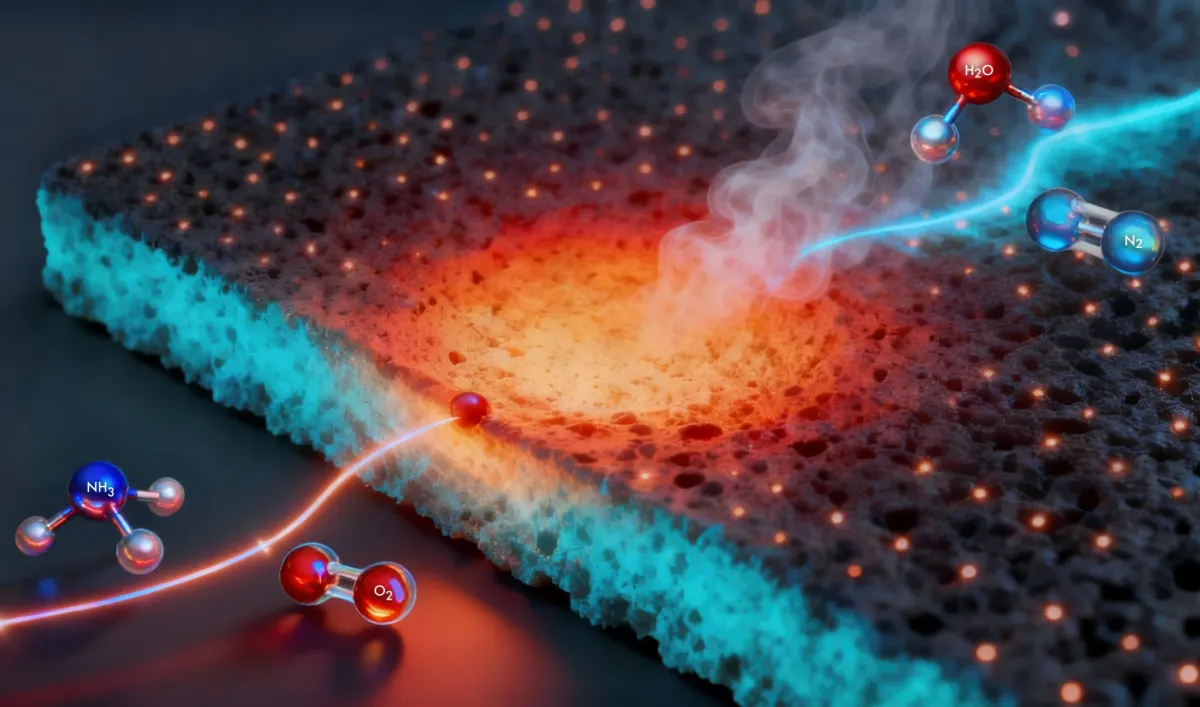
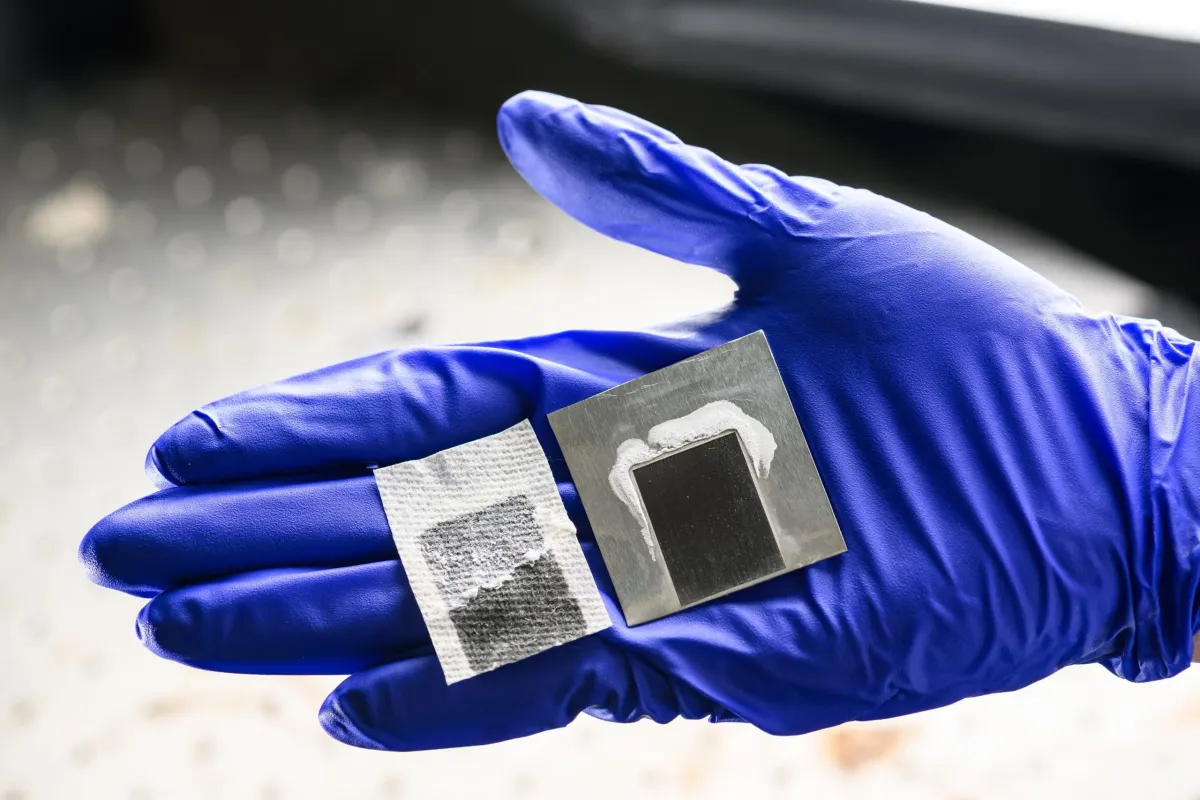
Sometimes, the most impactful breakthroughs aren't grand pronouncements but rather subtle adjustments that unlock massive potential. Take ammonia, for instance. Long considered a promising clean fuel for heavy industry, it had a few stubborn technical hurdles. This week, scientists announced that a tiny platinum tweak in a new catalyst has overcome these obstacles, potentially unlocking ammonia's widespread use as a clean energy source. Similarly, the quest for better batteries often feels like a moonshot, but a team from South China Normal University found a new solid-state polymer electrolyte that allows lithium metal batteries to shrug off extreme temperatures from -40°C to 55°C. These aren't just incremental improvements; they're the kind of precise, targeted innovations that redefine what's possible in critical sectors. Next time someone tells you small changes don't matter, you now have a compelling counter-argument.
We're a new kind of news feed.
Regular news is designed to drain you. We're a non-profit built to restore you. Every story we publish is scored for impact, progress, and hope.
Start Your News Detox"A new solar desalination breakthrough turns seawater into drinking water while eliminating brine waste and recovering valuable minerals. Billions of people around the world still do not have reliable access to safe drinking water." — Read the full story
The Unexpected Upside of Everything
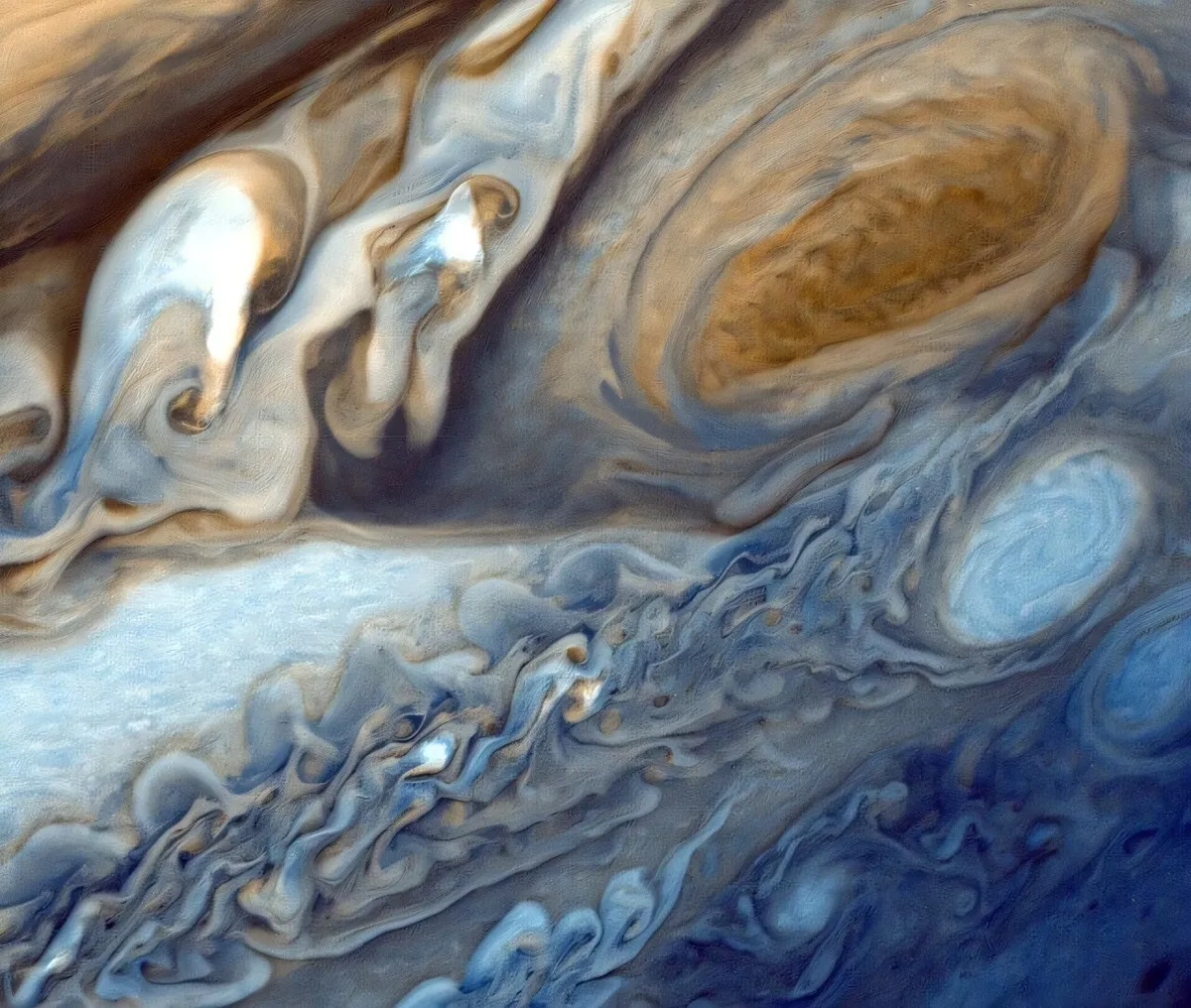
Who knew that solving one problem could inadvertently solve another, or that the universe itself was just full of happy accidents? Scientists this week revealed a fascinating dual-purpose solution: a new desalination method that not only turns seawater into drinking water but also eliminates toxic brine waste and recovers valuable lithium. It’s a literal win-win-win for water scarcity and resource extraction. And in a discovery that sounds straight out of a sci-fi novel, researchers studying Jupiter's magnetic field found that the planet's bow shock is flinging electrons at nearly light speed. While this might not directly impact your morning commute, it sheds light on a potentially universal mechanism for particle acceleration across the cosmos. It's a reminder that sometimes, the solutions or insights we seek are hiding in plain sight, waiting for us to connect the dots.
Hope stat: 2.2 billion — people who could gain access to safe drinking water through a single, elegant new desalination technology.
Watch this space: The continued integration of AI into industrial and environmental solutions, moving from abstract concepts to tangible, problem-solving applications.