For 2.2 billion people worldwide, reliable access to safe drinking water is still a pipe dream. Meanwhile, traditional desalination plants, while helpful, often come with a side of environmental guilt: highly concentrated, toxic brine dumped back into the ocean, wreaking havoc on marine life. Because apparently, solving one problem means creating another.
But a team at the University of Rochester just dropped a mic on that dilemma. They've developed a solar-powered system that not only turns seawater into drinking water but also recovers valuable minerals without producing a single drop of toxic brine. Yes, you read that correctly. They're making fresh water and mining for treasure, all while being surprisingly eco-friendly.
How to Drink the Ocean and Get Rich
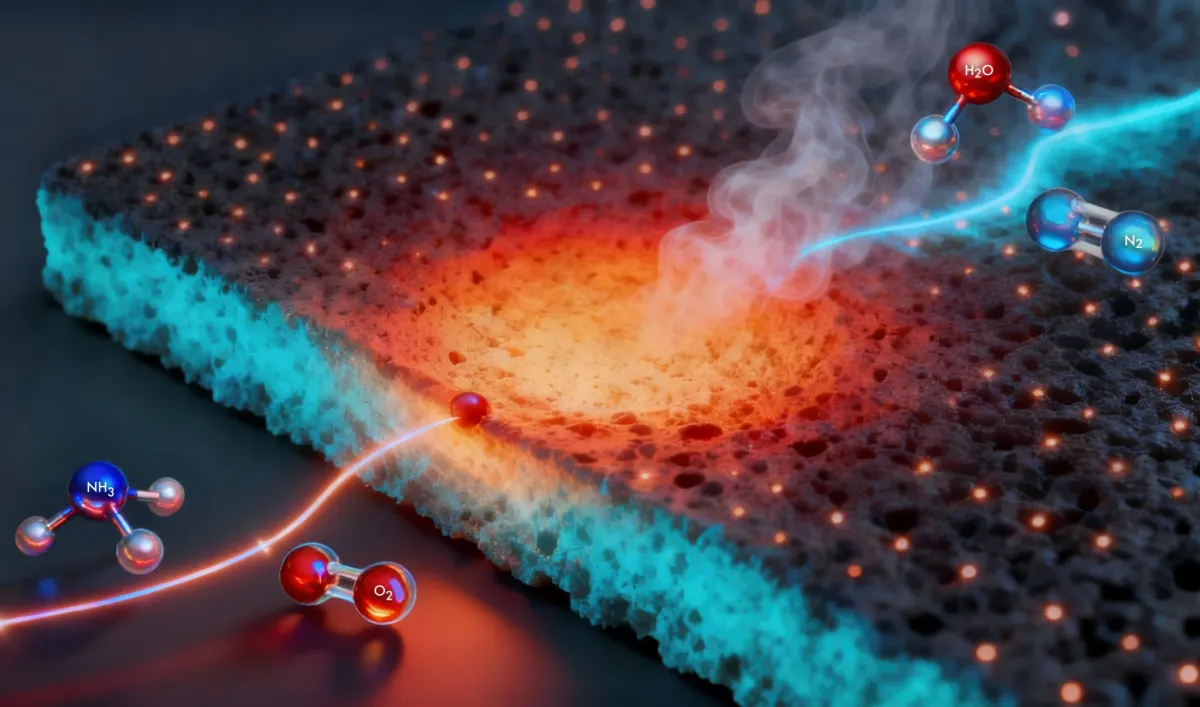
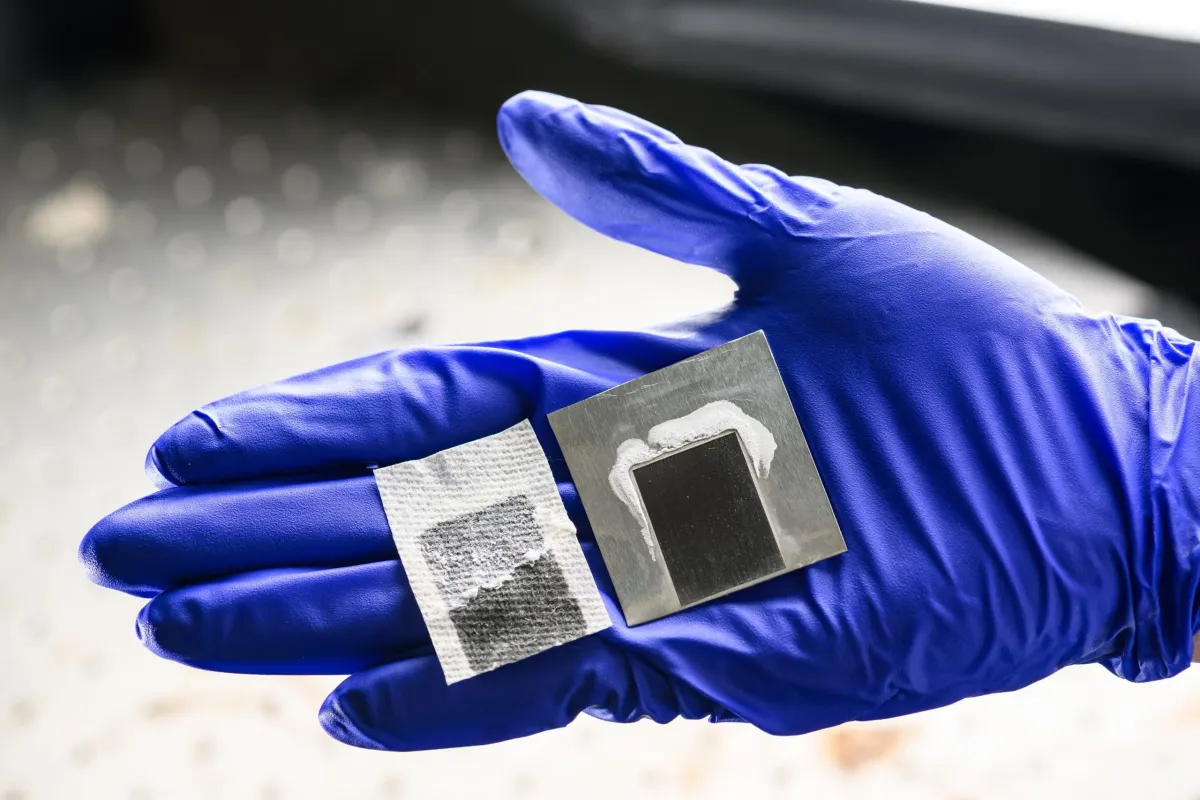
Led by Professor Chunlei Guo, the team's system uses special solar panels made from black metal. These aren't just any panels; they're textured with ultrafast femtosecond lasers, giving them two superpowers: extreme sunlight absorption and an almost magnetic attraction to water (superwicking, if you want to get technical). Here’s the elegant part: a laser-treated section of the panel draws in a thin layer of seawater. It then soaks up nearly all the sunlight, heating the water until it evaporates. As the freshwater distills, all the dissolved salts and minerals are shooed away to untreated sections of the panel — the passive regions. It's like a bouncer for sodium chloride, keeping the party clean and the water flowing.
We're a new kind of news feed.
Regular news is designed to drain you. We're a non-profit built to restore you. Every story we publish is scored for impact, progress, and hope.
Start Your News DetoxNow, anyone who's ever tried to clean a coffee maker knows that mineral buildup is the enemy. Real seawater is a witches' brew of magnesium, calcium, and other compounds that love to form crusty blockages. To combat this, the Rochester team engineered microscopic grooves into the black metal surface and harnessed the humble coffee ring effect. You know, how coffee particles all gather at the edge of your mug as it dries? They applied that same principle to push salts to the passive regions, preventing clogs and keeping the system running continuously.
They even tested it with water from the Pacific, Atlantic, and Indian Oceans. The system just kept on chugging, self-cleaning, and directing salts away. Which means you can collect those salts without ever losing efficiency. ## From Brine to Battery Gold
The real kicker? This tech doesn't produce liquid brine. Instead, it recovers almost all dissolved salts as solids. These solids aren't just for seasoning your dinner; they can be refined for far more valuable elements. We're talking lithium — the critical component in the batteries powering your phone, your electric car, and pretty much our entire modern existence.
In a related study, Guo's team showed that the same superwicking panels, when enhanced with hydrogen titanate nanoparticles, can specifically capture lithium from the salt mixture. Considering that traditional lithium mining is an energy-intensive environmental headache, pulling it directly from saltwater could be a game-changer.
They even tested it with water from Utah’s Great Salt Lake, recovering about 50% of the lithium. So, if successful at scale, this system could mean more drinking water for billions, and a more sustainable source for the minerals that make our world go 'round. All while turning what was once toxic waste into actual treasure. Let that sink in.