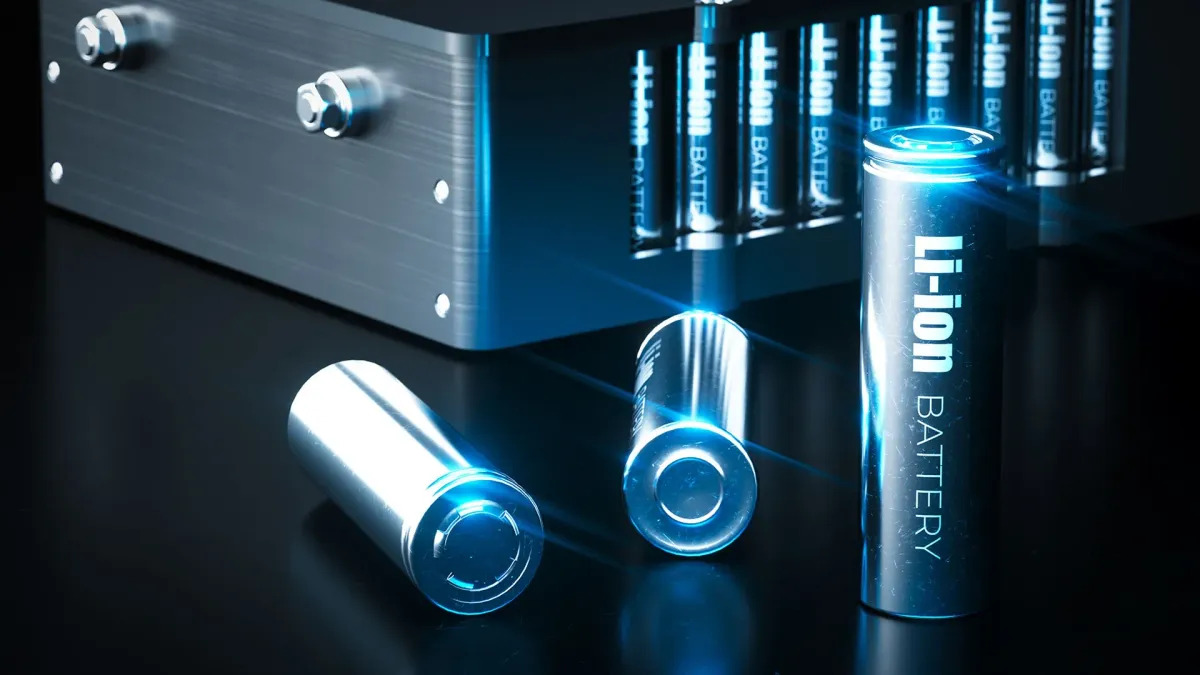
Imagine a battery that laughs in the face of extreme temperatures. One that powers your electric car in an Arctic blast or a desert heatwave without breaking a sweat. Scientists have just cooked up a new solid-state battery electrolyte that does exactly that, shrugging off everything from a bone-chilling -40°C to a scorching 55°C.
For years, solid-state batteries have been the holy grail of energy storage. They're safer than current lithium-ion models (no flammable liquids, thank you very much) and promise longer life. The catch? Most solid electrolytes are finicky. They don't conduct ions well, play nice with electrodes, or handle high voltages without throwing a fit.
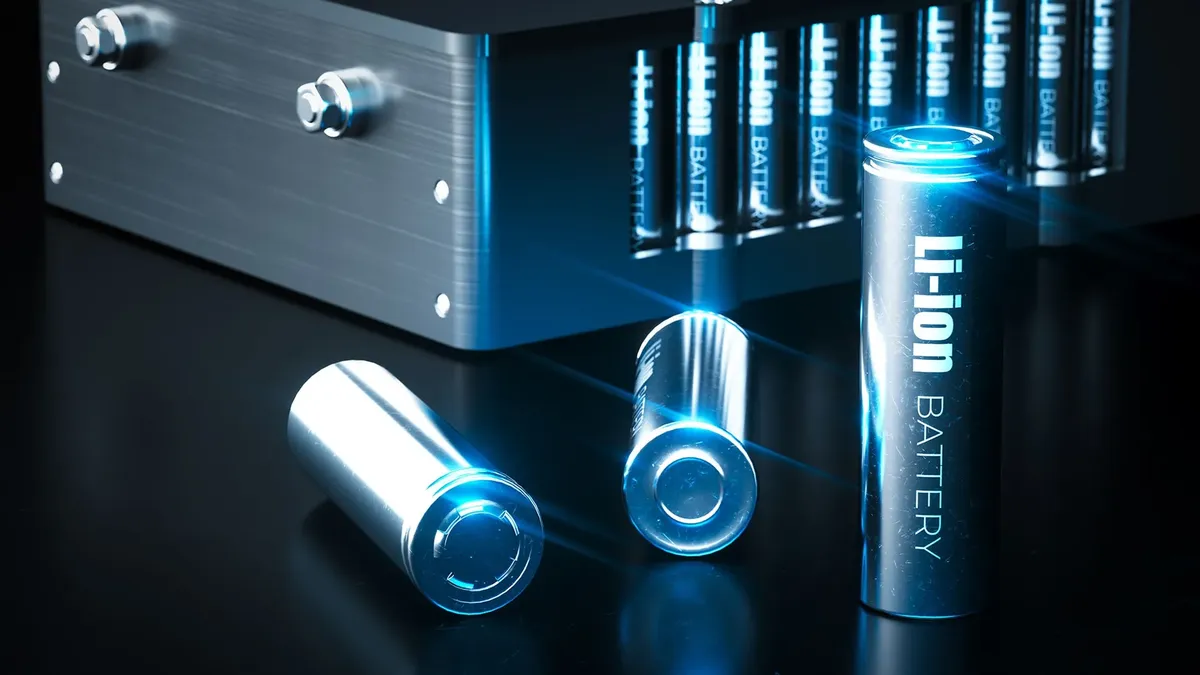
Enter a team from South China Normal University, who decided to tackle these issues head-on. Their secret sauce is a new cross-linked poly(tetrahydrofuran) (or poly(THF) if you're in a hurry) electrolyte. It starts as a liquid, then hardens inside the battery, making perfect contact with the electrodes. Which, if you think about it, is both impressive and slightly terrifying.
We're a new kind of news feed.
Regular news is designed to drain you. We're a non-profit built to restore you. Every story we publish is scored for impact, progress, and hope.
Start Your News DetoxThey essentially built a better mousetrap by focusing on three key problem areas: voltage stability, ion movement, and electrode protection. First, they swapped out a common chemical for tetrahydrofuran, boosting the electrolyte's ability to resist oxidation and handle a robust 4.9 volts. Because who doesn't want more power?
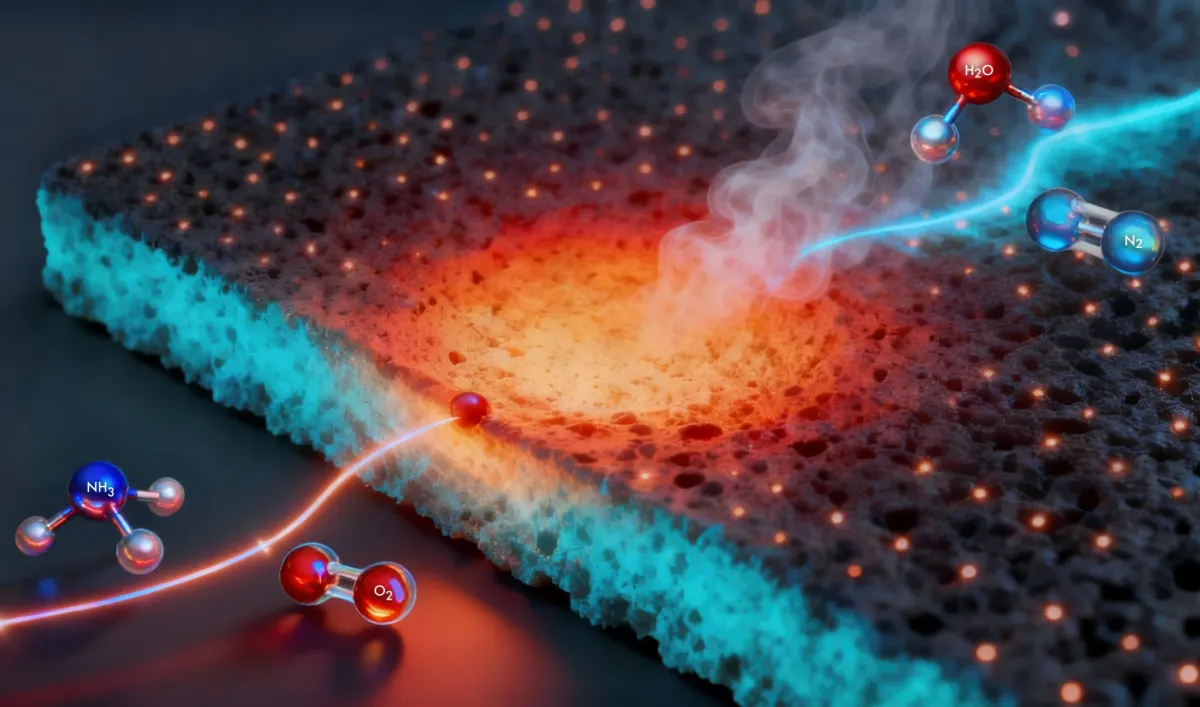
Next, they threw in a cross-linking agent to create a 3D structure — think of it as a microscopic highway system for lithium ions. This dramatically improved how quickly ions could zip around, hitting an ionic conductivity of 3.3 mS/cm at room temperature. Let that satisfying number sink in.
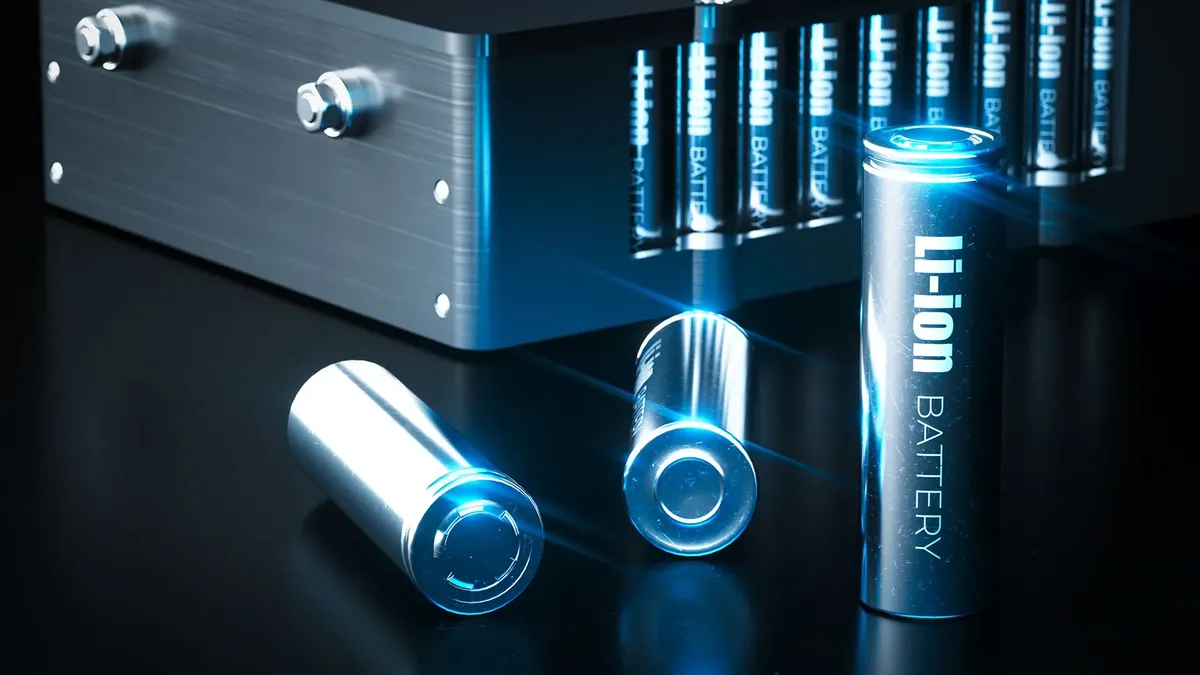
Finally, they added something called lithium difluoro(oxalato)borate (LiDFOB), which sounds like a spell from a fantasy novel but is actually quite clever. Not only did it kickstart the hardening process, but it also formed a protective armor on both electrodes. This armor — a mix of lithium fluoride and boron-oxygen-fluorine compounds — keeps the battery stable through hundreds of charge and discharge cycles, minimizing those pesky unwanted reactions.
Built for the Extremes
The real magic, however, is how this battery performs when things get wild. Tested in lithium metal batteries with high-performance cathodes, it maintained stability at 4.5 volts for hundreds of cycles, showing almost no capacity loss. Then came the temperature tests. From the kind of cold that makes your teeth ache (-40°C) to the kind of heat that melts pavement (55°C), the batteries just kept working.
This isn't just a lab curiosity. This kind of resilience is crucial for electric vehicles that need to operate globally, for electric vertical take-off and landing aircraft (because apparently that's where we are now), and for large-scale energy storage systems that can't afford to be finicky.
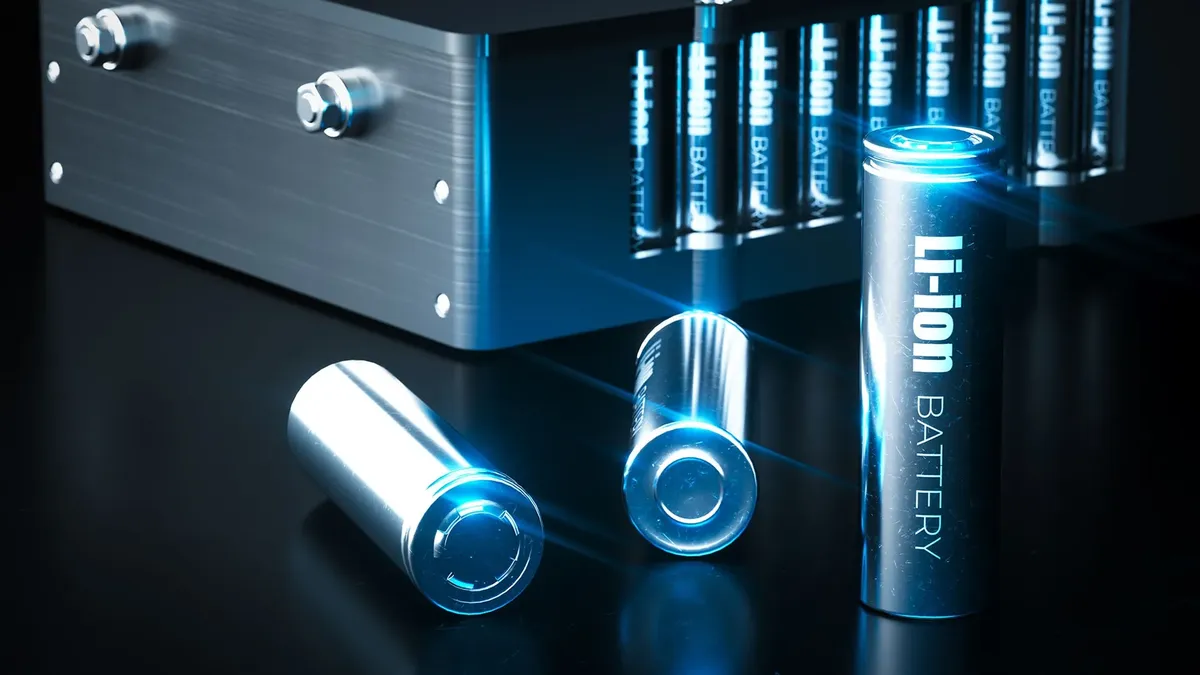
Perhaps the best part? The manufacturing process. Since the electrolyte hardens in situ, battery makers won't need to rip out and replace their entire production lines. It's a drop-in solution that plays nice with existing equipment. Which means we might just see these super-tough batteries sooner rather than later. Your future self, stuck in traffic during a heatwave, will thank them.