Remember when your computer just… computed? Nvidia is apparently nostalgic for that era, because they're taking your laptop and desktop and stuffing them full of so much AI, they're calling them "AI personal computers." Because apparently that's where we are now. The US tech giant just unveiled a new chip that promises to bring artificial intelligence directly to your machine, no cloud required.
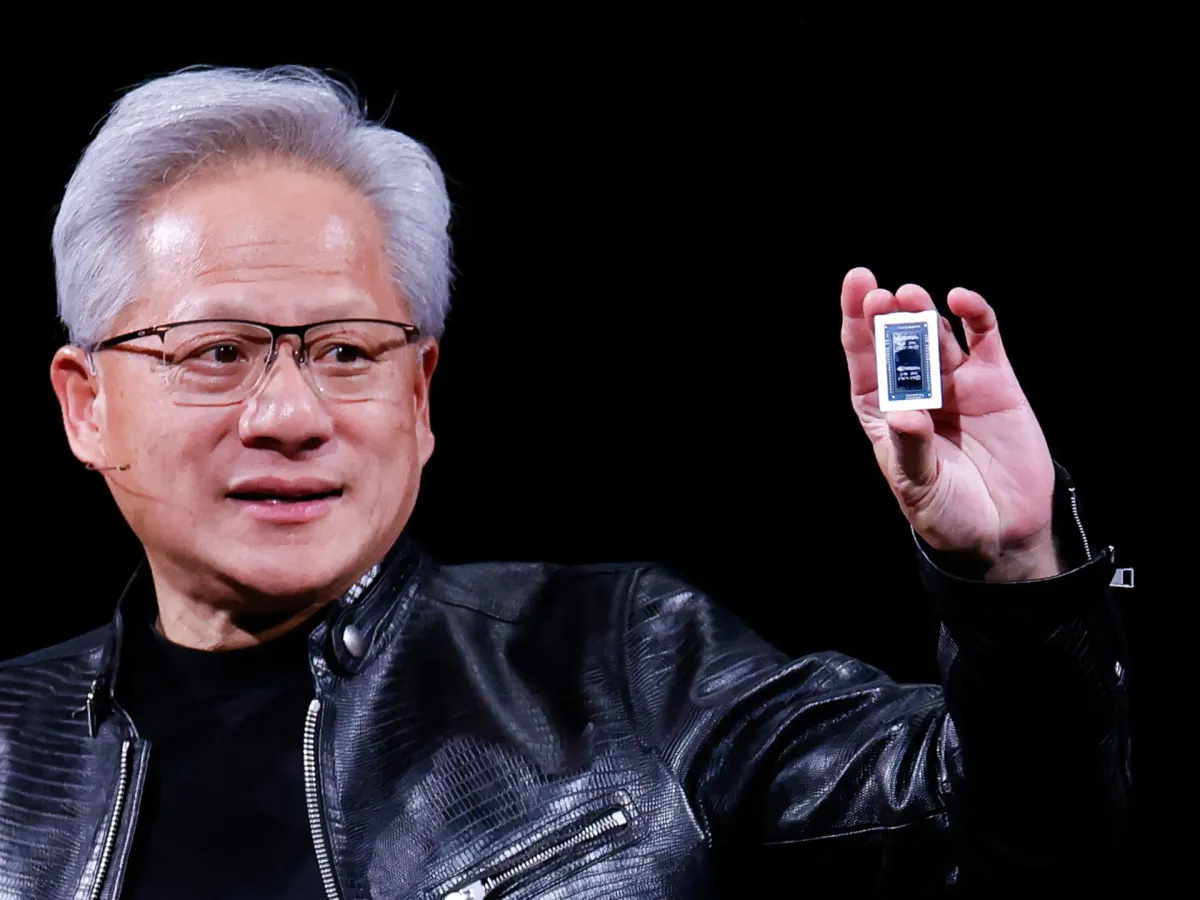
At their annual GTC event in Taipei, Nvidia CEO Jensen Huang declared this development would "reinvent the PC." Which, if you think about it, is both impressive and slightly terrifying. Their new RTX Spark superchip — a beautiful Frankenstein's monster of CPU and GPU capabilities developed with Taiwan's MediaTek — is set to power new Windows laptops and desktops this fall. Think Dell, HP, Lenovo, ASUS, Microsoft Surface, and MSI, with Acer and GIGABYTE to follow. Your current computer just got a serious case of imposter syndrome.
Nvidia, already the world's most valuable company (let that satisfying number sink in), says this reinvention will supercharge everything from creativity to gaming. Huang painted a picture of an autonomous AI agent living inside your computer, understanding you, chatting with you, and generally being a digital butler for tasks like reading files or research. Microsoft, ever the eager partner, confirmed these machines will support "highly capable AI models" and tackle complex tasks right there on your desk. Huang called it the "first across the lineup of PC reinvention for 40 years." Which is quite a claim to make about a machine that already knows what you're thinking before you type it.
We're a new kind of news feed.
Regular news is designed to drain you. We're a non-profit built to restore you. Every story we publish is scored for impact, progress, and hope.
Start Your News DetoxYour Future AI Butler Also Has a Robot Friend
Analysts are, unsurprisingly, hyped. Lian Jye Su from Omdia notes the move is critical given the growing demand for personal AI agents, while Neil Shah of Counterpoint Research sees a PC revolution brewing over the next decade. He envisions "agentic AI applications in every home," transforming each household into an "AI supercomputer." Just imagine the arguments you'll have with your new digital housemate.
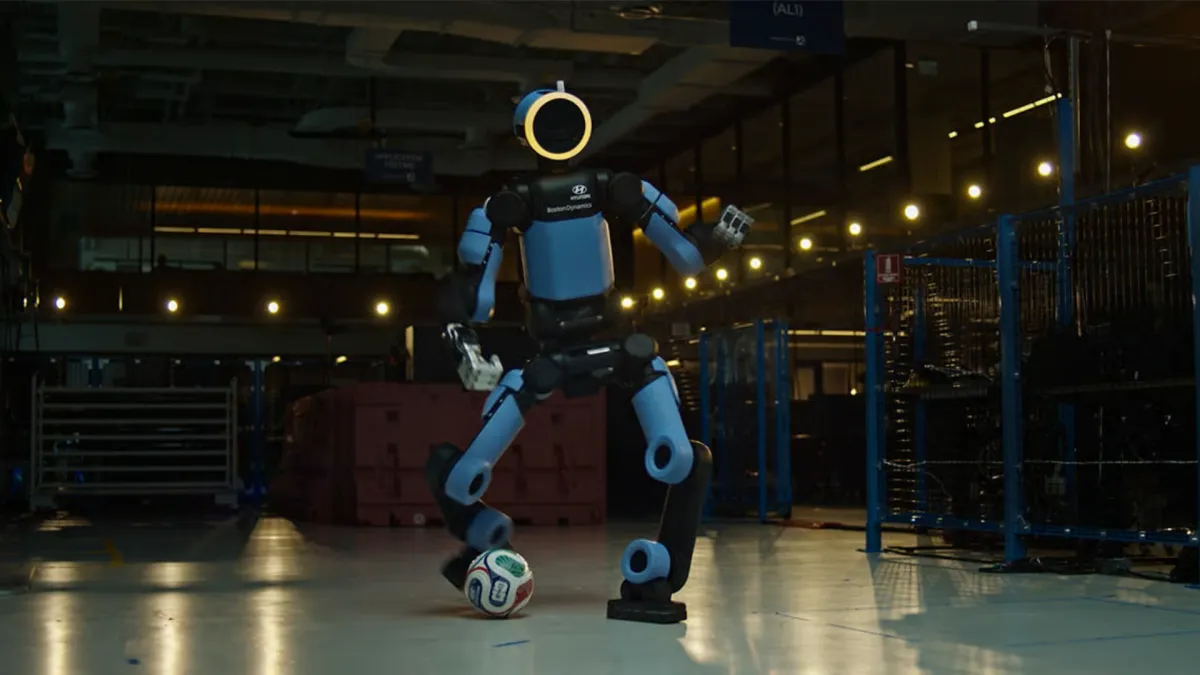
And because one major announcement is never enough, Nvidia also revealed its new Vera CPUs for data centers are now in full production, with early customers including Anthropic, OpenAI, and SpaceXAI. Because of course they are. But the real showstopper for those who enjoy a dash of sci-fi with their tech news? Nvidia's humanoid robot reference design, "Isaac GR00T." This nearly six-foot-tall marvel, featuring a chassis from Chinese robot maker Unitree's H2 and five-fingered hands from Singapore-based Sharpa, can make precise movements. It's meant to be a blueprint for future research, especially in higher education. So, your future professor might just be an Isaac GR00T.
While the market reception for AI PCs has been a bit of a rollercoaster — HP reported a sales boost, but Dell saw lower-than-expected demand — the news sent Nvidia's stock up nearly 4 percent. Microsoft ticked up 2.5 percent, and Dell surged 9.3 percent. Meanwhile, competitors AMD and Intel watched their stocks decline. Because when Nvidia decides to reinvent something, it tends to leave a few craters.