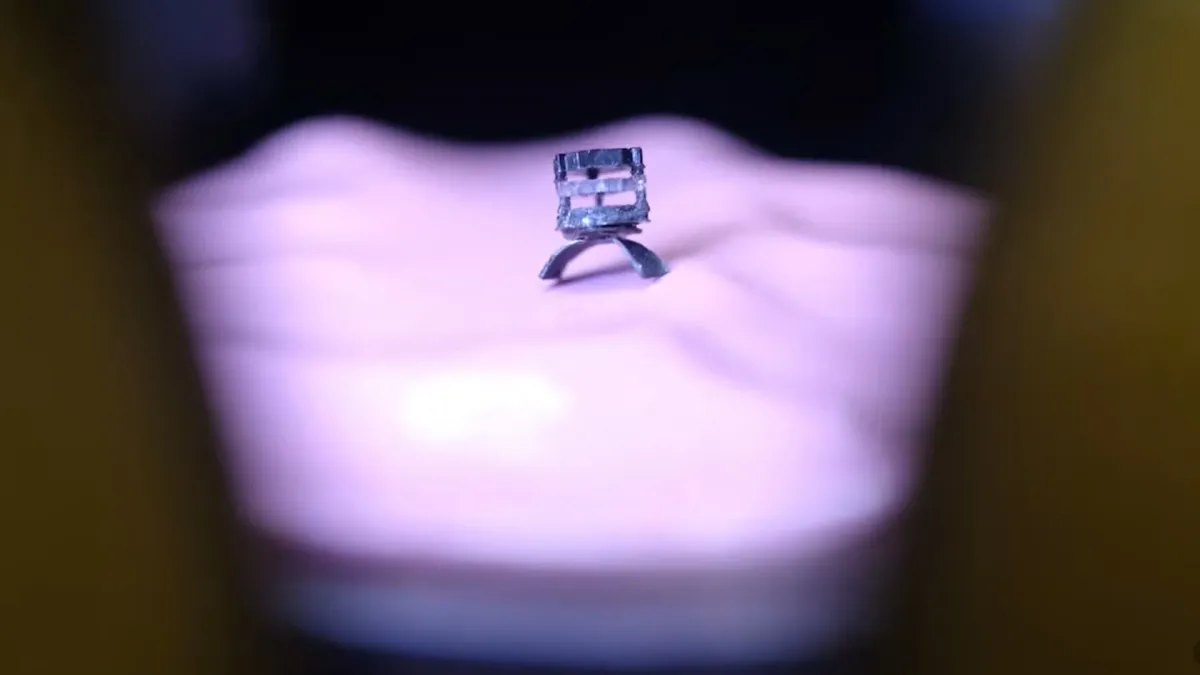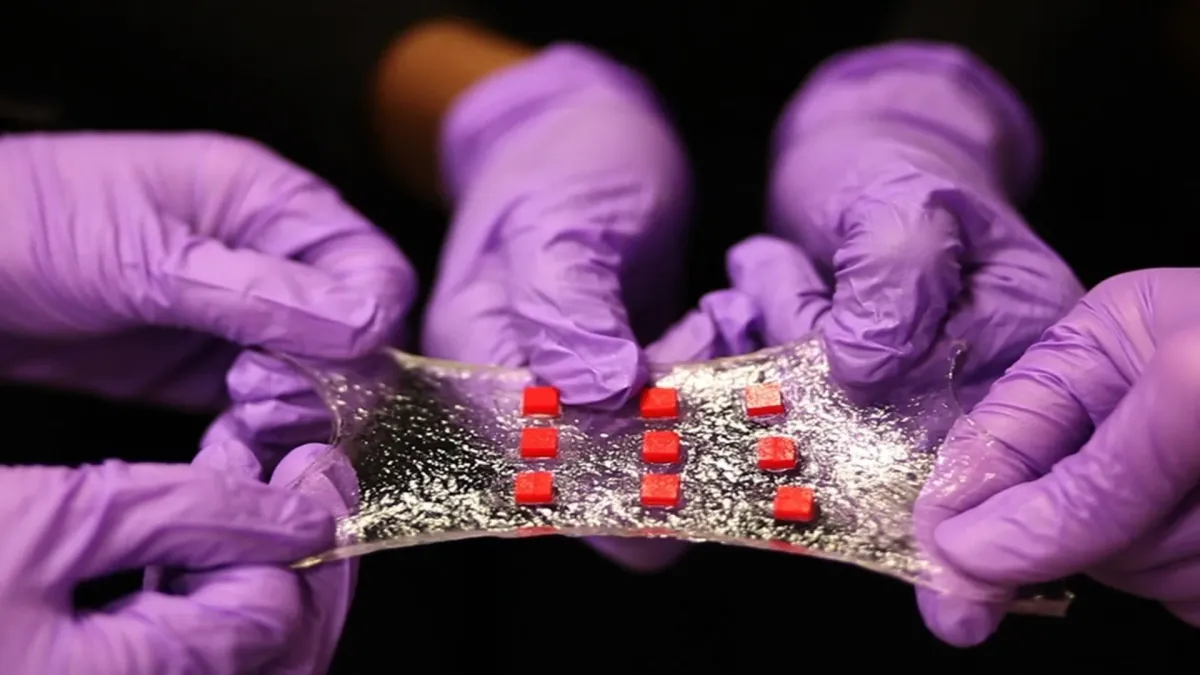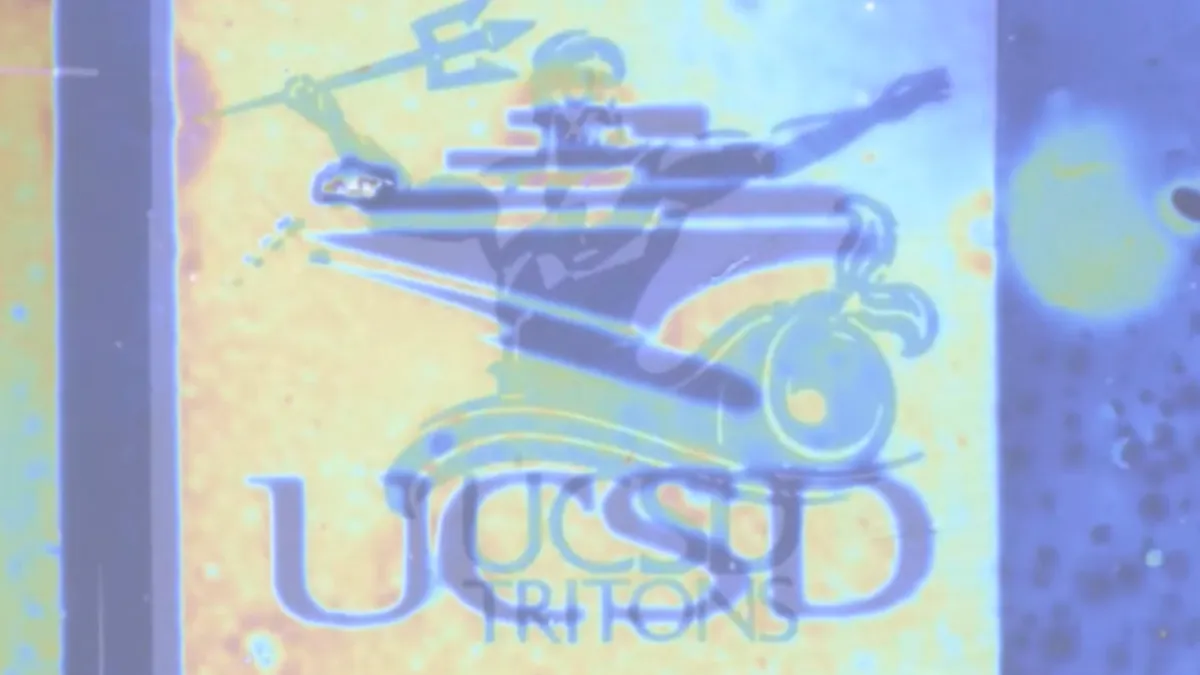
Engineers at the University of California San Diego (UCSD) have created a special chip that can hide secret messages. This chip, about the size of a postage stamp, reveals its hidden image only when the air becomes humid enough. If you breathe on it, the message appears.
The message then disappears again when the air dries out. This technology could be useful for spies, but also for things like security codes on credit cards or even to show changes in local climate. Humidity acts like a key to unlock the information.
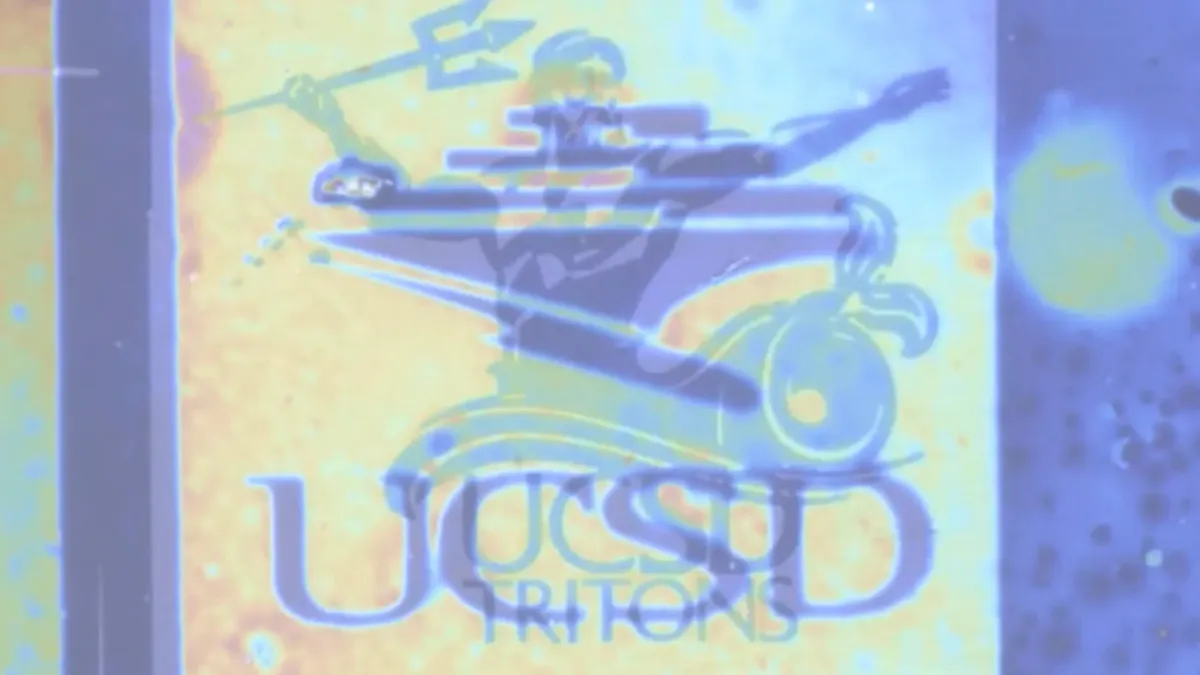
Asad Nauman, a researcher on the project, explained that this could be a built-in security feature. The environment itself would unlock different pieces of information.
We're a new kind of news feed.
Regular news is designed to drain you. We're a non-profit built to restore you. Every story we publish is scored for impact, progress, and hope.
Start Your News DetoxHow the Hidden Message Works
The chip has two layers of hydrogel. The bottom layer is made of antimony trisulfide. Lasers can etch messages, like text or images, onto this layer. This acts as the canvas.
The top layer is made of a softer material called azido-grafted carboxymethyl cellulose. This layer expands when it's humid and shrinks when it's dry. This movement is what makes the hidden message appear and disappear.
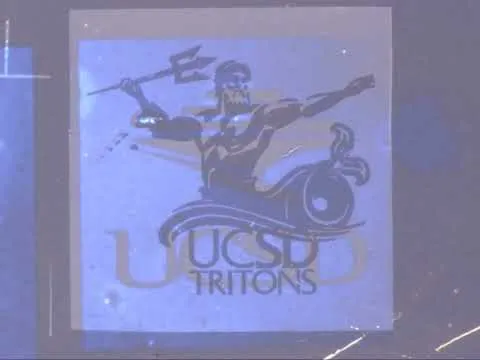
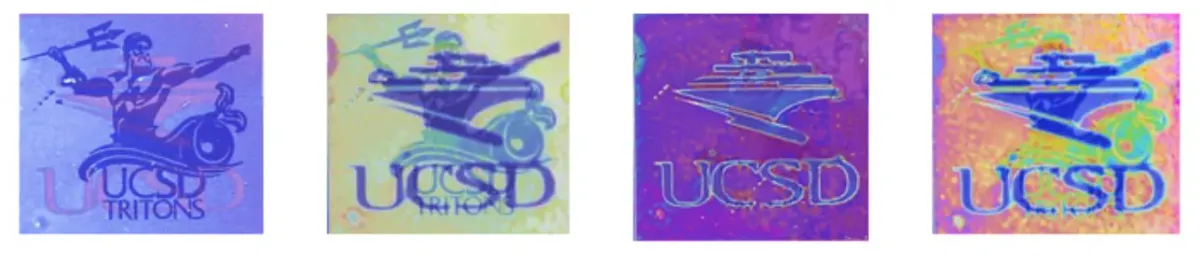
When humidity is low, at 40% or less, the first message is visible. As humidity rises to about 60%, the hidden message starts to show. It becomes fully clear at 80% humidity.
The image also changes color, shifting from blue to red. This happens because the top layer swells, creating more space between the layers. This extra space changes how light reflects off the chip.
For this technology to work well, the user needs to be in an area with predictable humidity. Breathing on the chip in a very humid place might not work. Still, it offers a new way to hide messages compared to traditional invisible inks.
Deep Dive & References
Humidity-based image encoder with dynamic color and pattern switching - Light: Science & Applications, 2024