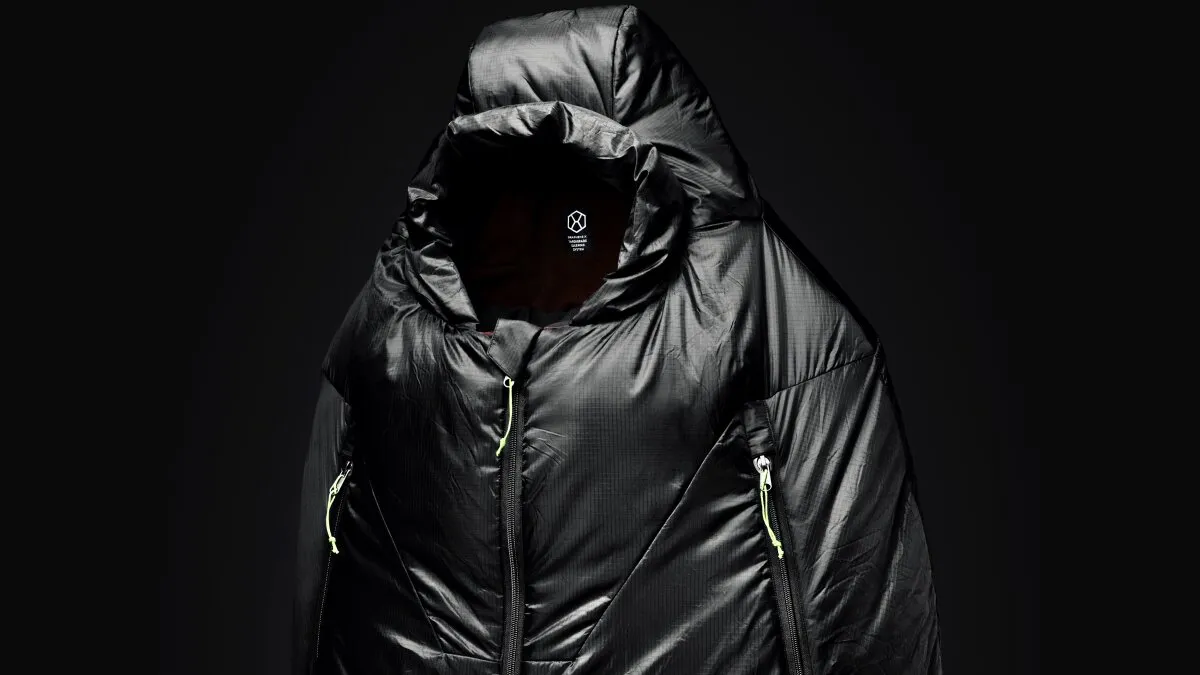
Graphene-X, a company from Hong Kong, is entering the camping market. They are launching a new product called the Tardigrade Sleeping System. It is currently available for funding on Kickstarter.
The system is named after the tardigrade, a tiny animal known for being extremely tough. These creatures can survive temperatures from -272 °C to 150 °C (-458 °F to 302 °F). While the sleeping system won't handle such extremes, it aims to work well for both summer and winter camping.
A Modular Approach to Camping Comfort
Many sleeping bags are already on the market, but Graphene-X believes there's still room for improvement. They argue that choosing a good sleeping bag often means making compromises. Campers usually want one bag that works all year, rather than buying several different ones.
We're a new kind of news feed.
Regular news is designed to drain you. We're a non-profit built to restore you. Every story we publish is scored for impact, progress, and hope.
Start Your News DetoxThis idea inspired the Tardigrade Sleeping System. It's not just one product, but a set of three parts:
- Tardigrade Extreme: This is a winter sleeping bag. It works down to -30 °C (-22 °F) and weighs 1.9 kg (67 oz).
- Tardigrade Lite: This is a lighter bag for three seasons. It works down to -10 °C (14 °F) and weighs 1.4 kg (49 oz).
- Modular Cover: This thin layer has Graphinsulate fill. It can be buckled inside either sleeping bag for extra warmth. It weighs 334 g (12 oz).
The biggest challenge was making the system adapt to different conditions. This was solved by using a smart mix of materials. Two main technologies are involved: Graphinsulate insulation and WAI (Weather Adaptive Insulation).
Graphene is a material made of carbon atoms, just one atom thick. It is very strong and conducts heat well. It offers better warmth for its weight than down and keeps its quality after many washes.
The second key material is aerogel. This ultra-light material is made by replacing the liquid in a gel with air. NASA has used it in space missions because it's light and insulates well.
The creators put aerogel into polyester fibers. They filled special fabric tubes inside the sleeping bags with it. These tubes can inflate or deflate based on the outside temperature. This is part of the WAI system, which helps the bag adjust to different weather without becoming heavy.
Designed for Comfort and Convenience
The team also focused on making the sleeping system feel more like a bed. They wanted to fix common problems with traditional sleeping bags.
Often, sleeping bags feel like a tight cocoon, making it hard to move. You might have to unzip the whole bag to get your phone or water. The Tardigrade bags have zippers just for the arms. This lets you reach things without letting too much cold air in.
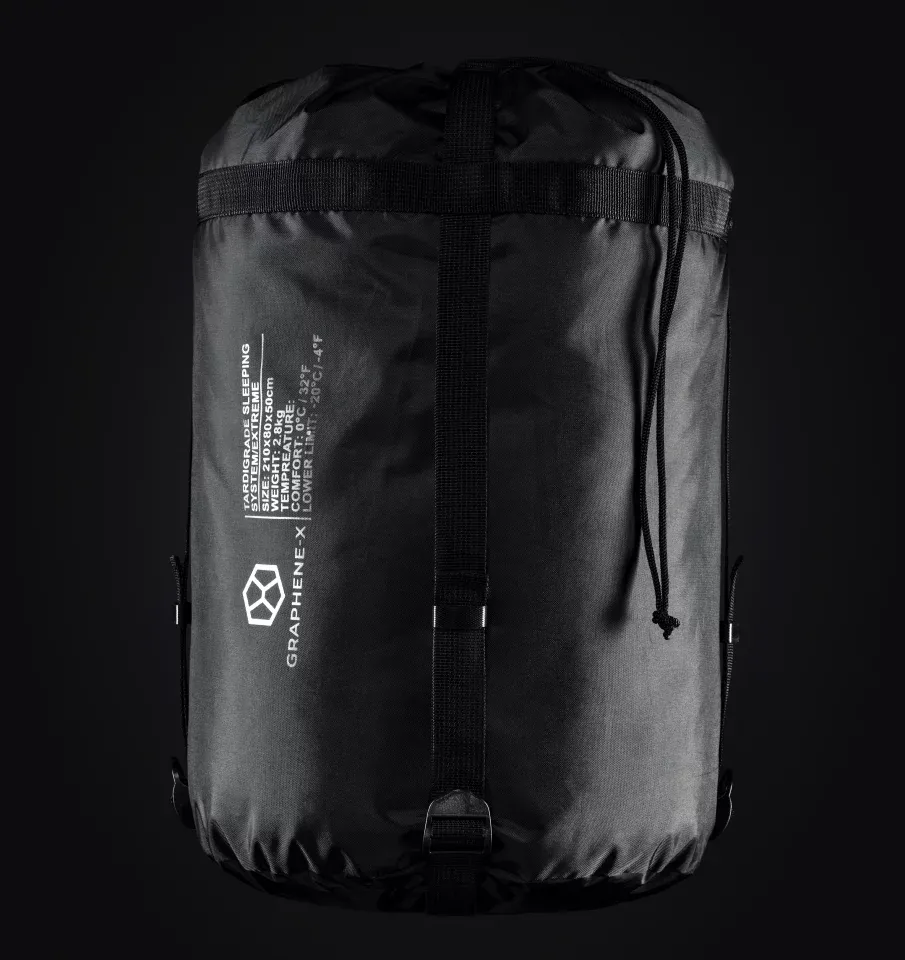
Another common issue is sliding off a sleeping pad. The Tardigrade bags have stretchy loops to hold an inflatable mattress underneath. Both the Extreme and Lite versions fit mattresses that are 220 x 56-65 x 8 cm (86.6 x 22.0-25.6 x 3.1 in). Both sleeping bags are the same size: 210 x 80 x 50 cm (82.7 x 31.5 x 19.7 in).
The Tardigrade sleeping bags also have an extra graphene layer at the foot for more warmth. They also include an internal pocket.
Early supporters on Kickstarter can get all three parts for US$629. The planned retail price is $979. You can also buy them separately: Lite for $249, Extreme for $359, and the modular cover for $109. Each system comes with a compression packing bag. If the campaign is successful, shipping will start in November.
Deep Dive & References Tardigrade Sleeping System - Kickstarter