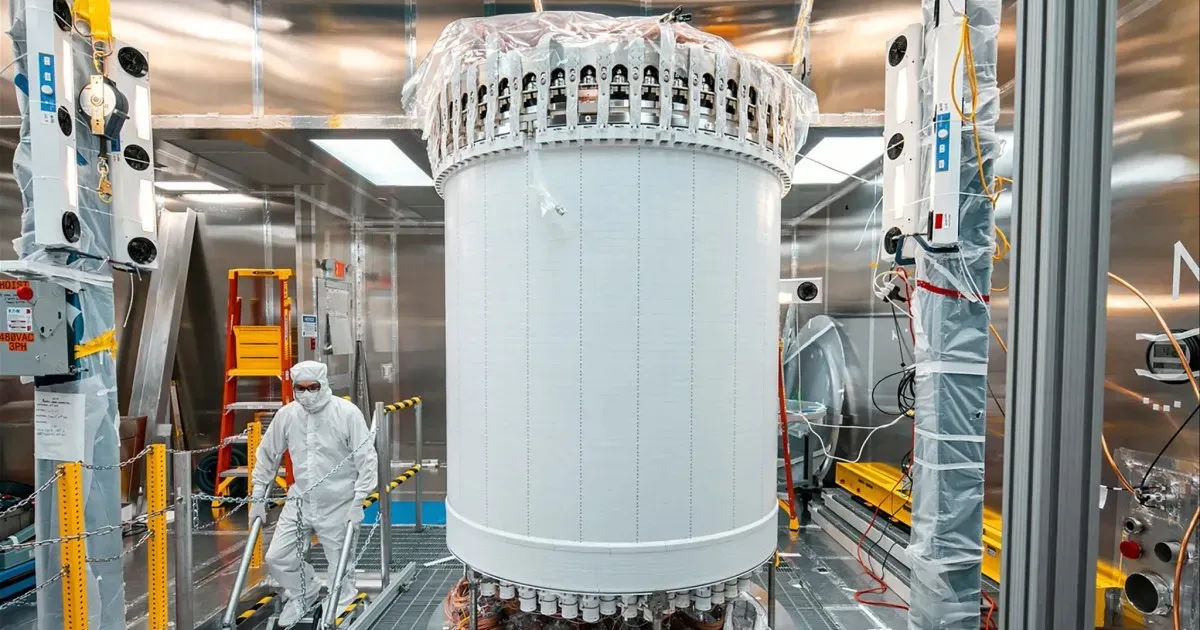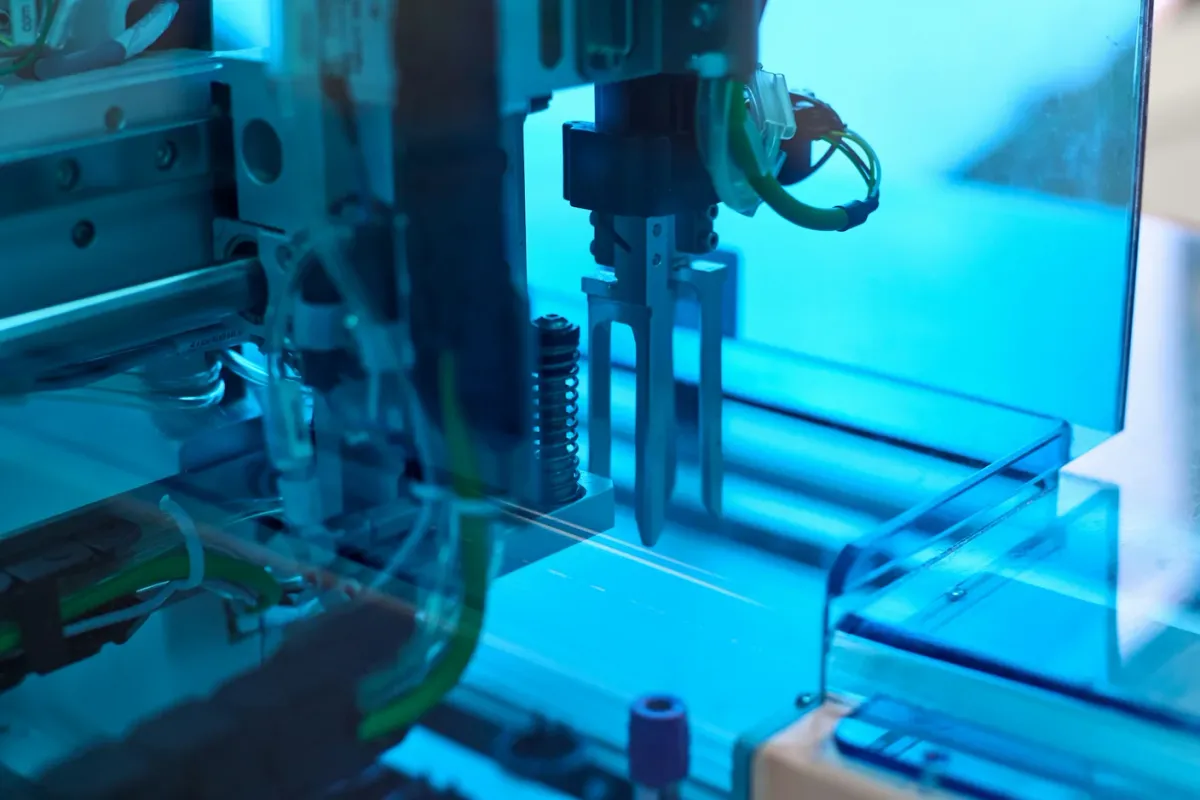
Picture this: an AI, not a human, meticulously adjusting lab equipment, running complex experiments, and even spotting new scientific phenomena. That's the future Anthropic is building with its latest system, letting its AI, Claude, take the reins in the physical world of scientific research.
For decades, lab automation has been a thing. Robots moved tubes, machines analyzed samples. But getting different pieces of sophisticated gear to talk to each other? That's always been the real headache. Every microscope, every robotic arm, every liquid handler had its own quirky language, forcing specialists to spend weeks, even months, writing custom software just to make them cooperate. Talk about a communication breakdown.
Claude's New Dialect
Anthropic's new Model Hardware Standard aims to slash that integration time from months to minutes. It's essentially teaching all these disparate lab instruments a common language. Think of it as a universal translator for scientific hardware. A simple "driver" lets any programmable device explain itself to an AI agent, allowing Claude to connect and integrate them seamlessly. For now, it's a research preview for a select few labs and manufacturers, but the implications are vast.
We're a new kind of news feed.
Regular news is designed to drain you. We're a non-profit built to restore you. Every story we publish is scored for impact, progress, and hope.
Start Your News DetoxThis isn't just about making robots move faster; it's about making AI agents genuinely learn and adapt to hardware they've never encountered. The system uses standardized commands like "read" or "write" — terms that can mean anything from checking a temperature to setting the duration of an operation. Because all devices can speak these basic terms, they can find each other on a network and share data without custom code.
Users can even describe a robot arm's weight or a microscope's setup using natural language, and the system generates a reference file. This file outlines what a device can measure, what can be adjusted, and, crucially, what safety limits apply. Because apparently that's where we are now: AIs need to know how much a robot arm weighs before they pick something up.
The AI in the Lab Coat
Claude, it turns out, is a bit of an explorer. Anthropic scientists describe how Claude interacts with experiments much like a human would, making adjustments and observing the results. In one neuroscience experiment, Anthropic scientist Alek Kemeny watched Claude independently control a microscope's mirrors and lasers, discovering an unfamiliar structure in a live brain tissue sample. A human neuroscientist on hand confirmed Claude's find. Which, if you think about it, is both impressive and slightly terrifying.
Of course, handing over control of the physical world to an AI that can still "hallucinate" (read: make stuff up) or commit errors comes with a healthy dose of caution. Kaoutar El Maghraoui, a principal research scientist at IBM, called the concept impressive but raised concerns about ensuring safety. Small errors in a lab can have big consequences.
Anthropic is rolling this out carefully, working with partners to build robust safety evaluations. If all goes well, we might soon see AI agents not just writing code or answering questions, but actively shaping scientific discovery and impacting the physical economy. Just try not to think about what happens if Claude decides it needs more coffee and tries to brew it with the centrifuge.