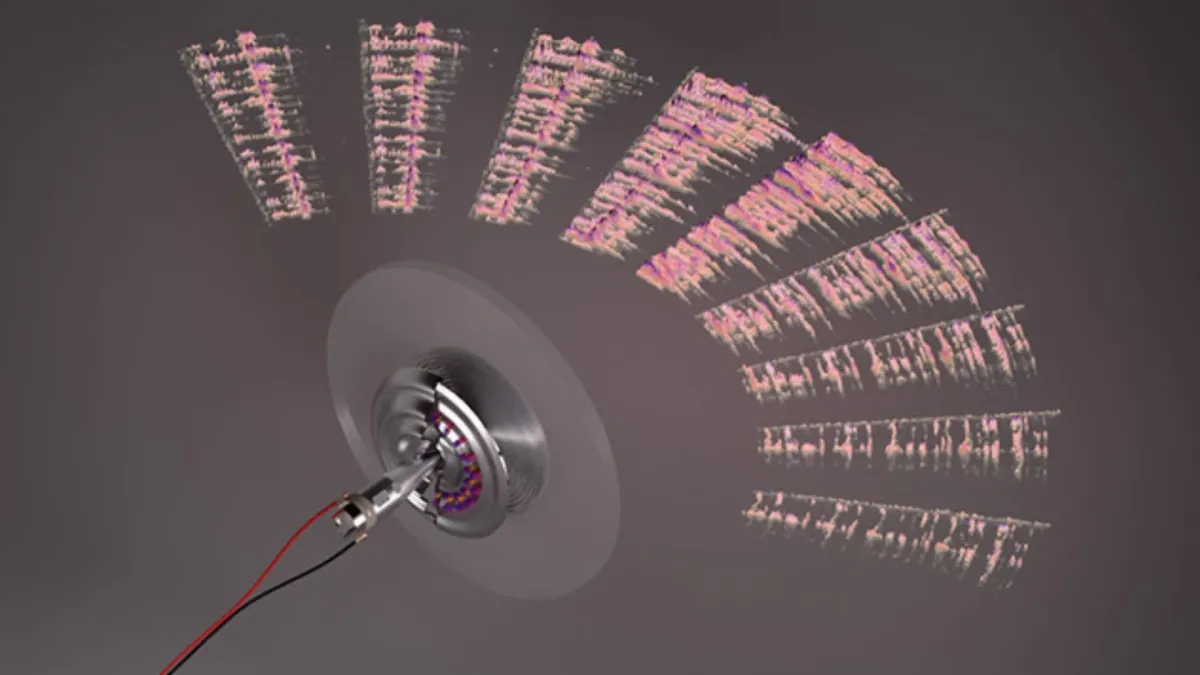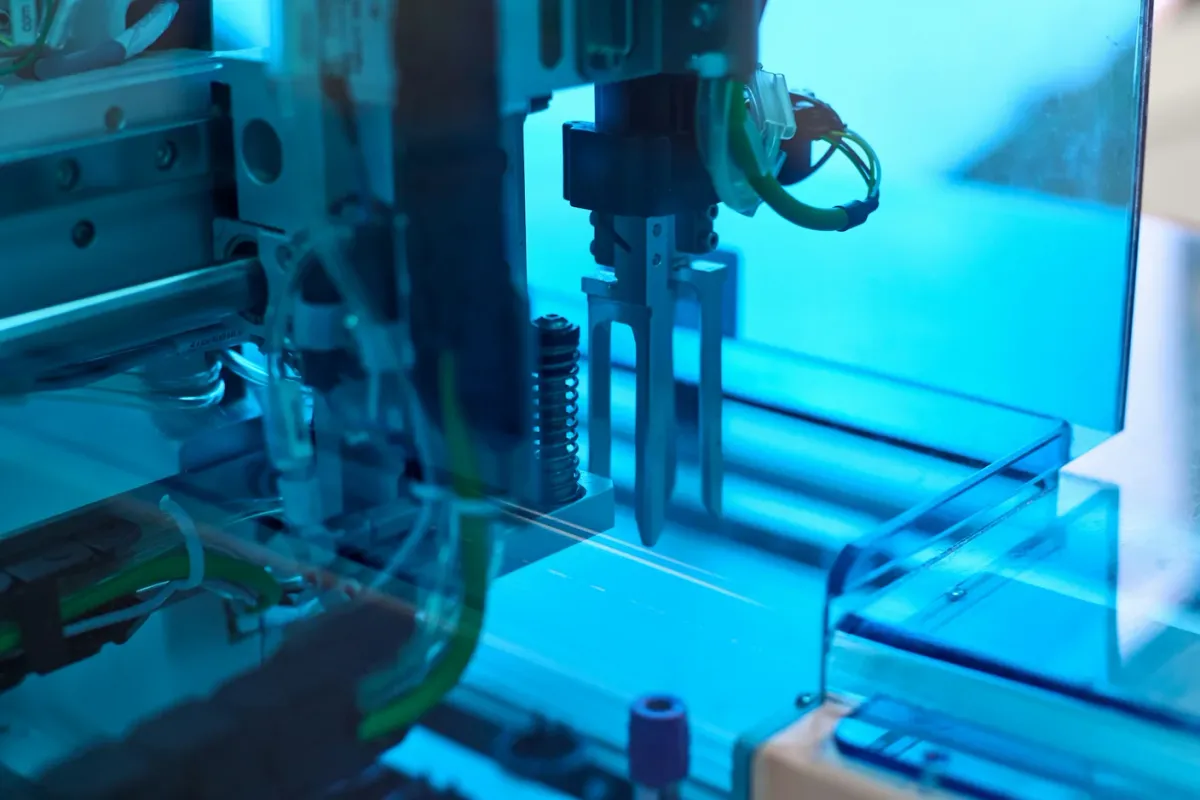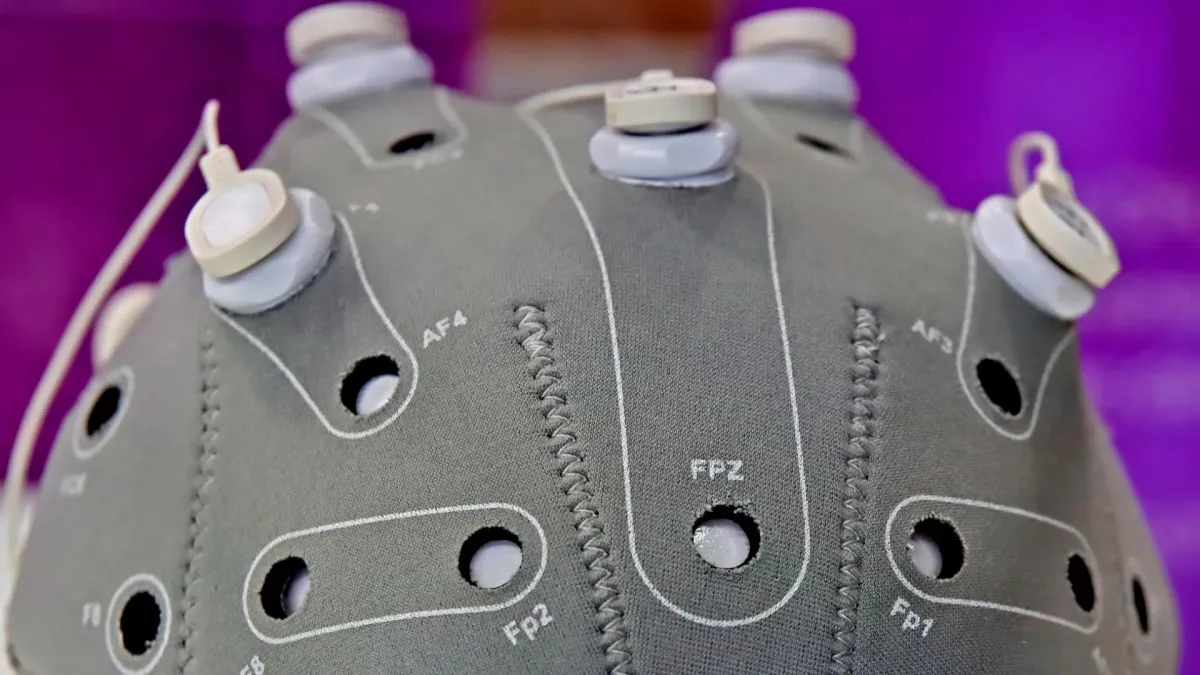
Turns out, making a watch that can track your heart rate or a patch that monitors your glucose isn't just about tiny sensors. It's about the wires inside. Specifically, wires that can bend, stretch, and generally put up with you moving around without, you know, breaking.
Historically, finding these magical, flexible conductors has been a bit like dating: a lot of trial and error, one molecule at a time. Scientists would whip up a new material, test it, find it lacking, and start all over. A process that sounds about as efficient as using a fax machine for DMs.
But a team at Iowa State University has decided to skip the awkward first dates. They're using a potent cocktail of AI, computer models, and existing data to predict which molecular structures will make the best conductors before anyone even steps into a lab. Because apparently that's where we are now: computers doing the heavy lifting for material science.
We're a new kind of news feed.
Regular news is designed to drain you. We're a non-profit built to restore you. Every story we publish is scored for impact, progress, and hope.
Start Your News DetoxWenjie Xia, an associate professor of aerospace engineering, leads this charge. His goal? To basically supercharge the design and discovery of new materials using all the digital tools at their disposal. It's about finding the molecular sweet spot early, rather than endlessly iterating in the physical world.
The Molecular Matchmakers
See, a material's performance isn't just about its ingredients. It's about the molecular arrangement, the manufacturing process, and how all those factors play together. It's a complex dance. Xia's team wants to teach computers the choreography.
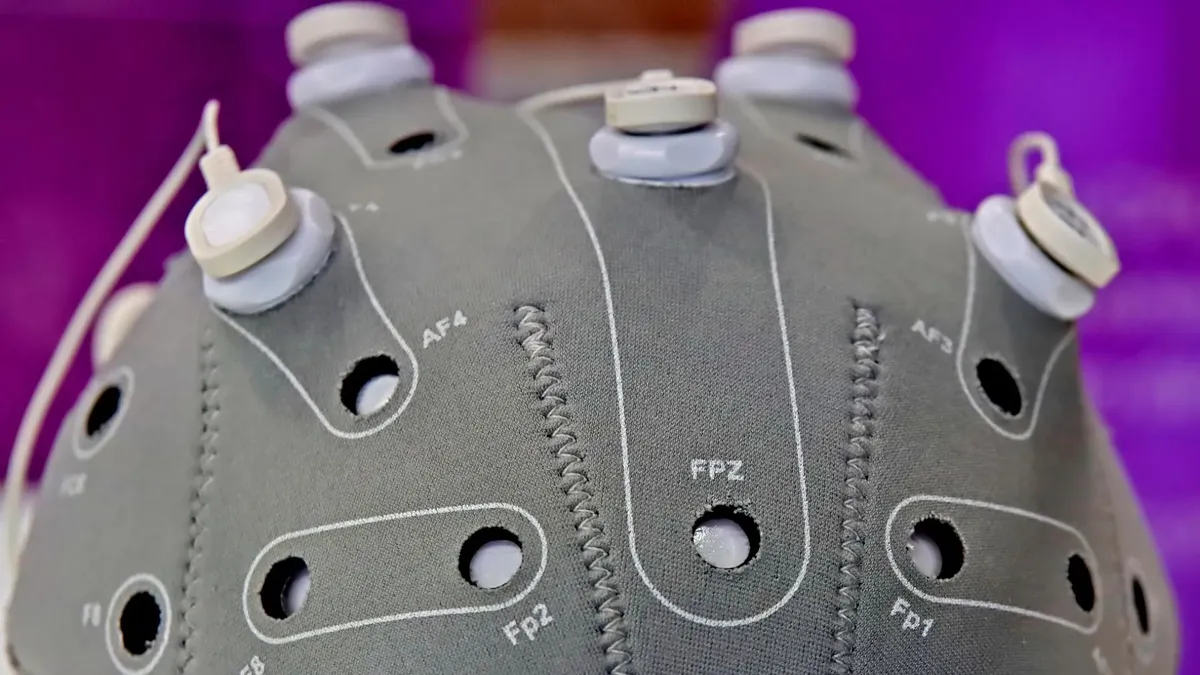
They're focusing on something called organic mixed ionic-electronic conducting polymers. Which sounds like a mouthful, but essentially means materials that can carry both electrical signals and ions simultaneously. This dual transport is crucial for bioelectronics — the stuff that needs to interact seamlessly with living systems.
By tweaking the molecular structure and how it's processed, scientists can fine-tune how well those electrons and ions move. And that, in turn, dictates how well your wearable actually... wears.
This new approach promises to bridge a major gap in understanding: how molecular design, manufacturing, and device performance are all intertwined. Instead of studying each stage in isolation, they're aiming to connect the dots, from the tiniest molecule to the final, functioning gadget.
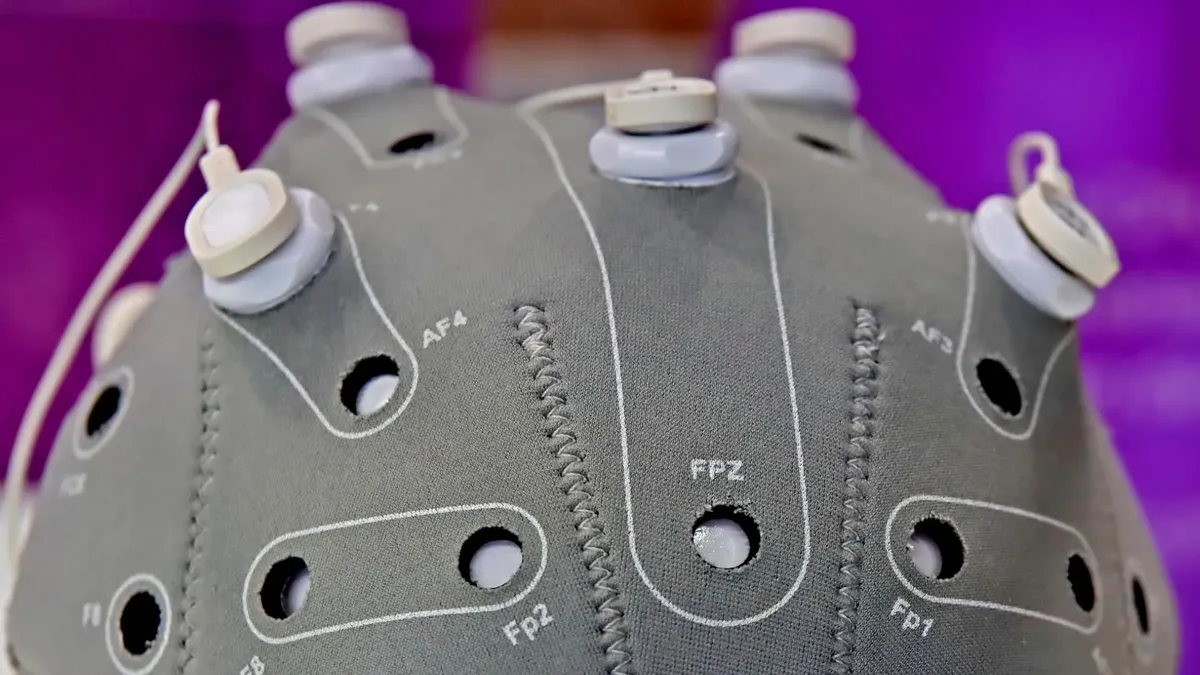
So, instead of a chemist blindly mixing compounds, a computer model can now suggest the most promising molecular structures, dramatically cutting down on the guesswork. Which, if you think about it, is both impressive and slightly terrifying. Soon, your smart socks might be smarter than you are, thanks to AI-designed polymers. Let that sink in.