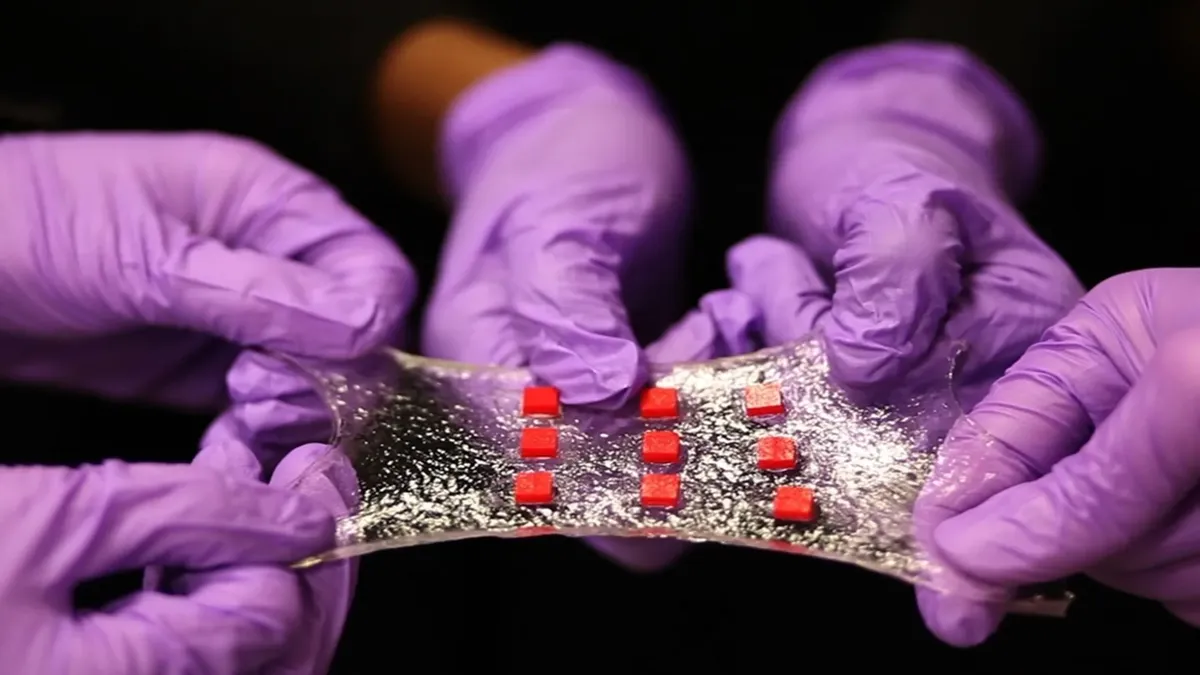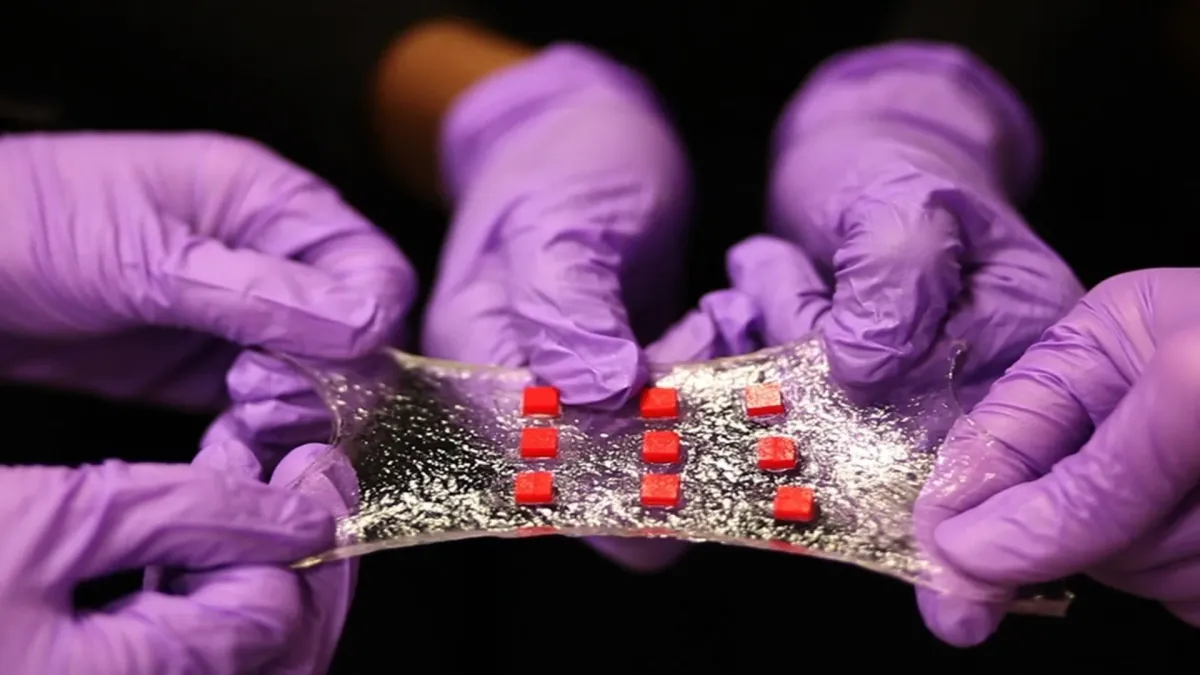
Imagine a world where your smartwatch never needs charging, powered instead by the humidity in the air. Now imagine that watch getting twisted, stretched, and bent thousands of times, and still humming along. That's the promise of a new, super-stretchy power generator cooked up by researchers in China.
Most wearable electronics have a dirty little secret: their power sources hate being moved. Bend them too much, and they break. The problem usually boils down to a flimsy connection between the hydrogel (the moisture-absorbing part) and the electrodes (the electricity-conducting part). It’s like trying to make two slippery things stick together permanently — eventually, they just give up, and your device goes dark.
The Secret Sauce: Glycerol and Liquid Metal
Hydrogel moisture-electric generators are already a thing. They’re soft, flexible, and can convert environmental moisture into a trickle of electricity. Perfect for powering those tiny health monitors or implantable devices without needing a massive battery. But keeping that power stable when the device is constantly flexing? That’s where things get tricky.
We're a new kind of news feed.
Regular news is designed to drain you. We're a non-profit built to restore you. Every story we publish is scored for impact, progress, and hope.
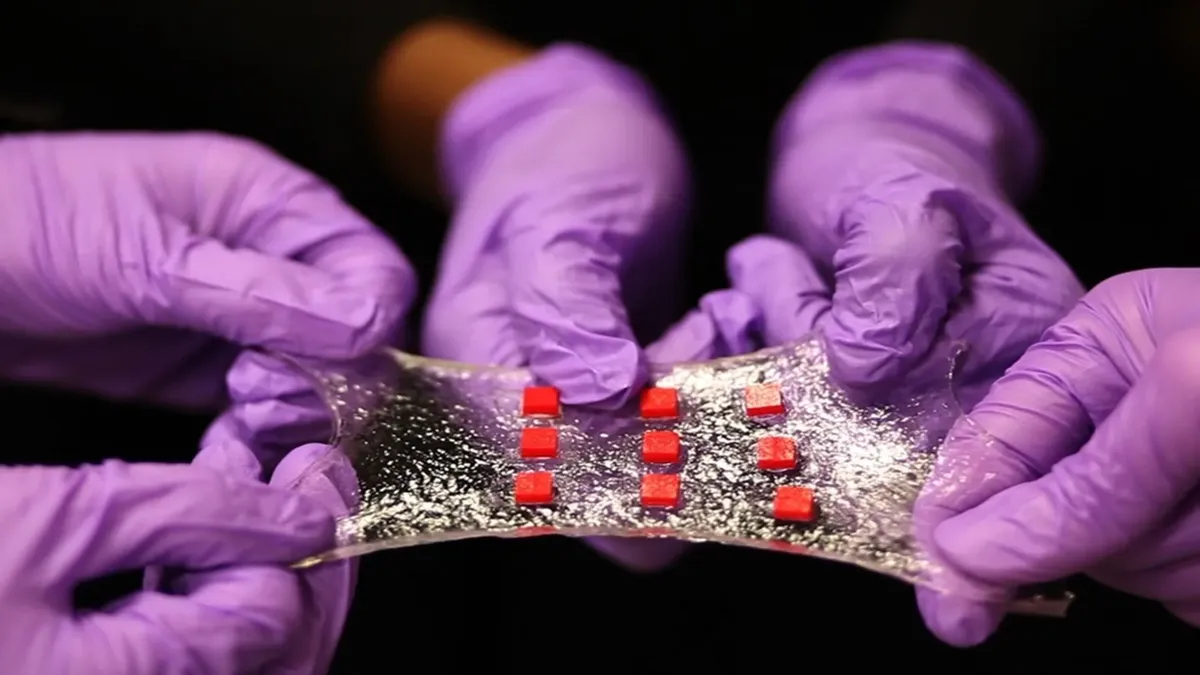
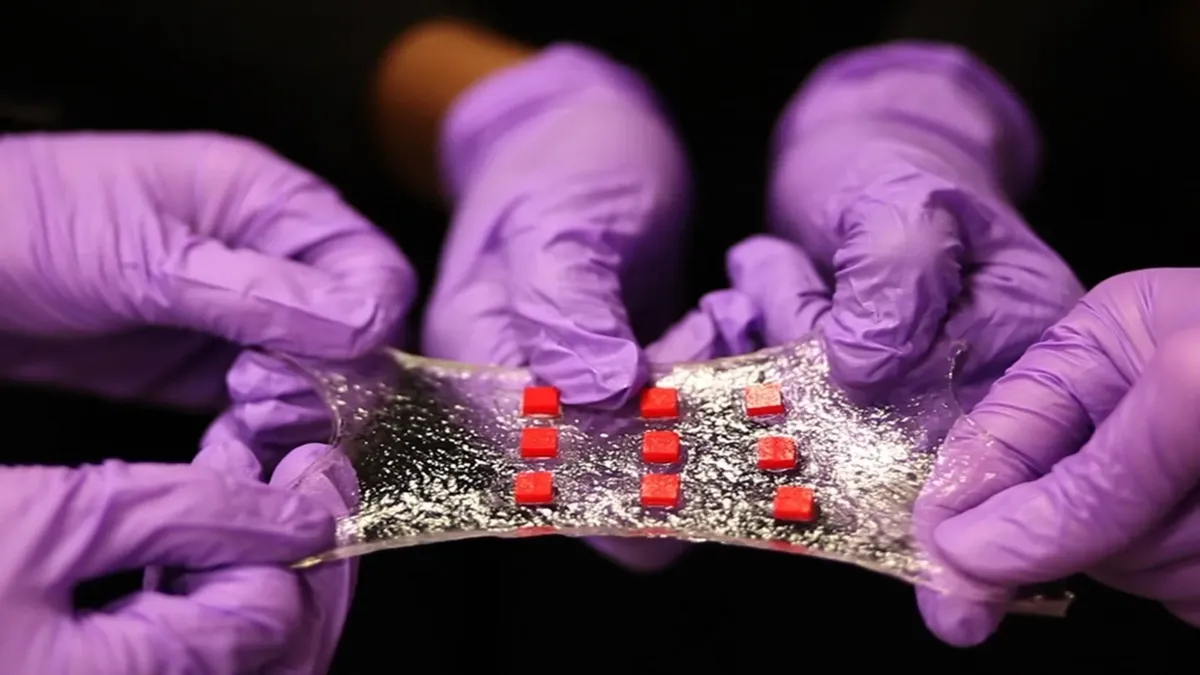
Start Your News DetoxThe team at Harbin Institute of Technology decided to tackle this sticky problem head-on. Their solution? A hydrogel so adhesive, it practically glues itself to the electrodes. They achieved this by soaking the hydrogel in a special water-glycerol mix, then added liquid metal and stretchable silver electrodes. Because apparently that’s where we are now.
Adding glycerol was the key. It exposed more hydrogen-bonding groups within the hydrogel, creating a multitude of tiny contact points. Think of it like adding microscopic Velcro hooks to everything. This not only improved the stickiness but also lowered resistance, allowing ions to zip through the device even when it was under serious strain.
As a bonus, the glycerol made the hydrogel tougher. It became more resistant to drying out, freezing, and swelling. Which means this little power-puller can keep working reliably in environments that would send other devices packing.
Built to Bend, Not Break
So, how did it perform? The device churned out over 0.94 volts and a current density of 141 microamps per square centimeter. And here’s the kicker: that electrical output remained rock-steady even after being bent a staggering 8,000 times at a full 180-degree angle. Its performance barely dropped. It also endured 1,040 stretching cycles without complaint. Let that satisfying number sink in.
This isn't just a lab curiosity. The researchers believe this tech could power everything from breathing monitors to self-powered health sensors, freeing them from the tyranny of charging cables. By finally solving the “sticky” problem of hydrogel-electrode connections, they’ve opened up a whole new avenue for creating soft, flexible electronics that can actually stand up to the rigors of real life. Which, if you think about it, is both impressive and slightly terrifying.