Spinal cord injuries are notoriously difficult to treat. The body, in its infinite wisdom, often decides to throw up a wall of scar tissue, effectively telling any hopeful nerve fibers, "Nope, not today." Meanwhile, the nerve cells themselves often struggle to get their act together and repair. It's a real biological bureaucratic nightmare.
But what if we could send in a tiny, magnetic SWAT team to kickstart the healing? That's the idea behind a new breakthrough from ETH Zurich in Switzerland: injectable nanorobots, each smaller than a red blood cell, loaded with stem cells, and ready to get those nerves talking again.
How to Build a Microscopic Medic
The Swiss researchers essentially built a microscopic turducken of healing. They took neural progenitor cells (NPCs), which are basically spinal cord stem cells, and wrapped them in custom nanoparticles. These nanoparticles are the real clever bit: one layer acts like a tiny compass, reacting to magnetic fields, while the other translates those magnetic whispers into electrical signals. Because apparently that's where we are now.
We're a new kind of news feed.
Regular news is designed to drain you. We're a non-profit built to restore you. Every story we publish is scored for impact, progress, and hope.
Start Your News DetoxSalvador Pané i Vidal, a roboticist on the team, described the process with a casualness that belies the complexity: "We place a reservoir in the center where we trap the cells. Then we inject the nanoparticles and wait for the two components to bind." Each little bot is about six micrometers wide, meaning you'd need millions for a single procedure. Good thing they're tiny.
Tiny Tech, Big Results
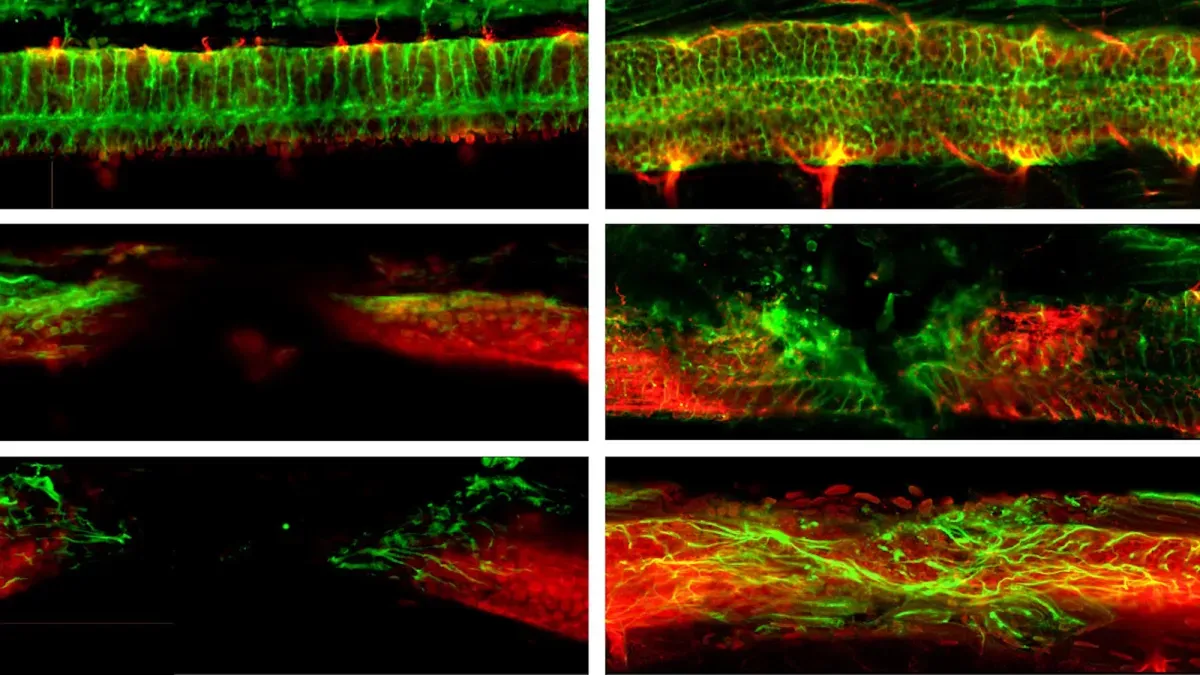
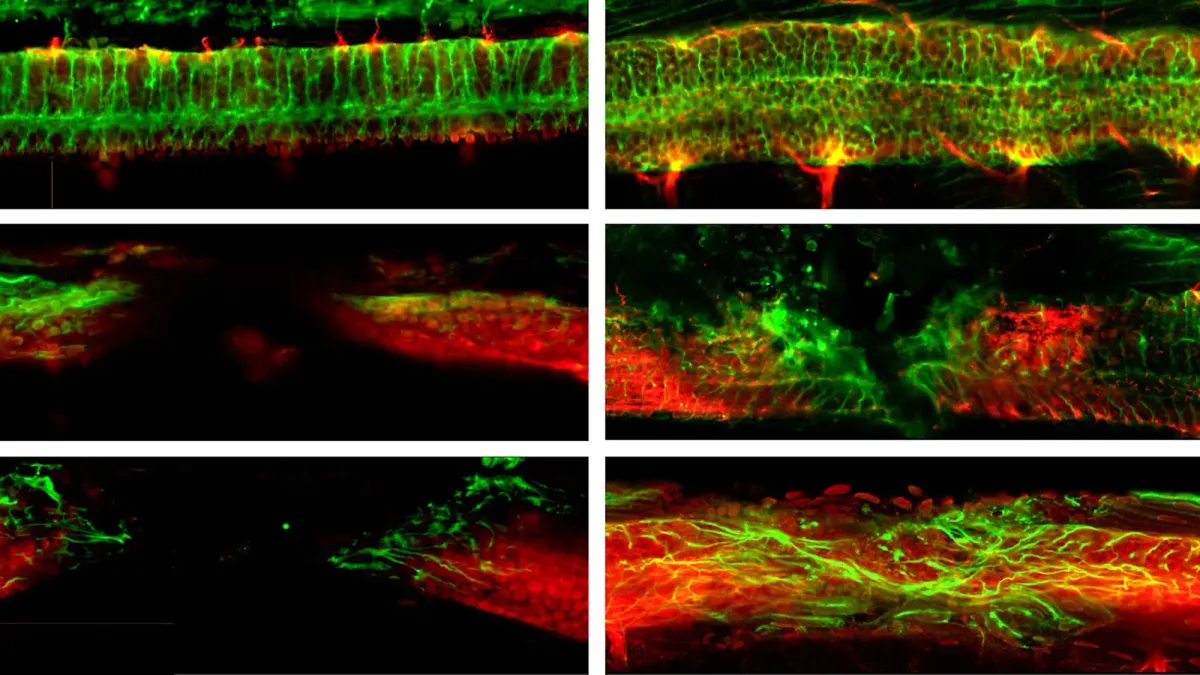
So, did these microscopic marvels actually work? In mice with severed spinal cords, the answer was a resounding yes. Within 28 days of the nanorobots stimulating the injury site, nerve cells started reconnecting. Let that satisfying number sink in.

By the end of the trial, the mice were showing significant improvements across the board. Better movement, walking, coordination, even their general exploratory behaviors got a boost. Essentially, they went from "uh-oh" to "let's explore this."
Of course, human trials are still a ways off. The team needs to fine-tune things like the perfect magnetic field strength and how long to apply it. But the potential here is massive. Not only for spinal injuries, but for other regenerative challenges in organs and wounds. Pané i Vidal noted their manufacturing method is reliable and scalable, which means this isn't just some lab curiosity. It's a platform that could truly change how we approach repair. Which, if you think about it, is both impressive and slightly terrifying in the best possible way.