Today, it seems the world decided to get proactive. From outsmarting viruses to outmaneuvering old problems, the recurring theme was simple: don't wait for a crisis; predict it, prevent it, or simply, do something different.
The Art of the Early Intervention
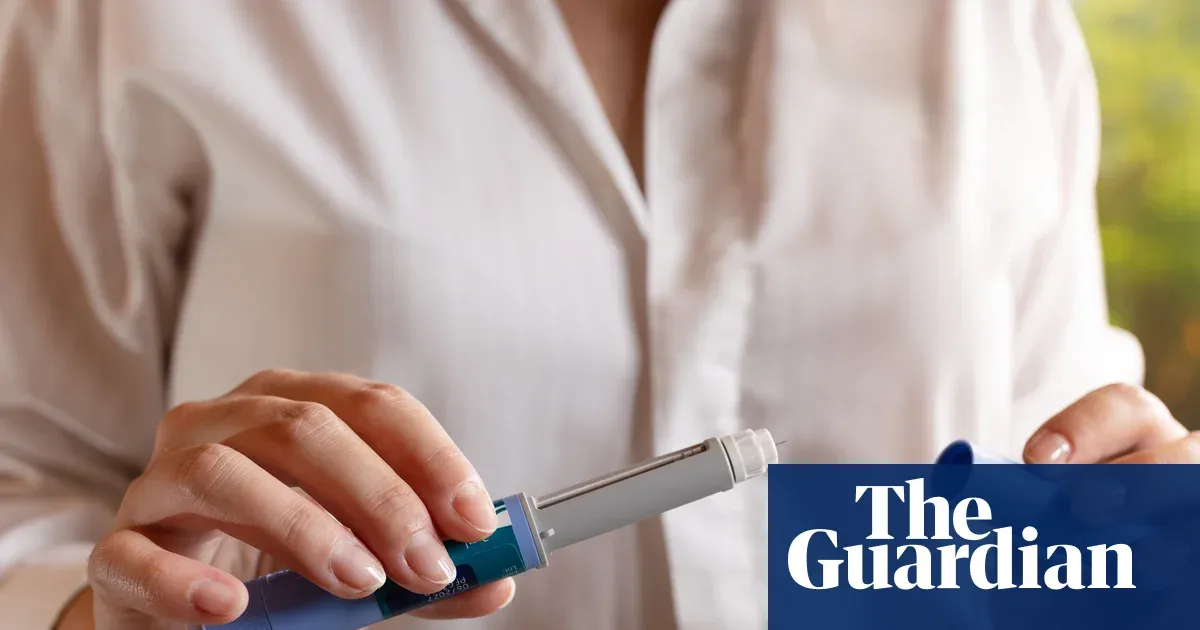
If there was a memo circulating today, it was about getting ahead of the curve. Consider the FDA's latest move, greenlighting a pill that could finally outsmart COVID-19 exposure. This isn't just another treatment; it's a post-exposure prophylaxis, essentially a get out of jail free card for those who’ve been exposed, cutting infection risk by nearly 70%. It’s a shift from reacting to preventing. 
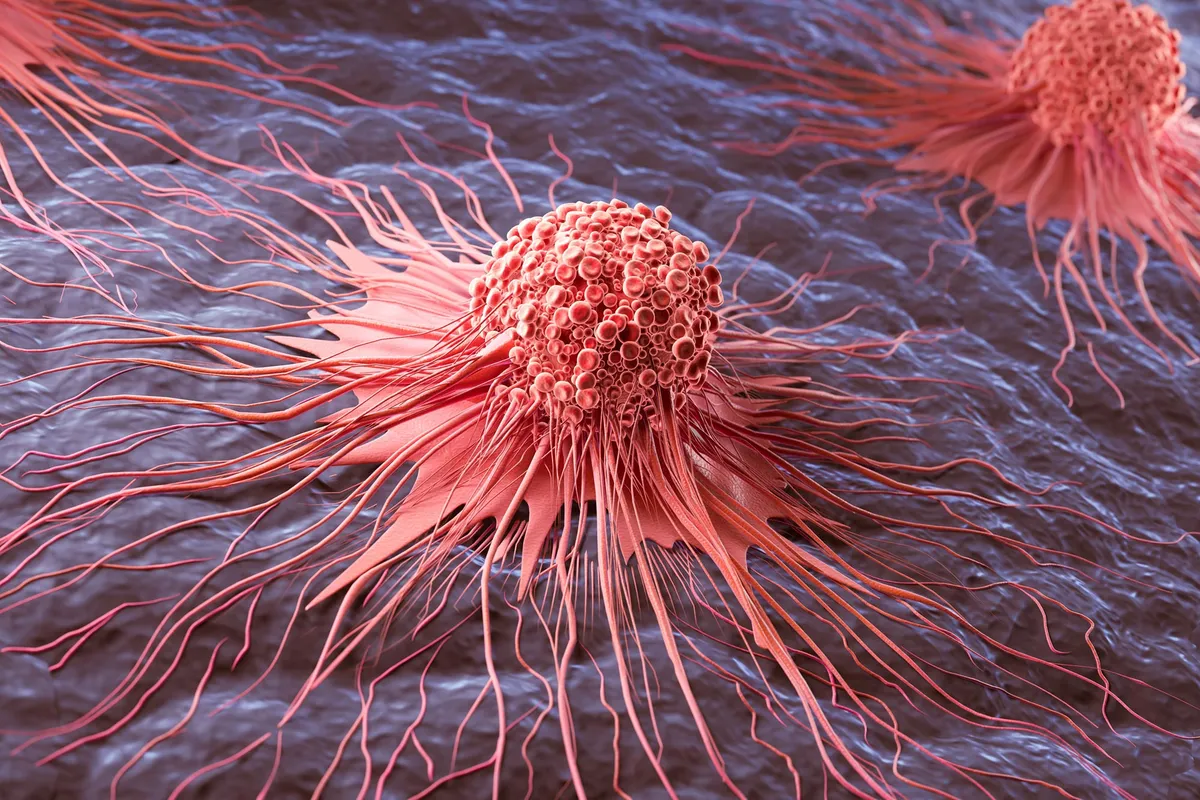
This same proactive spirit is echoed in the surprising news that weight-loss drugs might slash cancer risk by up to 30%. What started as a treatment for obesity is now showing promise as a preventative measure for one of the most feared diseases. And in a more somber but equally forward-thinking development, a CDC study suggests that Ebola outbreaks can be predicted by deforestation. Instead of waiting for the disease to spread, health authorities might soon be able to anticipate its emergence by tracking environmental shifts. If you've felt like healthcare is always playing catch-up, today's news suggests a strategic pivot towards foresight.
We're a new kind of news feed.
Regular news is designed to drain you. We're a non-profit built to restore you. Every story we publish is scored for impact, progress, and hope.
Start Your News Detox"The 2026 Bundibugyo Ebola outbreak in Central and East Africa has already left at least 49 people dead, with health authorities racing to stop the spread of the disease. What if they could have known ahead of time where it would begin?" — Read the full story
Reinvention, From Wildcats to World Leaders
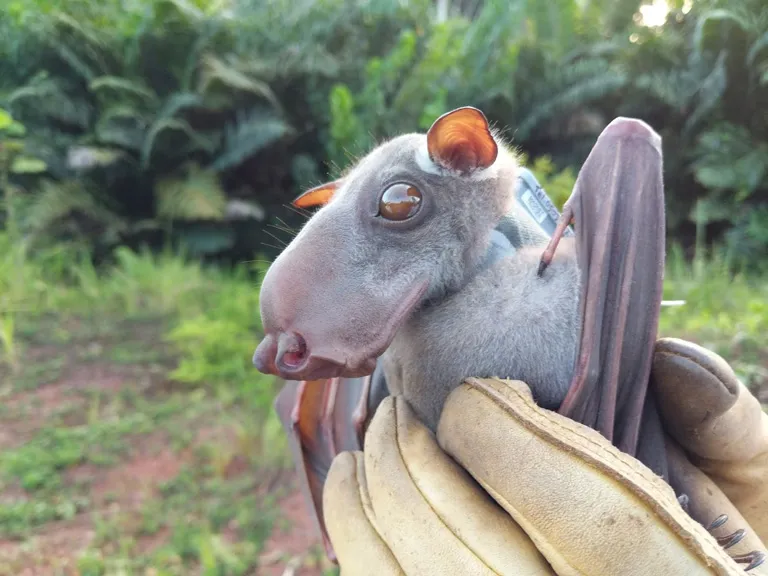
Sometimes, the best way forward is to simply do things differently, or even, to let nature do its thing. Case in point: the European wildcat is making a quiet comeback. After years of decline, conservation efforts are showing results, proving that sometimes, simply giving nature a chance is the most effective strategy. This isn't just about one species; it's a testament to what happens when we step back and support natural processes. 
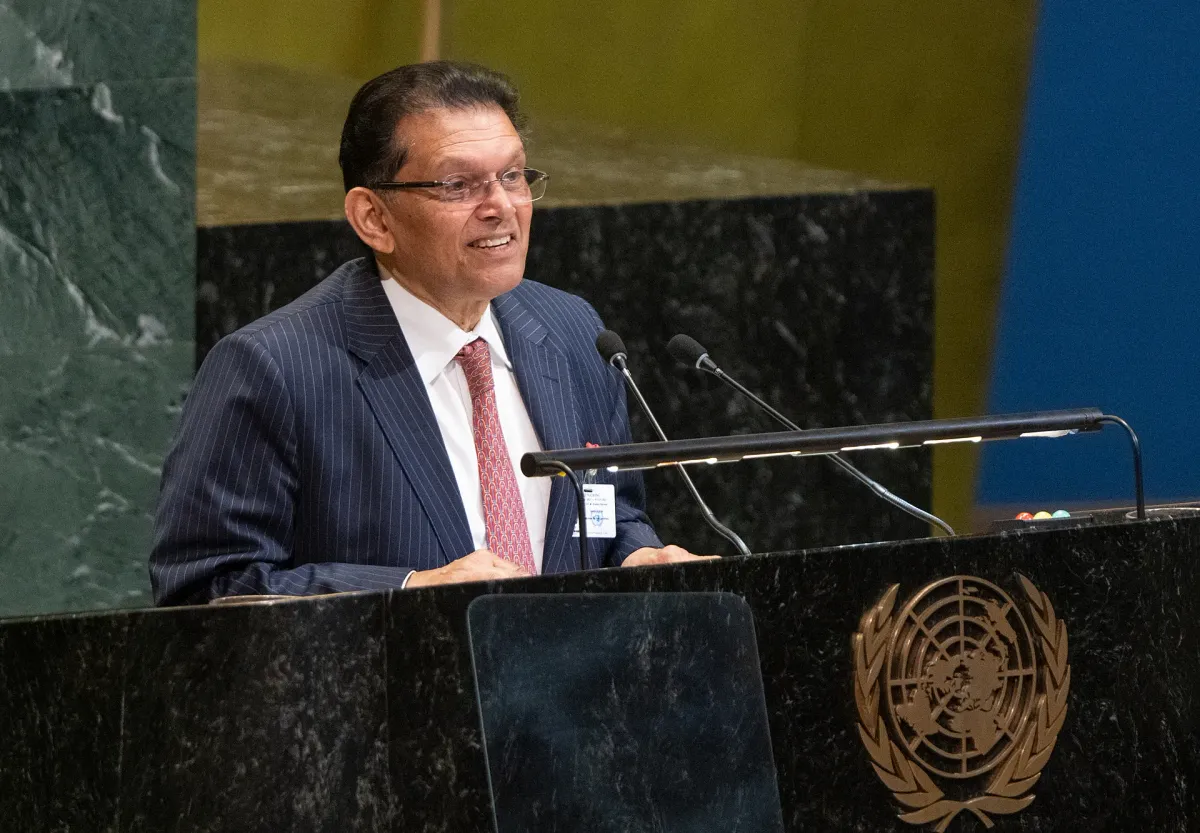
Meanwhile, in the human realm, reinvention took center stage in Camden, New Jersey, which just celebrated its first murder-free summer in 50 years. This wasn't achieved by doubling down on old tactics, but by a radical rethink of policing, driven by community and activist groups. And on the global stage, Bangladesh’s top diplomat, Khalilur Rahman, just won the UN's top job in a nail-biter, signaling a potential shift in international leadership. These stories remind us that change isn't always about new inventions; sometimes it's about reimagining existing structures and giving new voices a platform.
The Power of the Collective Push
Finally, today brought a powerful demonstration of collective action. Remember how everyone's always talking about phasing out fossil fuels? Well, 57 nations just teamed up to actually do it. Describing themselves as a “coalition of the willing,” these countries, mostly from the Global South, convened in Colombia to plot their Transition Away From Fossil Fuels (TAFF). This isn't just talk; it's a concrete roadmap. If you've been feeling like big, intractable problems are too much for any one country to handle, today’s news offers a refreshing counterpoint.
Hope stat: 57 — the number of nations now actively collaborating to phase out fossil fuels.
Watch this space: The impact of these newly formed international alliances on global energy policy will be a key development.