A new study suggests we might be able to see the next Ebola outbreak coming. Not with a crystal ball, but with satellite images showing chopped-up forests. Because apparently, that's where we are now.
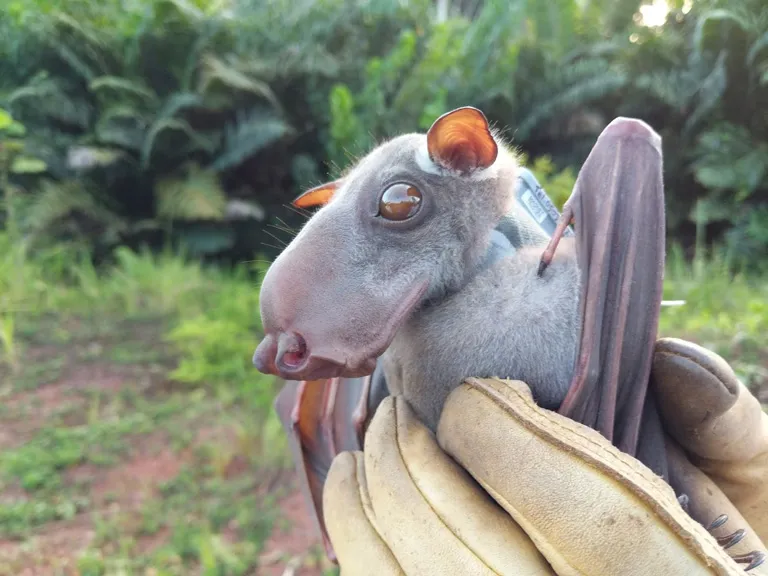
It sounds like something out of a sci-fi thriller, but researchers at the U.S. Centers for Disease Control (CDC), led by Carson Telford, have been connecting some rather grim dots. They wanted to know if they could predict where Ebola might jump from animals to humans next, effectively giving health authorities a head start.

The Forest for the (Infected) Trees
Their method involved poring over 24 Ebola outbreaks that occurred between 2001 and 2022. They fed a model all sorts of data: population density, and crucially, how much forest cover there was. The results? A rather stark link between outbreaks and areas experiencing significant forest loss and fragmented woodlands.
We're a new kind of news feed.
Regular news is designed to drain you. We're a non-profit built to restore you. Every story we publish is scored for impact, progress, and hope.
Start Your News DetoxAnd this wasn't just a theoretical exercise. The model's accuracy was, frankly, a bit unsettling. It pinpointed a specific town in the Democratic Republic of Congo as a top risk area, mere months before an actual outbreak erupted there in 2022. Then, another outbreak popped up in a district in Uganda that the model had flagged as high-risk for that country. Let that sink in.
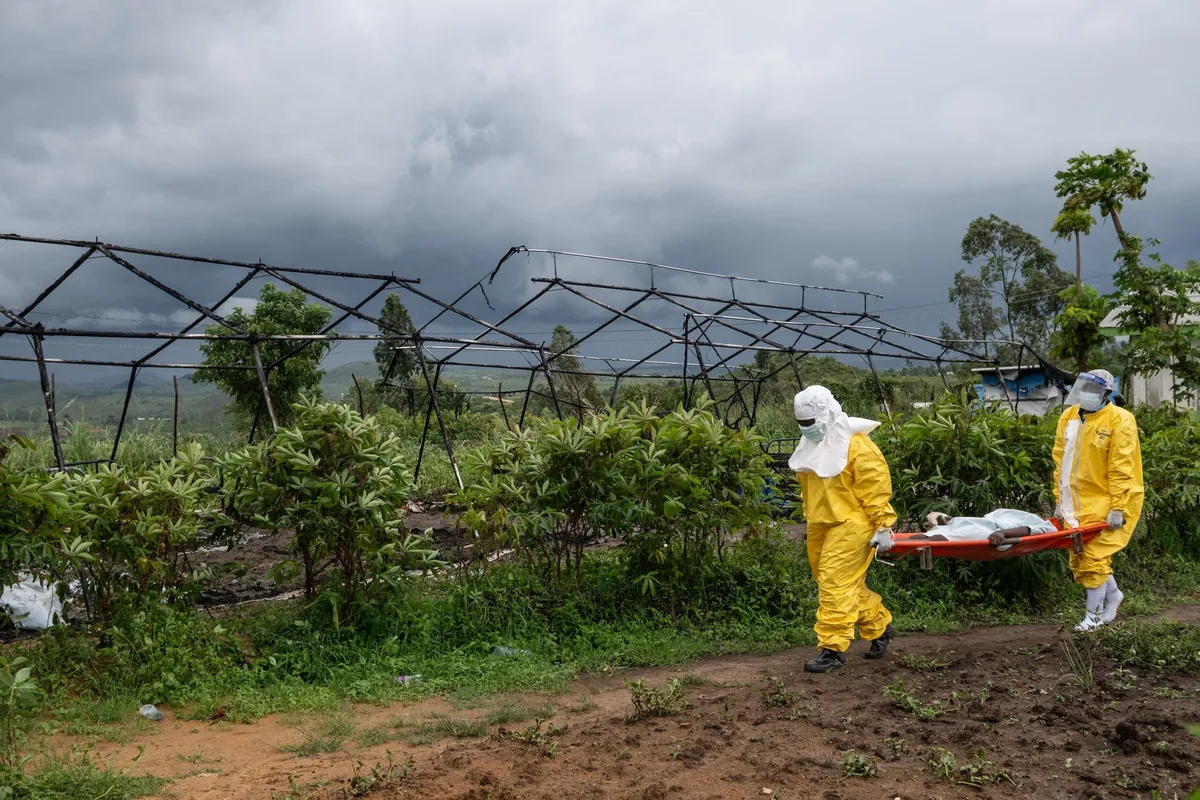
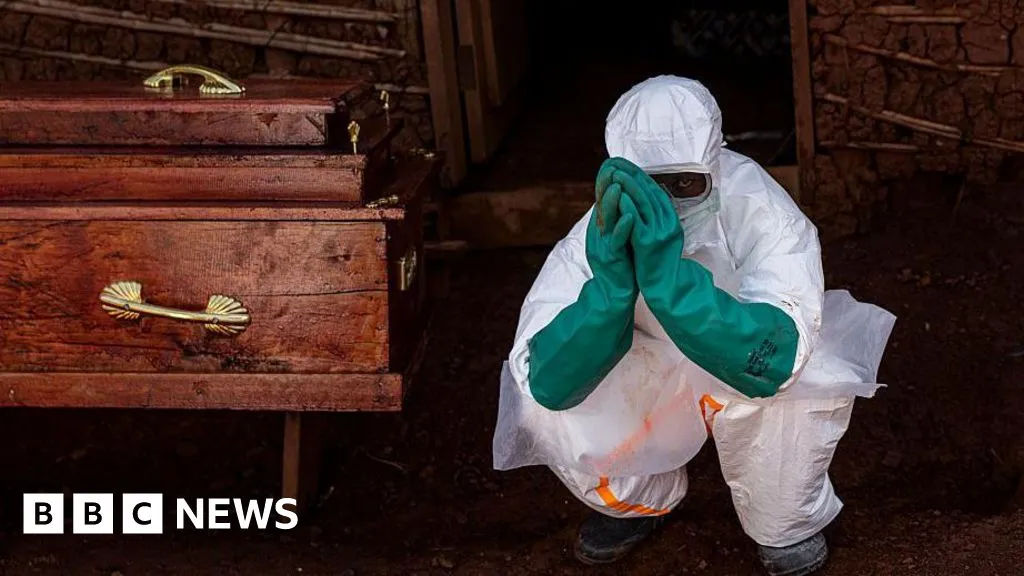
So, while the 2026 Bundibugyo Ebola outbreak in Central and East Africa tragically claimed at least 49 lives, this research offers a glimmer of hope. Understanding this deforestation-outbreak connection could mean stopping the next one before it ever truly begins. Which, if you think about it, is both impressive and slightly terrifying.