San Diego, a city highly dependent on the Colorado River, now has extra water to sell. This is happening even as California plans to take less water from the drought-affected river.
San Diego usually gets only about eight inches of rain each year. Not long ago, the city faced severe water shortages. It is located far from the Colorado River, at the very end of its water supply line.
How San Diego Created a Water Surplus
Today, San Diego has a water surplus. This is due to strong water recycling efforts, urban and agricultural conservation programs, and a major investment in saltwater desalination. Other nearby cities and states are interested in buying this extra water.
We're a new kind of news feed.
Regular news is designed to drain you. We're a non-profit built to restore you. Every story we publish is scored for impact, progress, and hope.
Start Your News DetoxMeena Westford, director of imported water at the San Diego County Water Authority, explained the situation. She said San Diego aims to show a new way to manage the water system.
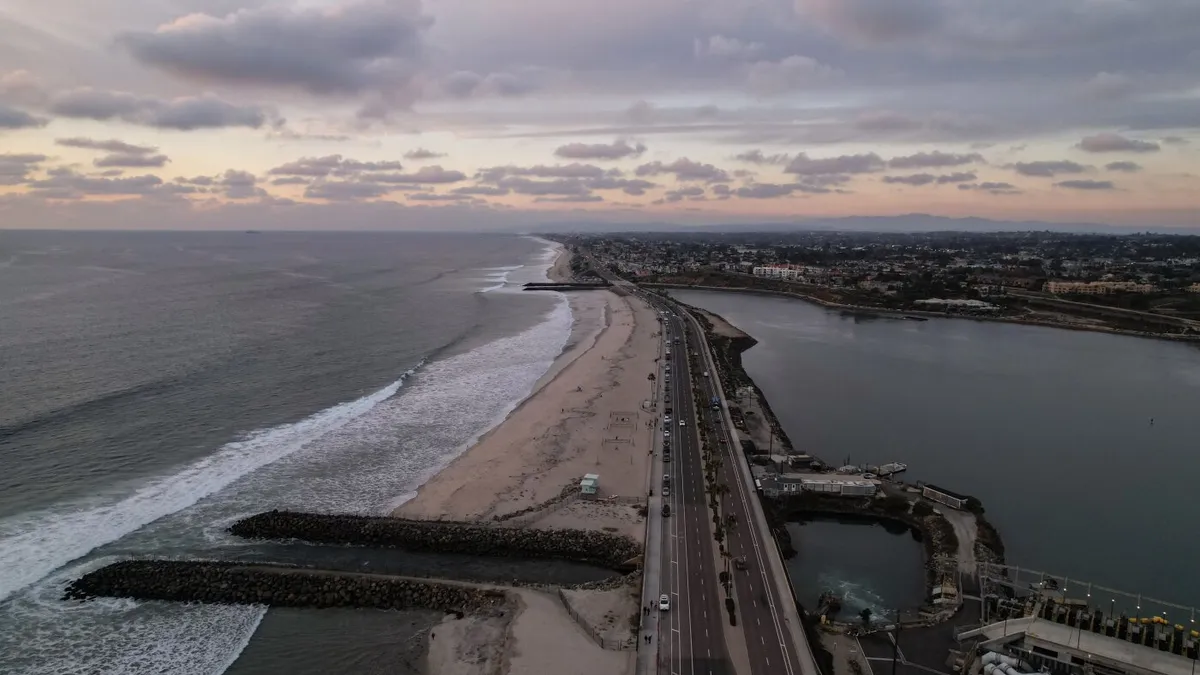
At Carlsbad State Beach, the Claude "Bud" Lewis Carlsbad Desalination Plant processes about 100 million gallons of seawater daily. It turns about 50 million gallons into drinking water. This plant, which started in late 2015, provides 7-10% of the region's water. Despite the ongoing drought in the West, San Diego currently does not need all of this water locally.
Westford noted that San Diego is the only agency adding new water to the system. This is not just trading existing Colorado River water. Instead, it's about introducing new water supplies.
The plan is not to build pipelines to Arizona or truck water to Las Vegas. Westford described it as a "paper transfer." If approved by the Department of the Interior, San Diego would exchange its Colorado River water stored in Lake Mead for desalinated water. This means San Diego would use more desalinated water and leave its Colorado River supplies for others.
Concerns About Desalination
Desalinated water is very expensive and requires a lot of energy to produce. Water from the San Diego plant costs five to ten times more than river water. Environmentalists like Patrick McDonough, a senior attorney with San Diego Coastkeeper, caution that desalination plants are not a complete solution for the Colorado River crisis.
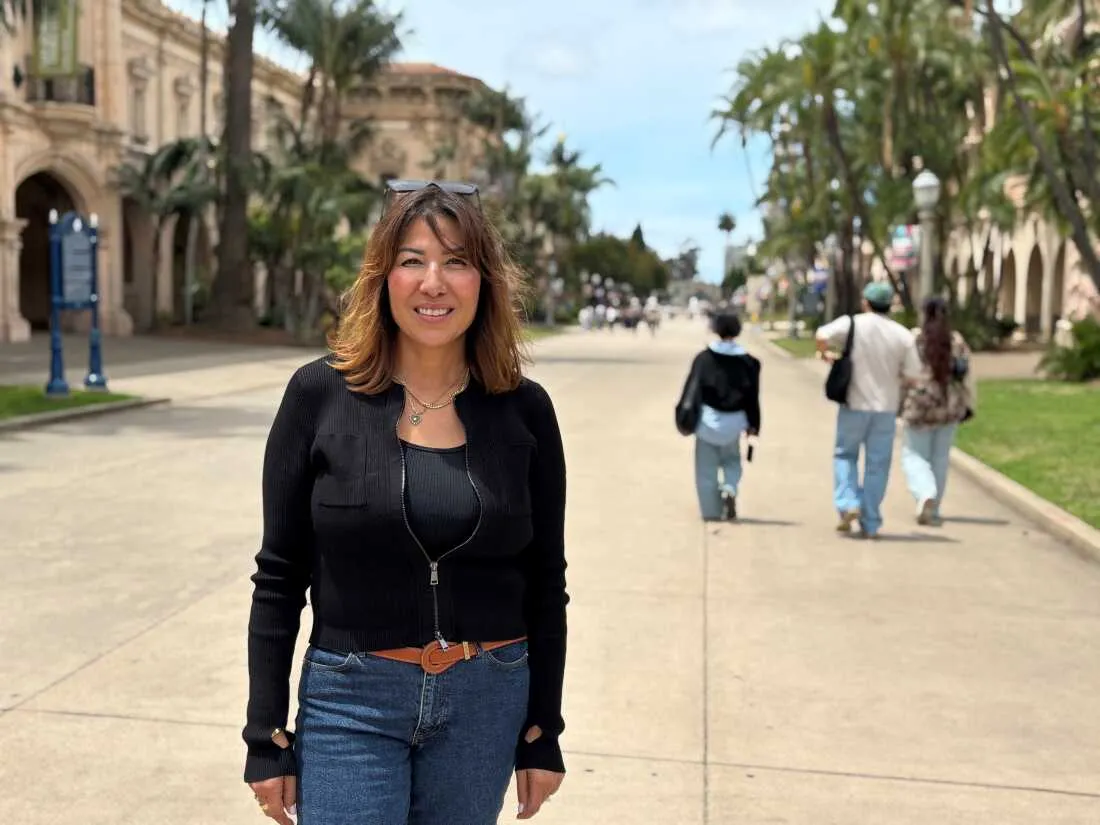
McDonough stated that the water produced by the Carlsbad plant is a small amount compared to the overall Colorado River basin issues. He believes that aggressive conservation by farms and urban water recycling will be more effective in preventing water shortages. He also noted that the plant has increased local water bills, even with the city's conservation efforts.
However, McDonough added that since the plant exists, selling the excess water to others willing to pay for it makes sense.
Regional Cooperation for Water Solutions
Other regions are willing to pay for water, given the severe drought in the Southwest. John Entsminger, general manager of the Southern Nevada Water Authority, said Las Vegas doesn't need the water this year. However, he is willing to invest in projects that keep water in Lake Mead for the benefit of the entire system.
Lake Mead and Lake Powell, the two largest reservoirs on the Colorado River, are at very low levels. This threatens their ability to produce hydropower. Federal forecasts suggest water levels could drop so low at the Hoover Dam that turbines would stop working, a situation known as "deadpool." The Rocky Mountains recently experienced their hottest and driest winter on record.
Entsminger sees this as good news, despite other challenges. He highlighted the regional cooperation happening to solve the water problem. Southern Nevada, the Central Arizona Project, and other agencies have signed an agreement to explore buying San Diego's water. They hope this first-of-its-kind interstate transfer will become part of the new rules for the Colorado River, which are expected to be finalized by the end of the year.