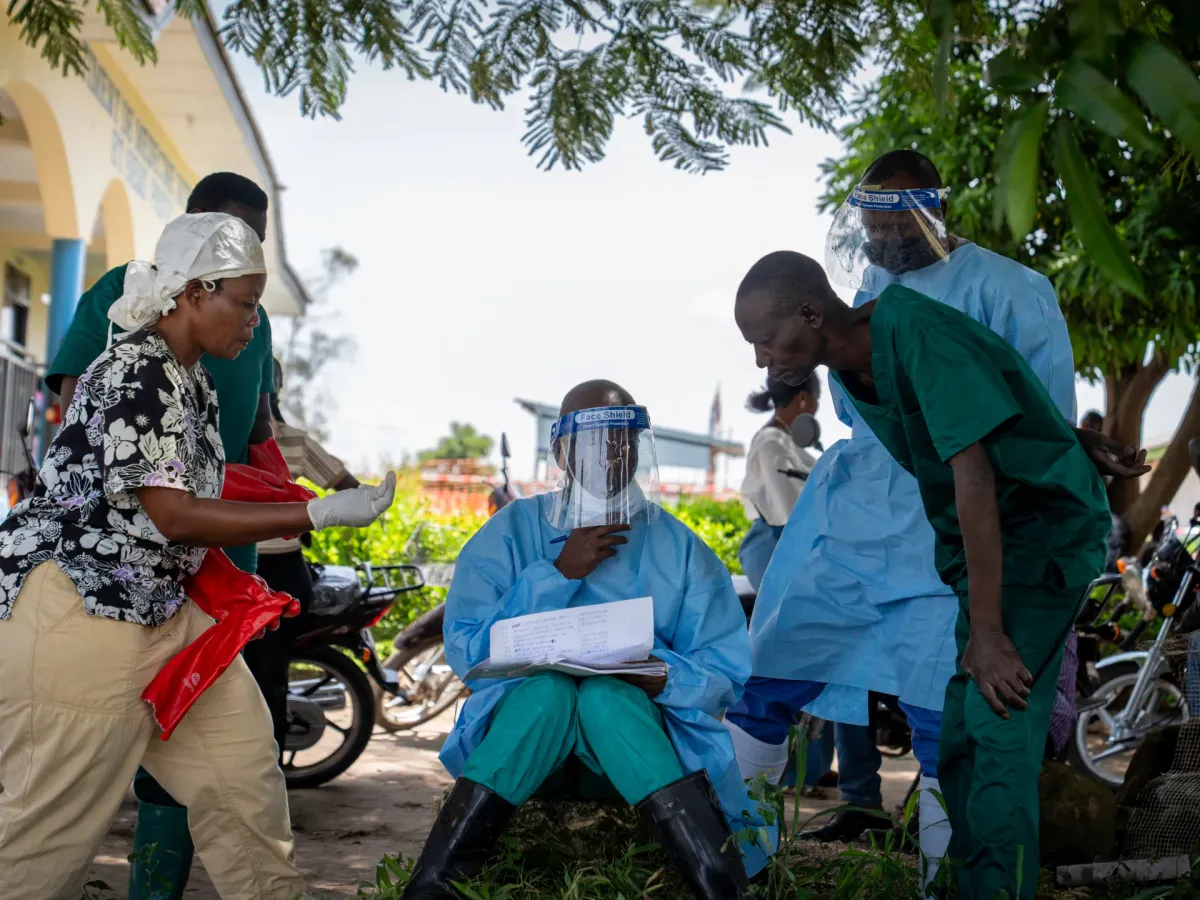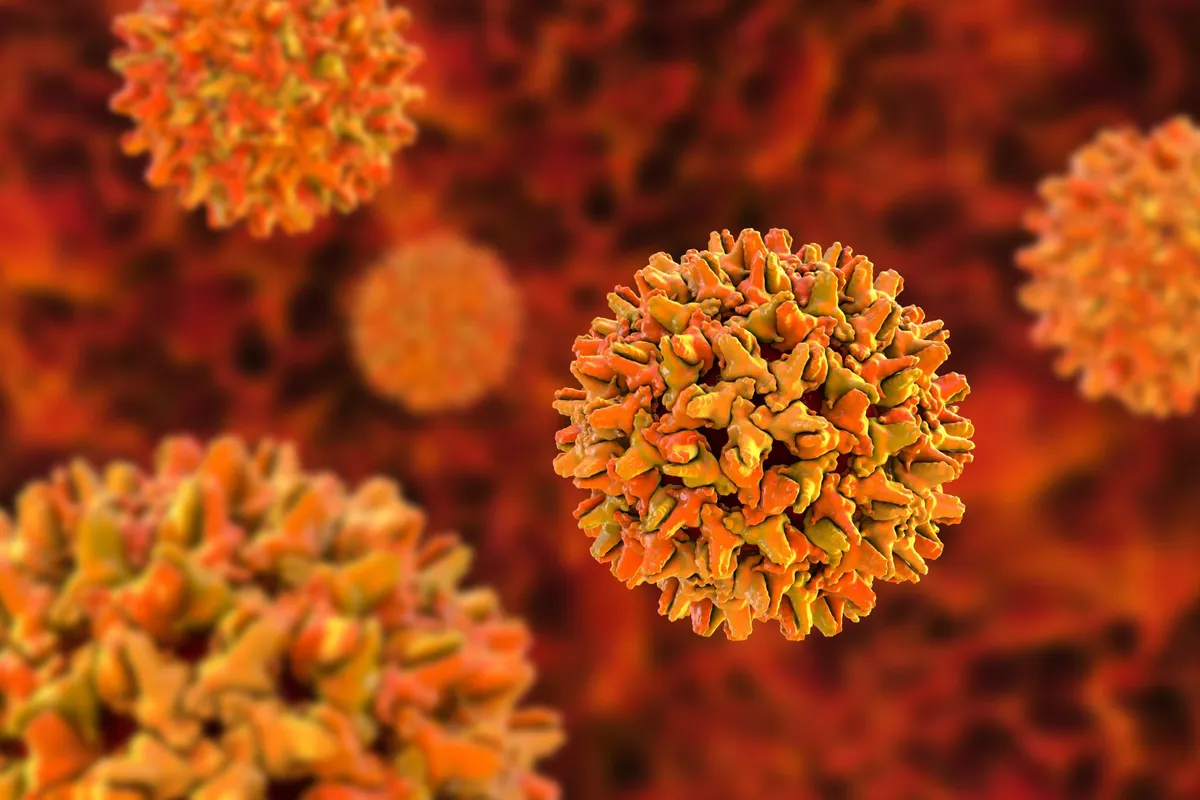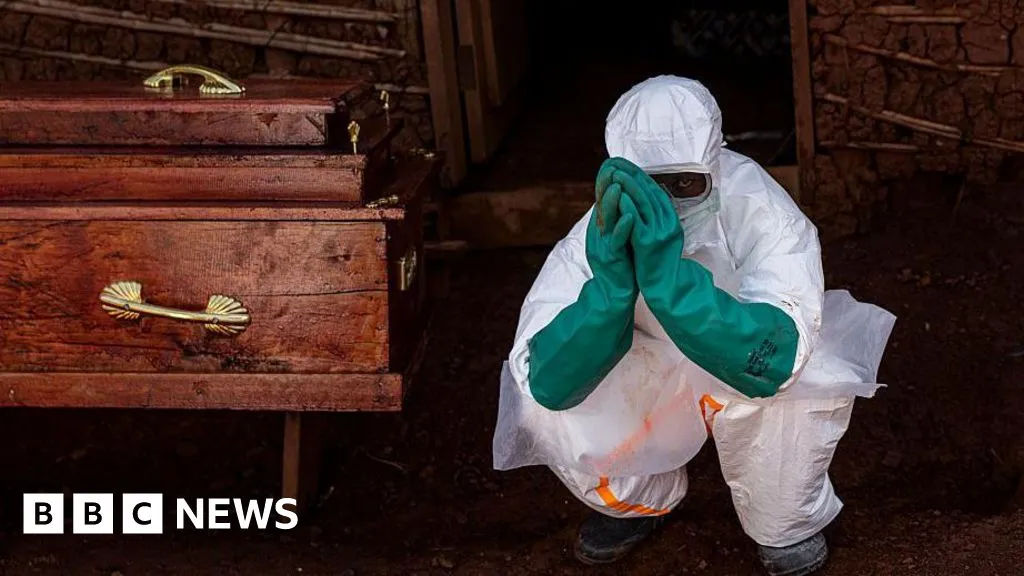
The world is currently grappling with a less-famous, more-elusive strain of Ebola, and it's making some very smart people quite nervous. This particular species, Bundibugyo, has already claimed nearly 250 lives, primarily in the Democratic Republic of Congo (DRC), and is now popping up in neighboring Uganda.
Experts are ringing alarm bells, comparing the current situation to the devastating 2014-16 West Africa outbreak that infected 29,000 and killed over 11,000. Why the panic? This outbreak was discovered late, giving the virus a head start in a conflict zone where healthcare is, shall we say, a bit thin on the ground. Médecins Sans Frontières (MSF) called the situation "deeply alarming," noting they haven't seen cases multiply this fast before.
The Race Against Bundibugyo
Unlike its more common Zaire cousin, which does have an approved vaccine, Bundibugyo has no licensed shot. It's only been seen twice before, which just adds to its mystique and danger. But now, three major players are in a full-blown sprint to develop a defense.
We're a new kind of news feed.
Regular news is designed to drain you. We're a non-profit built to restore you. Every story we publish is scored for impact, progress, and hope.
Start Your News DetoxFirst up, the International Aids Vaccine Initiative (IAVI) is essentially giving the existing Zaire Ebola vaccine a Bundibugyo makeover. Early tests in monkeys showed this experimental shot gave nearly 100% protection, essentially teaching the immune system to recognize the virus's specific "face" (a protein called glycoprotein). IAVI head Dr. Mark Feinberg is "optimistic" and trying to fast-track clinical trials, which normally take seven to nine months.
Then there's Moderna, the mRNA wizard behind some of the quickest COVID-19 vaccines. They're deploying their rapid-response tech to create a Bundibugyo vaccine, with CEO Stéphane Bancel promising to "move with urgency." Because apparently that's where we are now: applying pandemic-era speed to an even scarier virus.
Not to be outdone, the University of Oxford, another COVID-19 vaccine powerhouse, is also leveraging its own tech. Their Ebola vaccine could be ready for clinical trials in a brisk two to three months. The Coalition for Epidemic Preparedness Innovations (CEPI) is funding these efforts, stating the obvious truth that "every day counts."
Each of these vaccines aims to teach your body to recognize the Bundibugyo glycoprotein, like showing your immune system a mugshot before the bad guy arrives. IAVI uses a harmless virus to deliver the glycoprotein, while Moderna and Oxford use genetic code to tell your body to make the glycoprotein itself. Either way, your immune system gets a head start.
The head of the World Health Organization, Dr. Tedros Adhanom Ghebreyesus, noted that a Bundibugyo vaccine "could help to control this epidemic and strengthen preparedness for future outbreaks." Which, if you think about it, is both impressive and slightly terrifying – a testament to human ingenuity and the sheer stubbornness of viruses.